01
Standard bending jobs need better repeatability
CNC control of the back gauge and bending steps supports repeated dimensions and reduces positioning errors caused by fully manual measurement.
Product Directory
Rectangular Duct Seam Closing Machine
Sheet Metal Notching Machine
Auto Duct Production Line
Round Duct Elbow Making Machine
Duct Beading Machine
Angle Iron Flange Rolling Machine
Spiral Duct Production Line
Language
Cost-effective CNC bending solution for standard sheet metal fabrication.
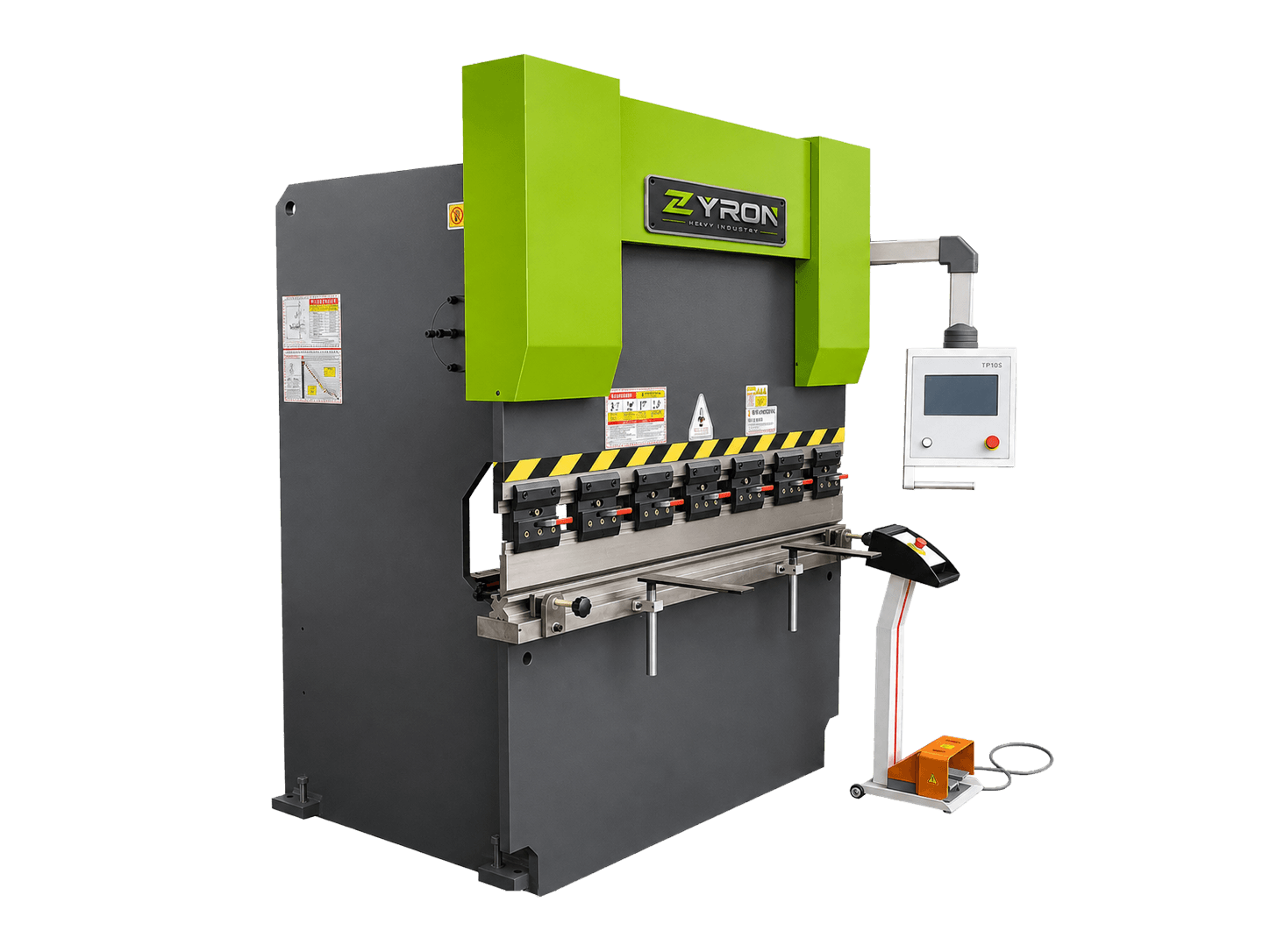
A torsion bar CNC press brake designed for regular sheet metal bending, workshop production and standard metal fabrication. It combines hydraulic bending force, torsion bar synchronization and practical CNC control to help customers achieve repeatable bending with a more economical machine configuration.
Production Challenges
Start with repeatability, control, workpiece complexity and investment level before selecting the bending platform.
01
CNC control of the back gauge and bending steps supports repeated dimensions and reduces positioning errors caused by fully manual measurement.
02
For regular sheet-metal parts, small or medium batches and budget-sensitive projects, torsion-bar CNC control offers a more economical bending platform.
03
When a workshop needs more stable angles, longer workpieces and a higher production rhythm, a torsion-bar CNC press brake is a practical upgrade.
04
The machine suits sheet-metal factories, cabinet producers, duct workshops, repair fabricators and general metalworking production.
05
Tonnage and configuration can be selected around material, thickness, bending length, tooling, back-gauge requirements and part complexity.
Solution Positioning
Three common production contexts show where torsion-bar synchronization and practical CNC control create value.
Real Workshop Context
Real industrial scenes show the workshops and fabricated products where CNC press-brake bending can form part of the production flow.

Supports repeatable bending of brackets, panels, covers and standard fabricated parts in small and medium batches.
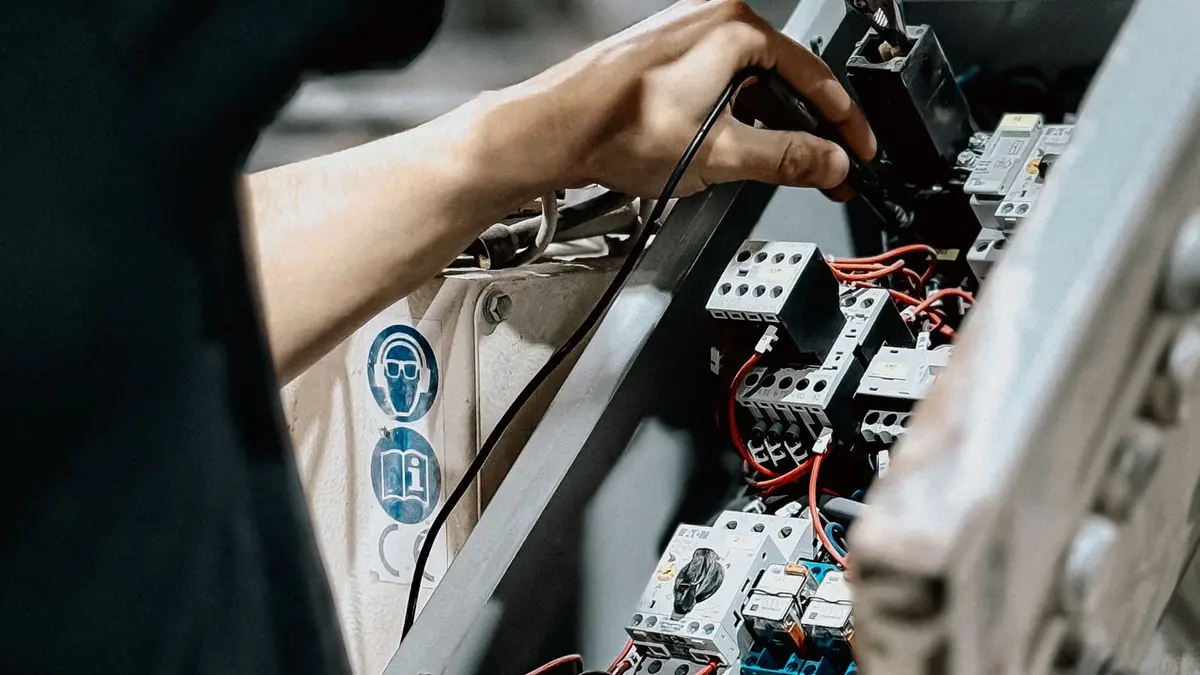
Fits cabinet panels, doors, housings, mounting plates, brackets and reinforcement parts with recurring bend dimensions.
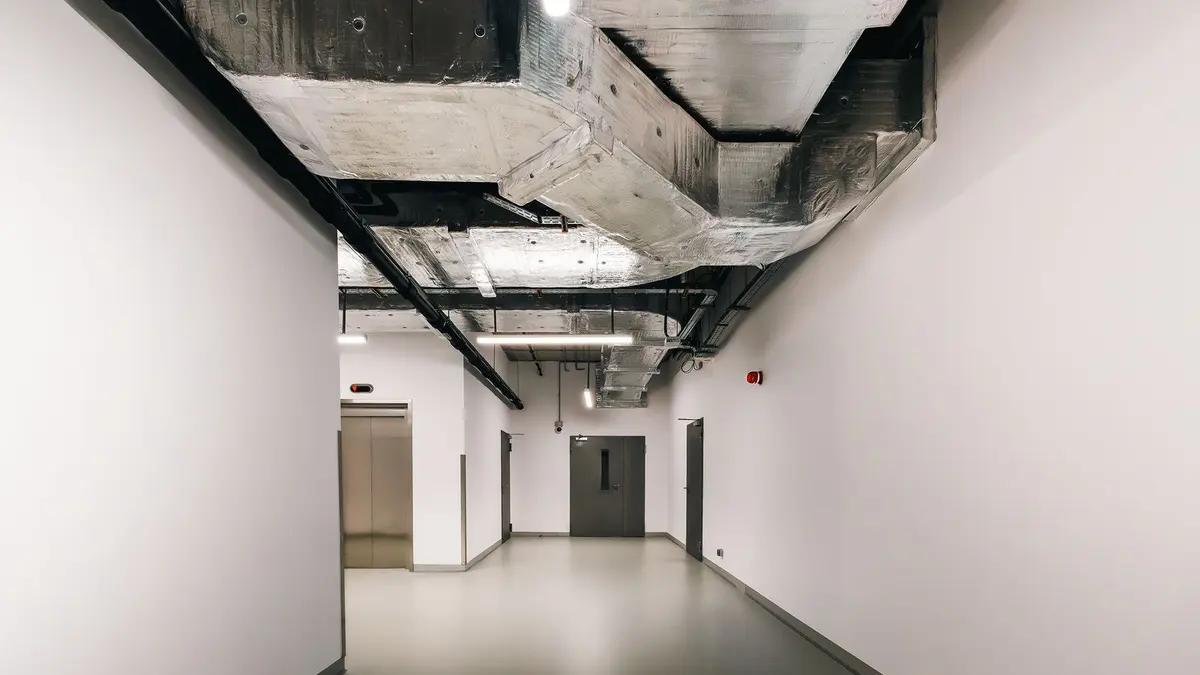
Suitable for duct panels, transitions, flanges and ventilation components that require controlled back-gauge positioning.
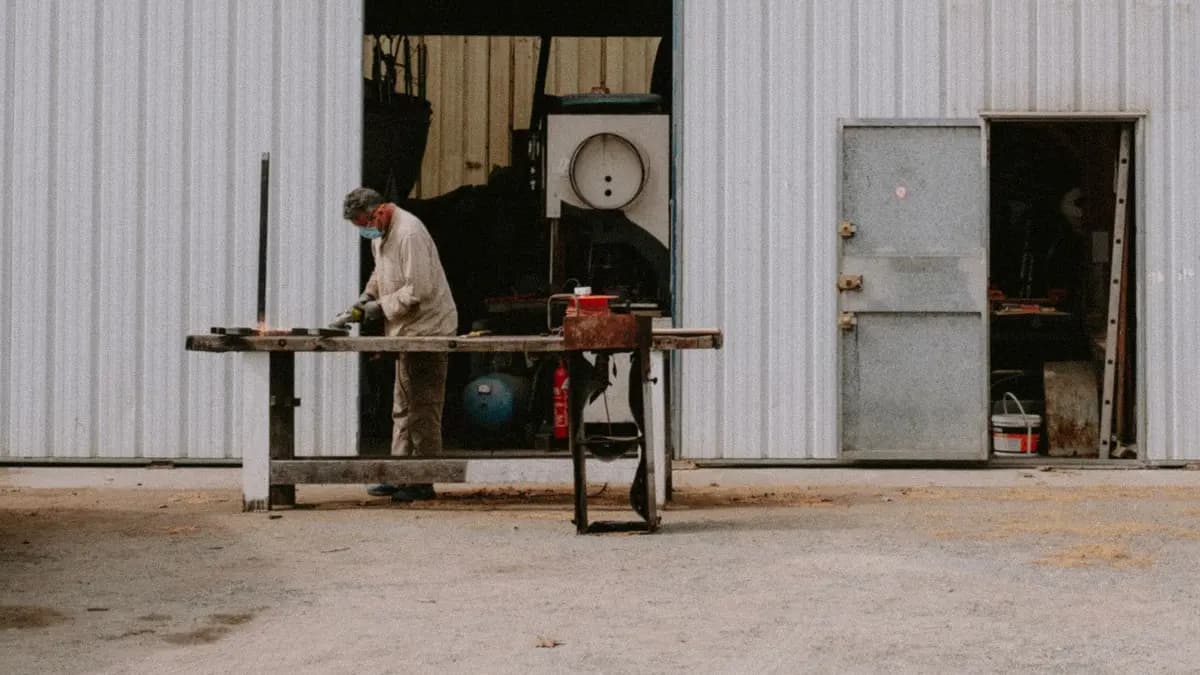
Handles suitable stainless panels and products when tonnage, bending length and tooling match the material requirement.

Useful for guards, supports, frames, covers and standard machinery components that need programmed bending steps.

Provides hydraulic bending force for suitable gussets, covers, brackets and secondary structural components.

Supports frames, cover plates, brackets and formed metal parts used in door, window and architectural fabrication.

A practical CNC bending platform for repair shops and general workshops producing varied standard parts.
Bending Materials
The suitable bending thickness depends on material strength, bending length, V-die opening, bending angle and machine tonnage. Please confirm your material and bending requirement before quotation.
Bending Process
A practical six-step view from prepared sheet to a checked component ready for downstream manufacturing.
Cut the sheet to the required size by shearing machine, laser cutting machine or other cutting equipment.
Select suitable punch and die according to material, thickness and bending angle.
Use the CNC or NC back gauge to position the sheet for repeated bending sizes.
The hydraulic system drives the ram to bend the sheet between upper and lower tooling.
Check the bending angle and adjust stroke, tooling or compensation when needed.
Continue with welding, riveting, assembly, surface treatment or final product manufacturing.
Mechanical Synchronization
The torsion bar structure mechanically links both sides of the ram to support synchronized movement during standard sheet-metal bending. It is a mature, economical platform for regular workshop production.
Controller Positioning
CNC control supports repeated bending jobs and standard sheet-metal production while keeping operation and configuration practical for small and medium workshops.
Practical Machine Value
Cost-effective CNC bending solution
Torsion-bar synchronization for standard bending tasks
Hydraulic system for stable bending force
CNC or NC back gauge for repeated positioning
Whole welded steel frame for workshop use
Practical for small and medium batch production
Easier maintenance than more complex servo-hydraulic systems
Works with shearing, laser cutting, rolling and welding processes
Verified or configuration-dependent structure
Whole welded steel frame · Hydraulic cylinders · Torsion-bar synchronization system · CNC controller · Back-gauge system · Upper punch and lower die · Front support arms · Foot-pedal control · Electrical cabinet · Optional crowning configuration
Objective Selection
Each machine type serves a different production need. Compare synchronization, control, part complexity and investment before selecting the platform.
| Comparison Item | Torsion Bar CNC Press Brake | Electro-hydraulic CNC Press Brake | NC Press Brake |
|---|---|---|---|
| Synchronization method | Mechanical torsion-bar synchronization links both sides of the ram. | Closed-loop synchronization uses proportional servo valves and position feedback on Y1/Y2. | Commonly uses a mature mechanical synchronization structure for basic bending. |
| Control system | Practical CNC control for back gauge, stroke and programmed steps depending on configuration. | Advanced CNC control for synchronized cylinders, multiple axes and broader programming. | Basic NC control focused on regular positioning and stroke settings. |
| Axis configuration | Common X/Y-related control with optional R-axis capability where selected. | Y1/Y2, X, R and optional Z axes depending on the final machine. | Usually limited to the axes needed for basic positioning and stroke control. |
| Suitable production type | Standard sheet-metal parts and small or medium batch production. | Precision batches, frequent changeovers and complex production. | Basic parts, routine workshop work and smaller batches. |
| Bending complexity | Conventional and standard multi-step bending within the selected configuration. | Complex workpieces, multi-axis positioning and higher control requirements. | Simple and regular bending sequences. |
| Cost level | Economical CNC platform between basic NC and servo CNC machines. | Higher investment for accuracy, axes, feedback and automation. | Lowest entry level for basic numerical-control bending. |
| Maintenance difficulty | Mechanical synchronization is generally simpler to maintain than closed-loop servo systems. | More complex hydraulic, electrical and feedback systems require specialist support. | Relatively straightforward for routine workshop service. |
| Recommended use | Workshops needing practical CNC control and repeatable standard bending at a controlled investment. | Factories prioritizing precision, complex parts, automation and frequent order changes. | Budget-conscious workshops handling simple and conventional bending tasks. |
Connected Production
The torsion bar CNC press brake is not only a single machine, but also a core bending machine in a complete sheet metal fabrication workflow.
Straight cutting and blank preparation before bending.
Complex contour cutting and nested sheet preparation.
Core CNC-controlled sheet-metal bending and forming operation.
Arc, cone or cylinder forming for curved workpieces.
Pressing, assembly, forming and correction processes.
Joining formed components into assemblies.
Grinding, finishing, coating or painting before delivery.
Configuration Guide
Provide the real workpiece and production requirements so tonnage, length, synchronization, controller, tooling and options can be reviewed together.
Original Product Data
All values below come from the existing torsion-bar CNC press-brake product data.
| Model Type | Nominal Force(KN) | Worktable Length(mm) | Distance Between Uprights(mm) | Throat Depth(mm) | Ram Stroke(mm) | Max Opening Height(mm) | Main Motor Power(kW) | Overall Dimensions L × W × H(mm) |
|---|---|---|---|---|---|---|---|---|
| 40T/2200 | 400 | 2200 | 1870 | 230 | 100 | 320 | 4 | 2200 x 1200 x 1900 |
| 40T/2500 | 400 | 2500 | 1960 | 230 | 100 | 320 | 4 | 2500 x 1200 x 1900 |
| 50T/2500 | 500 | 2500 | 1960 | 230 | 100 | 320 | 5.5 | 2500 x 1200 x 2000 |
| 63T/2500 | 630 | 2500 | 1960 | 250 | 120 | 320 | 5.5 | 2500 x 1300 x 2210 |
| 63T/3200 | 630 | 3200 | 2600 | 250 | 120 | 320 | 5.5 | 3200 x 1300 x 2210 |
| 80T/2500 | 800 | 2500 | 1960 | 300 | 120 | 320 | 7.5 | 2500 x 1400 x 2300 |
| 80T/3200 | 800 | 3200 | 2600 | 320 | 120 | 350 | 7.5 | 3200 x 1500 x 2300 |
| 80T/4000 | 800 | 4000 | 3160 | 320 | 120 | 350 | 7.5 | 4000 x 1500 x 2400 |
| 100T/2500 | 1000 | 2500 | 1960 | 320 | 140 | 350 | 7.5 | 2500 x 1600 x 2400 |
| 100T/3200 | 1000 | 3200 | 2600 | 320 | 140 | 400 | 7.5 | 3200 x 1600 x 2600 |
| 100T/4000 | 1000 | 4000 | 3160 | 320 | 140 | 400 | 7.5 | 4000 x 1600 x 2600 |
| 125T/3200 | 1250 | 3200 | 2600 | 320 | 140 | 400 | 11 | 3200 x 1600 x 2600 |
| 125T/4000 | 1250 | 4000 | 3160 | 320 | 140 | 400 | 11 | 4000 x 1600 x 2600 |
| 160T/3200 | 1600 | 3200 | 2600 | 320 | 190 | 460 | 11 | 3200 x 1700 x 2700 |
| 160T/4000 | 1600 | 4000 | 3160 | 320 | 190 | 460 | 11 | 4000 x 1700 x 2800 |
| 160T/5000 | 1600 | 5000 | 4060 | 320 | 190 | 460 | 11 | 5000 x 1900 x 3100 |
| 160T/6000 | 1600 | 6000 | 4850 | 320 | 190 | 460 | 11 | 6300 x 1900 x 3200 |
| 200T/3200 | 2000 | 3200 | 2600 | 320 | 190 | 460 | 15 | 3200 x 1950 x 2800 |
| 200T/4000 | 2000 | 4000 | 3160 | 320 | 190 | 460 | 15 | 4000 x 1950 x 2800 |
| 200T/5000 | 2000 | 5000 | 4060 | 320 | 190 | 460 | 15 | 5000 x 1950 x 3000 |
| 200T/6000 | 2000 | 6000 | 4850 | 320 | 190 | 460 | 15 | 6000 x 1950 x 3300 |
| 250T/3200 | 2500 | 3200 | 2450 | 400 | 250 | 590 | 18.5 | 3250 x 2000 x 3200 |
| 250T/4000 | 2500 | 4000 | 3160 | 400 | 250 | 590 | 18.5 | 4000 x 2000 x 3400 |
| 250T/5000 | 2500 | 5000 | 4060 | 400 | 250 | 590 | 18.5 | 5000 x 2000 x 3400 |
| 250T/6000 | 2500 | 6000 | 4850 | 400 | 250 | 590 | 18.5 | 6000 x 2000 x 3400 |
| 300T/3200 | 3000 | 3200 | 2600 | 400 | 250 | 590 | 22 | 3200 x 2000 x 3450 |
| 300T/4000 | 3000 | 4000 | 3160 | 400 | 250 | 590 | 22 | 4000 x 2000 x 3450 |
| 300T/5000 | 3000 | 5000 | 4060 | 400 | 250 | 590 | 22 | 5000 x 2000 x 3450 |
| 300T/6000 | 3000 | 6000 | 4850 | 400 | 250 | 590 | 22 | 6000 x 2000 x 3450 |
| 400T/3200 | 4000 | 3200 | 2600 | 400 | 250 | 590 | 30 | 3200 x 2180 x 3400 |
| 400T/4000 | 4000 | 4000 | 3160 | 400 | 250 | 590 | 30 | 4000 x 2180 x 3400 |
| 400T/5000 | 4000 | 5000 | 4060 | 400 | 250 | 590 | 30 | 5000 x 2180 x 3500 |
| 400T/6000 | 4000 | 6000 | 4850 | 400 | 250 | 590 | 30 | 6000 x 2180 x 3800 |
| 500T/5000 | 5000 | 5000 | 4060 | 400 | 300 | 590 | 37 | 5050 x 3500 x 3700 |
| 500T/6000 | 5000 | 6000 | 4850 | 400 | 300 | 590 | 37 | 6050 x 3500 x 3700 |
| 600T/4000 | 6000 | 4000 | 3160 | 400 | 320 | 590 | 45 | 4050 x 4500 x 3700 |
| 600T/6000 | 6000 | 6000 | 4850 | 400 | 320 | 590 | 45 | 6050 x 4500 x 3700 |
Final specifications depend on sheet material, thickness, bending length, tooling, controller, synchronization system and selected machine configuration.
Tooling, V-die opening and material strength must be reviewed together with the required part geometry.
Different bending jobs require a suitable punch and die.
V-die opening affects bending force, minimum flange size and bending quality.
Stainless steel usually requires higher bending force than mild steel under similar conditions.
Special profiles may require custom tooling.
Final tooling recommendations should be confirmed from the drawing, material and bending angle.
Buyer Questions
Answers use current product information and keep configuration-dependent details conditional.
It is a CNC bending machine that uses hydraulic force and a mechanical torsion-bar structure to synchronize both sides of the ram. It is intended for standard sheet-metal bending and small or medium workshop production.
It is commonly used for mild steel, stainless steel, galvanized sheet, aluminum and copper. Actual capacity depends on material strength, thickness, bending length, tooling and machine tonnage.
A torsion-bar machine uses mechanical synchronization and is an economical choice for standard bending. An electro-hydraulic machine uses closed-loop cylinder control and is better suited to higher accuracy, more axes and complex workpieces.
An NC press brake focuses on basic, economical control. A torsion-bar CNC press brake can provide broader controller, back-gauge and program-management capability depending on configuration, making it suitable for standard CNC bending needs.
Yes. It is a practical choice for sheet-metal workshops, cabinet factories, duct producers and general metalworking customers that need an economical CNC bending solution.
Yes, when tonnage and tooling are selected for the stainless-steel strength, thickness and bending length.
Confirm material type, thickness, bending length, V-die opening, bending angle and the workpiece drawing. Final tonnage should be reviewed by an engineer.
Different CNC or NC controllers can manage the back gauge, ram stroke, program steps and workpiece counting. The final model and functions depend on the selected machine configuration.
Bending length, tonnage, controller, back-gauge axes, voltage, tooling, safety configuration and crowning method can be reviewed before quotation.
Provide the material, thickness, bending length, angle, part drawing, production quantity, voltage, controller requirement, back-gauge requirement and destination country or port.
Explore Related Equipment
Talk to an Engineer
Send your material, thickness, bending length, drawing and production requirement. We will recommend a suitable torsion bar CNC press brake configuration for your workshop.