01
Manual bending cannot meet production needs
When a workshop needs more stable bending angles, greater bending force and longer workpieces, an NC hydraulic press brake is a more practical production choice than manual bending methods.
Product Directory
Rectangular Duct Seam Closing Machine
Sheet Metal Notching Machine
Auto Duct Production Line
Round Duct Elbow Making Machine
Duct Beading Machine
Angle Iron Flange Rolling Machine
Spiral Duct Production Line
Language
Cost-effective sheet metal bending solution for workshops and general metal fabrication.
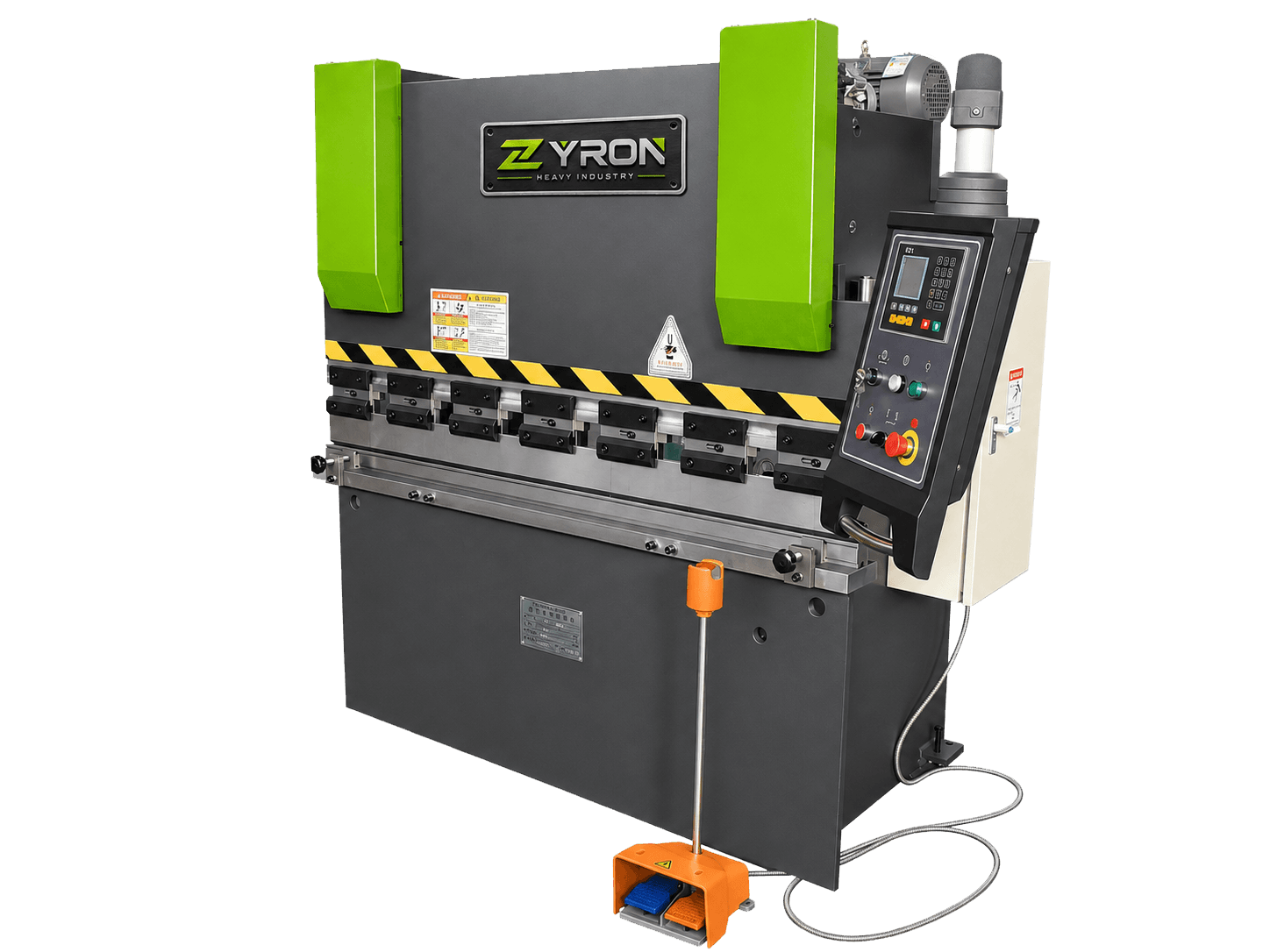
An NC hydraulic press brake designed for regular sheet metal bending, small and medium batch production, and practical workshop use. It provides stable hydraulic bending performance, simple NC control, and a more economical solution for customers who need reliable bending capacity without the higher cost of full CNC press brakes.
Production Challenges
Start with the workpiece, production rhythm and positioning problem before selecting the machine configuration.
01
When a workshop needs more stable bending angles, greater bending force and longer workpieces, an NC hydraulic press brake is a more practical production choice than manual bending methods.
02
For regular bends, standard parts and small or medium batches, NC control provides a more economical entry-level numerical-control solution.
03
An NC back gauge and programmed positioning help repeat bend dimensions and reduce dependence on fully manual measurement.
04
The machine fits sheet-metal factories, repair shops, cabinet workshops, duct fabricators and general metalworking production.
05
Tonnage and configuration can be matched to the material, thickness, bending length, tooling and required angle.
Solution Positioning
Three common production contexts show where simple NC control and hydraulic bending force create practical value.
Real Workshop Context
These real industrial scenes represent the workshops and fabricated products where NC press-brake bending can form part of the production flow.
 01
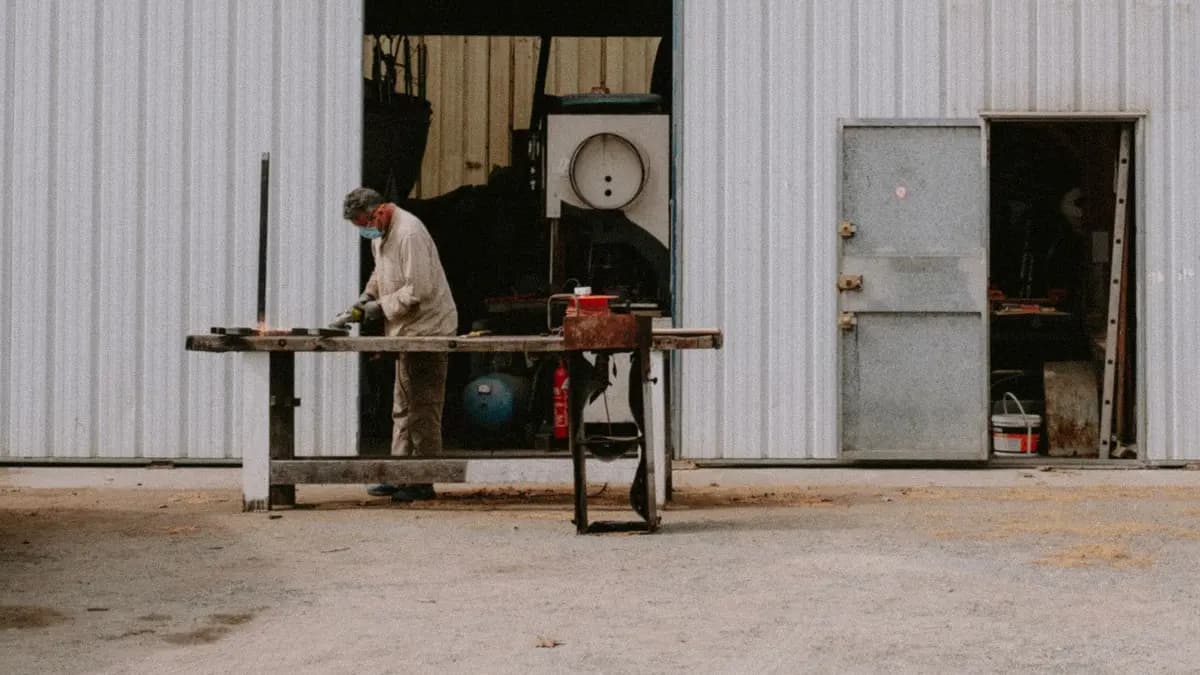
01A practical bending platform for regular brackets, panels, covers and fabricated sheet-metal parts in small and medium batches.
 02
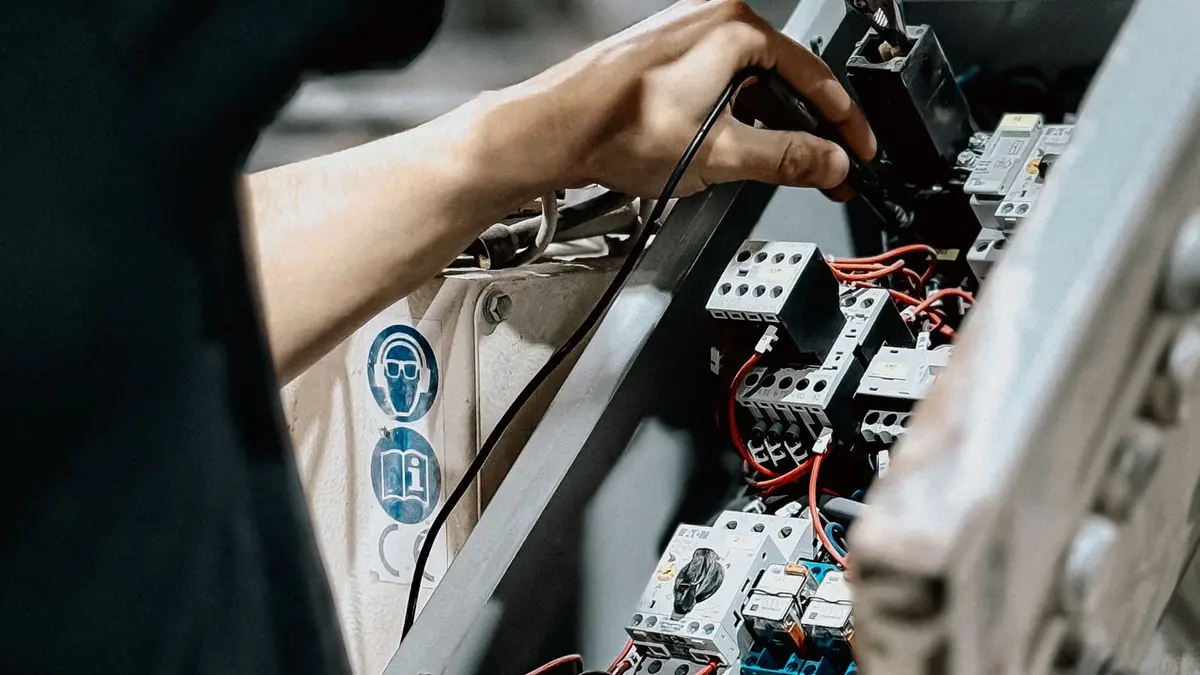
02Supports repeatable bending of cabinet panels, doors, enclosures, mounting plates and reinforcement parts.
 03
03Suitable for stainless panels and fabricated products when tonnage, bend length and tooling are matched to the material.
 04
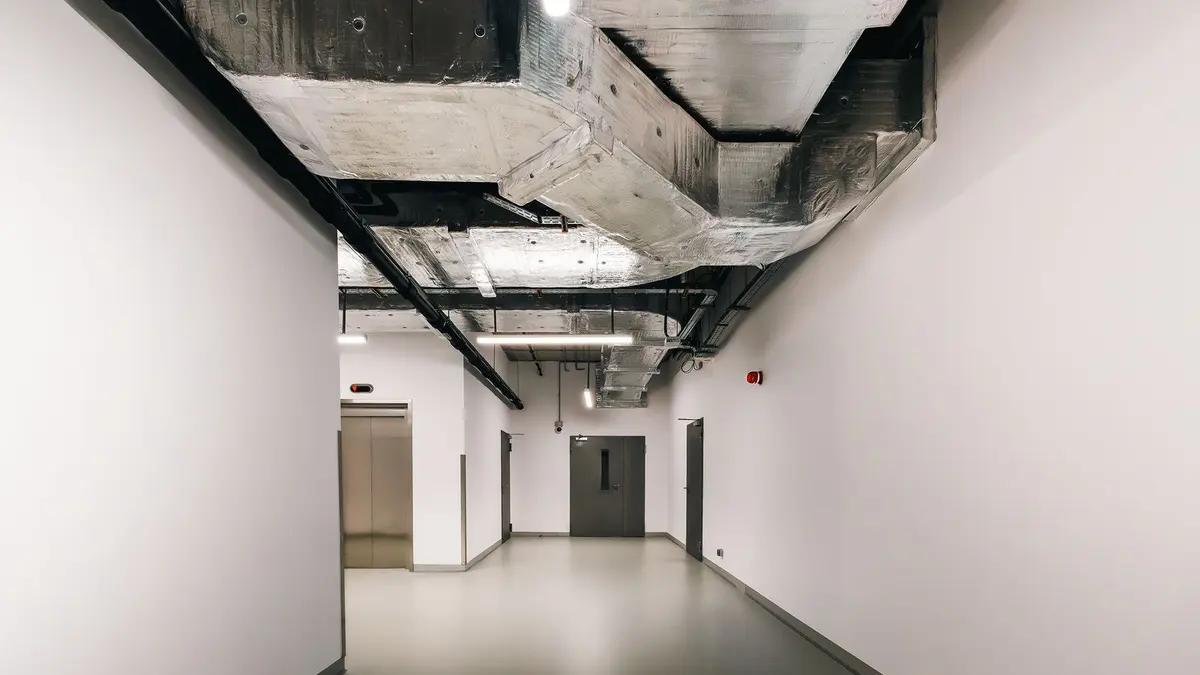
04Handles suitable duct panels, flanges, transitions and ventilation components that require press-brake tooling and hydraulic force.
 05
05Fits general machinery production for guards, frames, supports and formed components with recurring bend dimensions.
 06
06Provides stable hydraulic force for suitable gussets, covers and secondary structural parts after cutting and preparation.
 07
07Useful for metal profiles, frames, cover plates and formed parts used in door, window and architectural fabrication.
 08
08An economical entry into NC-controlled bending for repair shops and general workshops handling varied regular jobs.
Bending Materials
The suitable bending thickness depends on material strength, bending length, V-die opening, bending angle and machine tonnage. Please confirm your material and bending requirement before quotation.
Bending Process
A practical six-step view from prepared sheet to a checked component ready for the next manufacturing process.
01
Cut the sheet to the required size by shearing machine, laser cutting machine or other cutting equipment.
02
Select suitable punch and die according to material, thickness and bending angle.
03
Use the NC back gauge to position the sheet for repeated bending sizes.
04
The hydraulic system drives the ram to bend the sheet between upper and lower tooling.
05
Check the bending angle and adjust stroke, tooling or compensation when needed.
06
Continue with welding, riveting, assembly, surface treatment or final product manufacturing.
Controller Positioning
Basic NC control is designed for regular bending jobs, repeated positioning and practical workshop operation without the complexity of advanced multi-axis CNC systems.
Practical Machine Value
Cost-effective hydraulic bending solution
Suitable for regular sheet metal bending
NC back gauge for repeated positioning
Hydraulic system for stable bending force
Mature torsion-bar synchronization structure
Easier operation than complex CNC systems
Practical for small and medium batch production
Works with cutting, rolling, welding and assembly processes
Verified structure in current product data
Hydraulic drive · Torsion-bar synchronization · NC controller · Back gauge system · Upper punch and lower die · Front support and foot-pedal operation
Objective Selection
Each machine type serves a different production need. Compare the process, control and workpiece before selecting the platform.
| Compare by | NC Press Brake | CNC Press Brake | Hydraulic Folding Machine |
|---|---|---|---|
| Control system | Basic NC control for back-gauge positioning and machine settings, depending on configuration. | Advanced CNC control with closed-loop motion and broader programming capability. | Manual, electric, pneumatic, hydraulic or CNC folding control depending on machine type. |
| Axis configuration | Commonly focused on basic X/Y-related positioning or stroke settings. | Supports multiple coordinated axes such as Y1/Y2, X, R and optional Z axes. | Varies by folding-beam design and automation level. |
| Suitable production type | Regular parts and small or medium batches. | Frequent changeovers, complex parts and precision batch production. | Long-edge folding, hemming and suitable thin-sheet panel work. |
| Bending complexity | Best for basic and conventional bending sequences. | Better suited to complex multi-step and high-accuracy workpieces. | Well suited to panels and edge-folding profiles within machine capacity. |
| Cost level | Economical entry-level numerical-control solution. | Higher investment for accuracy, axes and automation. | Depends on drive, length, capacity and automation. |
| Operation difficulty | Relatively simple for regular work and repeated dimensions. | Requires more programming and process knowledge. | Often intuitive for edge folding, with complexity varying by controls. |
| Recommended use | Budget-conscious workshops needing hydraulic force and basic NC positioning. | Factories prioritizing precision, complex parts, automation and frequent order changes. | Thin-sheet long edges, hems, duct panels and suitable box or tray work. |
Connected Production
The NC hydraulic press brake is not only a single machine, but also a core bending machine in a complete sheet metal fabrication workflow.
Joining formed components into assemblies.
Grinding, finishing, coating or painting before delivery.
Configuration Guide
Provide the real workpiece and production requirements so tonnage, length, controller, tooling and options can be reviewed together.
Original Product Data
All values below come from the existing NC press-brake product data.
| Model | Nominal Force(kN) | Worktable Length(mm) | Distance Between Columns(mm) | Throat Depth(mm) | Ram Stroke(mm) | Max Opening Height(mm) | Main Motor Power(kW) | Overall Dimensions L × W × H(mm) |
|---|---|---|---|---|---|---|---|---|
| 40T/2200 | 400 | 2200 | 1870 | 230 | 100 | 320 | 4 | 2200 x 1200 x 1900 |
| 40T/2500 | 400 | 2500 | 1960 | 230 | 100 | 320 | 4 | 2500 x 1200 x 1900 |
| 50T/2500 | 500 | 2500 | 1960 | 230 | 100 | 320 | 5.5 | 2500 x 1200 x 2000 |
| 63T/2500 | 630 | 2500 | 1960 | 250 | 120 | 320 | 5.5 | 2500 x 1300 x 2210 |
| 63T/3200 | 630 | 3200 | 2600 | 250 | 120 | 320 | 5.5 | 3200 x 1300 x 2210 |
| 80T/2500 | 800 | 2500 | 1960 | 300 | 120 | 320 | 7.5 | 2500 x 1400 x 2300 |
| 80T/3200 | 800 | 3200 | 2600 | 320 | 120 | 350 | 7.5 | 3200 x 1500 x 2300 |
| 80T/4000 | 800 | 4000 | 3160 | 320 | 120 | 350 | 7.5 | 4000 x 1500 x 2400 |
| 100T/2500 | 1000 | 2500 | 1960 | 320 | 140 | 350 | 7.5 | 2500 x 1600 x 2400 |
| 100T/3200 | 1000 | 3200 | 2600 | 320 | 140 | 400 | 7.5 | 3200 x 1600 x 2600 |
| 100T/4000 | 1000 | 4000 | 3160 | 320 | 140 | 400 | 7.5 | 4000 x 1600 x 2600 |
| 125T/3200 | 1250 | 3200 | 2600 | 320 | 140 | 400 | 11 | 3200 x 1600 x 2600 |
| 125T/4000 | 1250 | 4000 | 3160 | 320 | 140 | 400 | 11 | 4000 x 1600 x 2600 |
| 160T/3200 | 1600 | 3200 | 2600 | 320 | 190 | 460 | 11 | 3200 x 1700 x 2700 |
| 160T/4000 | 1600 | 4000 | 3160 | 320 | 190 | 460 | 11 | 4000 x 1700 x 2800 |
| 160T/5000 | 1600 | 5000 | 4060 | 320 | 190 | 460 | 11 | 5000 x 1900 x 3100 |
| 160T/6000 | 1600 | 6000 | 4850 | 320 | 190 | 460 | 11 | 6300 x 1900 x 3200 |
| 200T/3200 | 2000 | 3200 | 2600 | 320 | 190 | 460 | 15 | 3200 x 1950 x 2800 |
| 200T/4000 | 2000 | 4000 | 3160 | 320 | 190 | 460 | 15 | 4000 x 1950 x 2800 |
| 200T/5000 | 2000 | 5000 | 4060 | 320 | 190 | 460 | 15 | 5000 x 1950 x 3000 |
| 200T/6000 | 2000 | 6000 | 4850 | 320 | 190 | 460 | 15 | 6000 x 1950 x 3300 |
| 250T/3200 | 2500 | 3200 | 2450 | 400 | 250 | 590 | 18.5 | 3250 x 2000 x 3200 |
| 250T/4000 | 2500 | 4000 | 3160 | 400 | 250 | 590 | 18.5 | 4000 x 2000 x 3400 |
| 250T/5000 | 2500 | 5000 | 4060 | 400 | 250 | 590 | 18.5 | 5000 x 2000 x 3400 |
| 250T/6000 | 2500 | 6000 | 4850 | 400 | 250 | 590 | 18.5 | 6000 x 2000 x 3400 |
| 300T/3200 | 3000 | 3200 | 2600 | 400 | 250 | 590 | 22 | 3200 x 2000 x 3450 |
| 300T/4000 | 3000 | 4000 | 3160 | 400 | 250 | 590 | 22 | 4000 x 2000 x 3450 |
| 300T/5000 | 3000 | 5000 | 4060 | 400 | 250 | 590 | 22 | 5000 x 2000 x 3450 |
| 300T/6000 | 3000 | 6000 | 4850 | 400 | 250 | 590 | 22 | 6000 x 2000 x 3450 |
| 400T/3200 | 4000 | 3200 | 2600 | 400 | 250 | 590 | 30 | 3200 x 2180 x 3400 |
| 400T/4000 | 4000 | 4000 | 3160 | 400 | 250 | 590 | 30 | 4000 x 2180 x 3400 |
| 400T/5000 | 4000 | 5000 | 4060 | 400 | 250 | 590 | 30 | 5000 x 2180 x 3500 |
| 400T/6000 | 4000 | 6000 | 4850 | 400 | 250 | 590 | 30 | 6000 x 2180 x 3800 |
| 500T/5000 | 5000 | 5000 | 4060 | 400 | 300 | 590 | 37 | 5050 x 3500 x 3700 |
| 500T/6000 | 5000 | 6000 | 4850 | 400 | 300 | 590 | 37 | 6050 x 3500 x 3700 |
| 600T/4000 | 6000 | 4000 | 3160 | 400 | 320 | 590 | 45 | 4050 x 4500 x 3700 |
| 600T/6000 | 6000 | 6000 | 4850 | 400 | 320 | 590 | 45 | 6050 x 4500 x 3700 |
Final specifications depend on sheet material, thickness, bending length, tooling, controller and selected machine configuration.
Tooling, V-die opening and material strength must be reviewed together with the required part geometry.
Different bending jobs require a suitable punch and die.
V-die opening affects bending force, minimum flange size and bending quality.
Stainless steel usually requires higher bending force than mild steel under similar conditions.
Special profiles may require custom tooling.
Final tooling recommendations should be confirmed from the drawing, material and bending angle.
Buyer Questions
Answers are based on the current product information and keep configuration-dependent details conditional.
It is a sheet-metal bending machine that uses hydraulic force and an NC controller to manage functions such as back-gauge positioning or ram stroke, depending on the configuration. It is suited to regular sheet-metal bending work.
It is commonly used for mild steel, stainless steel, galvanized sheet, aluminum and copper. Actual capacity depends on material strength, thickness, bending length, tooling and machine tonnage.
An NC press brake is an economical choice for basic and regular bending. A CNC press brake is generally better for tighter accuracy requirements, multi-axis control, complex parts and higher automation.
Yes. It is a practical option for small and medium sheet-metal workshops, repair fabricators and general metalworking customers that need an economical hydraulic bending solution.
Yes, when the machine tonnage and tooling are selected for the stainless-steel strength, thickness and bending length.
Confirm material type, thickness, bending length, V-die opening, bending angle and the workpiece drawing. Final tonnage should be reviewed by an engineer.
Controller options can manage the back gauge, ram stroke, program steps or workpiece counting. The current project information supports a common E21 configuration; the final model depends on the selected machine.
Bending length, tonnage, back gauge, controller, voltage, tooling and safety configuration can be reviewed for the application before quotation.
Provide the material, thickness, bending length, angle, part drawing, production quantity, voltage, controller requirement and destination country or port.
Explore Related Equipment
Talk to an Engineer
Send your material, thickness, bending length, drawing and production requirement. We will recommend a suitable NC hydraulic press brake configuration for your workshop.