01
Feedstock is described too broadly
Material type, shape, bulk density, contamination, and maximum input size affect the cutting system and feeding method.
Product Directory
Rectangular Duct Seam Closing Machine
Sheet Metal Notching Machine
Auto Duct Production Line
Round Duct Elbow Making Machine
Duct Beading Machine
Angle Iron Flange Rolling Machine
Spiral Duct Production Line
Language
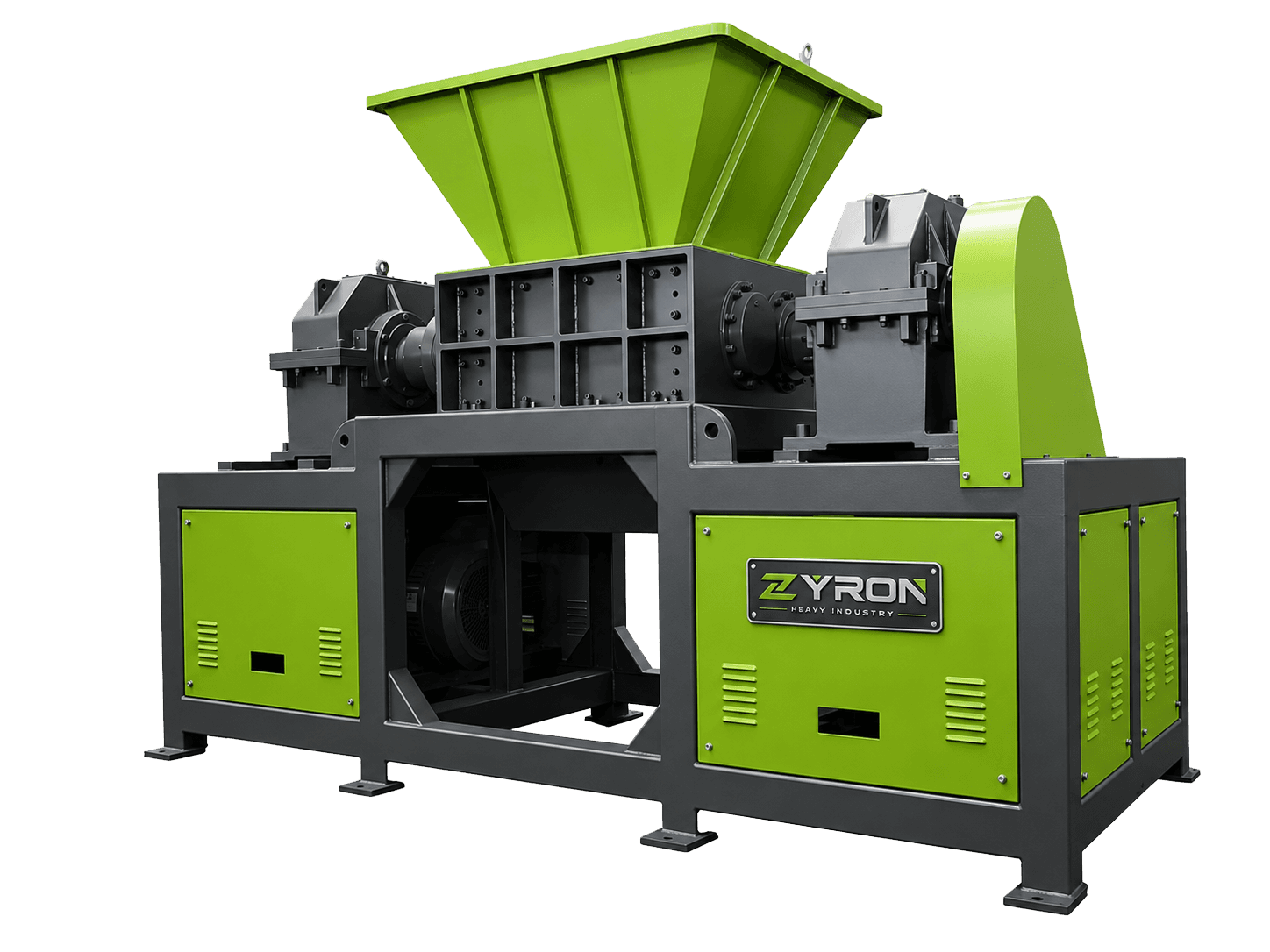
Material Size-Reduction Solution
High-torque dual-shaft shredding for mixed material, scrap, and recycling lines.
Customer Challenges
01
Material type, shape, bulk density, contamination, and maximum input size affect the cutting system and feeding method.
02
The required downstream size and consistency should guide shredder, granulator, screen, and recirculation choices.
03
Actual production depends on the feedstock, cutter configuration, loading, discharge, and downstream equipment.
04
Conveying, separation, dust control, collection, and service access should be considered with the core machine.
Solution Positioning
Material size-reduction systems for recycling, scrap recovery, production waste, and downstream separation lines.
Production Workflow
A clear process view helps confirm whether the machine, configuration, and surrounding workflow belong together.
01
Confirm material type, dimensions, form, contamination, and loading method.
02
Introduce material through the selected hopper, conveyor, or controlled loading method.
03
Process feedstock with the selected shaft, cutter, and screen configuration.
04
Move output into collection, screening, separation, granulation, or recycling.
Operational Value
The points below come from the current product information and are presented as practical production considerations.
01
02
03
04
Application Scenarios
This machine can support recycling plants as part of primary or secondary material size reduction, subject to the selected model and process requirement.
This machine can support scrap recovery as part of primary or secondary material size reduction, subject to the selected model and process requirement.
This machine can support waste processing as part of primary or secondary material size reduction, subject to the selected model and process requirement.
This machine can support production waste handling as part of primary or secondary material size reduction, subject to the selected model and process requirement.
Machine Selection
What material, shape, input size, and contamination are expected?
What target output size and downstream process are required?
What throughput range and operating schedule should be evaluated?
Which feeding, screen, conveyor, separation, and safety options are needed?
Configuration Review
Conveyor system can be reviewed as part of the feeding, cutter structure, screen, discharge, and downstream separation requirement for the final machine configuration.
Custom blades can be reviewed as part of the feeding, cutter structure, screen, discharge, and downstream separation requirement for the final machine configuration.
Screen selection can be reviewed as part of the feeding, cutter structure, screen, discharge, and downstream separation requirement for the final machine configuration.
Magnetic separation can be reviewed as part of the feeding, cutter structure, screen, discharge, and downstream separation requirement for the final machine configuration.
Technical Specification Basis
Final selection depends on the material, workpiece, process, production frequency, options, and local utility requirements.
| Material | Plastic, wood, packaging, production waste, and mixed recyclable material |
|---|---|
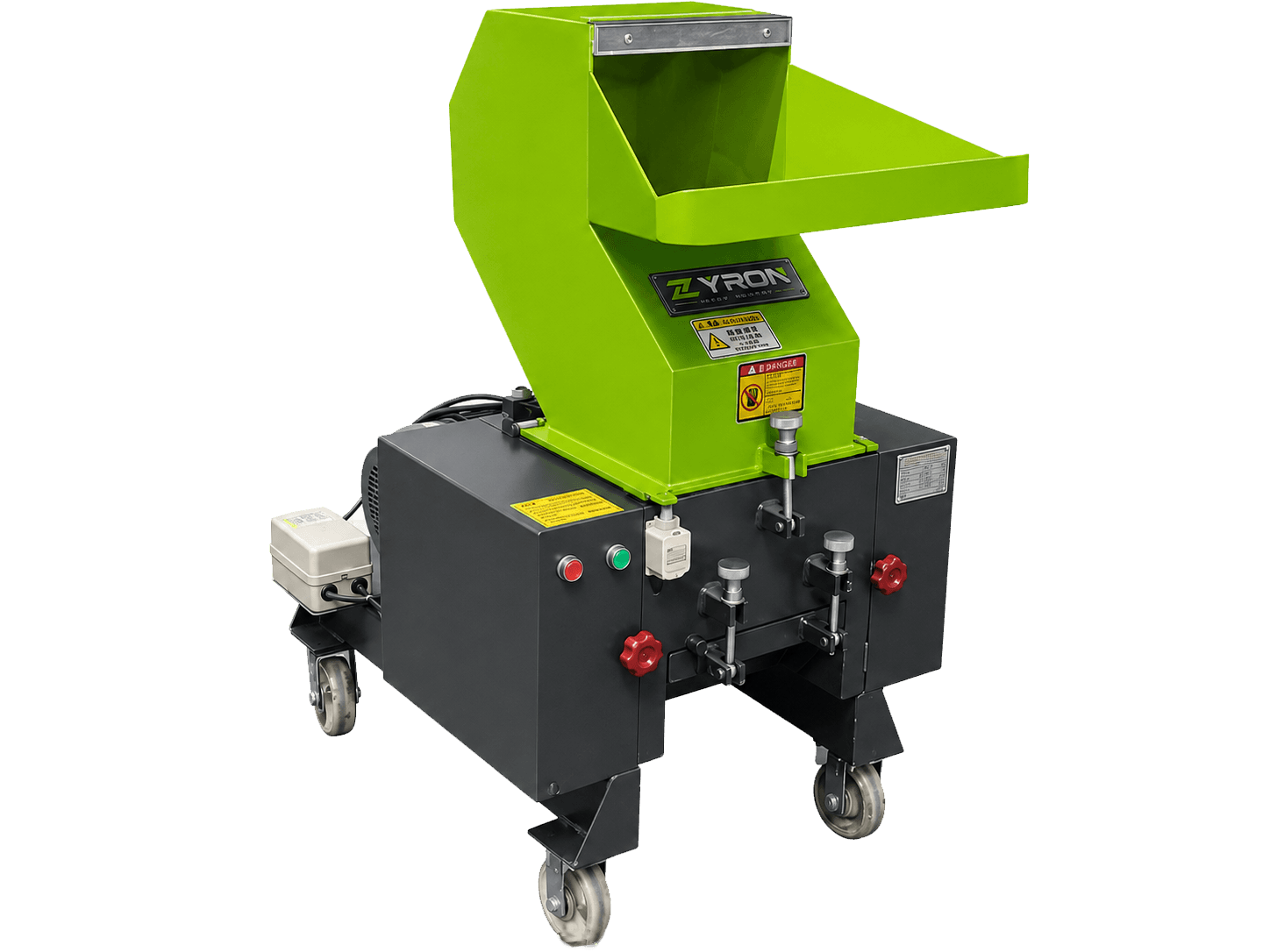
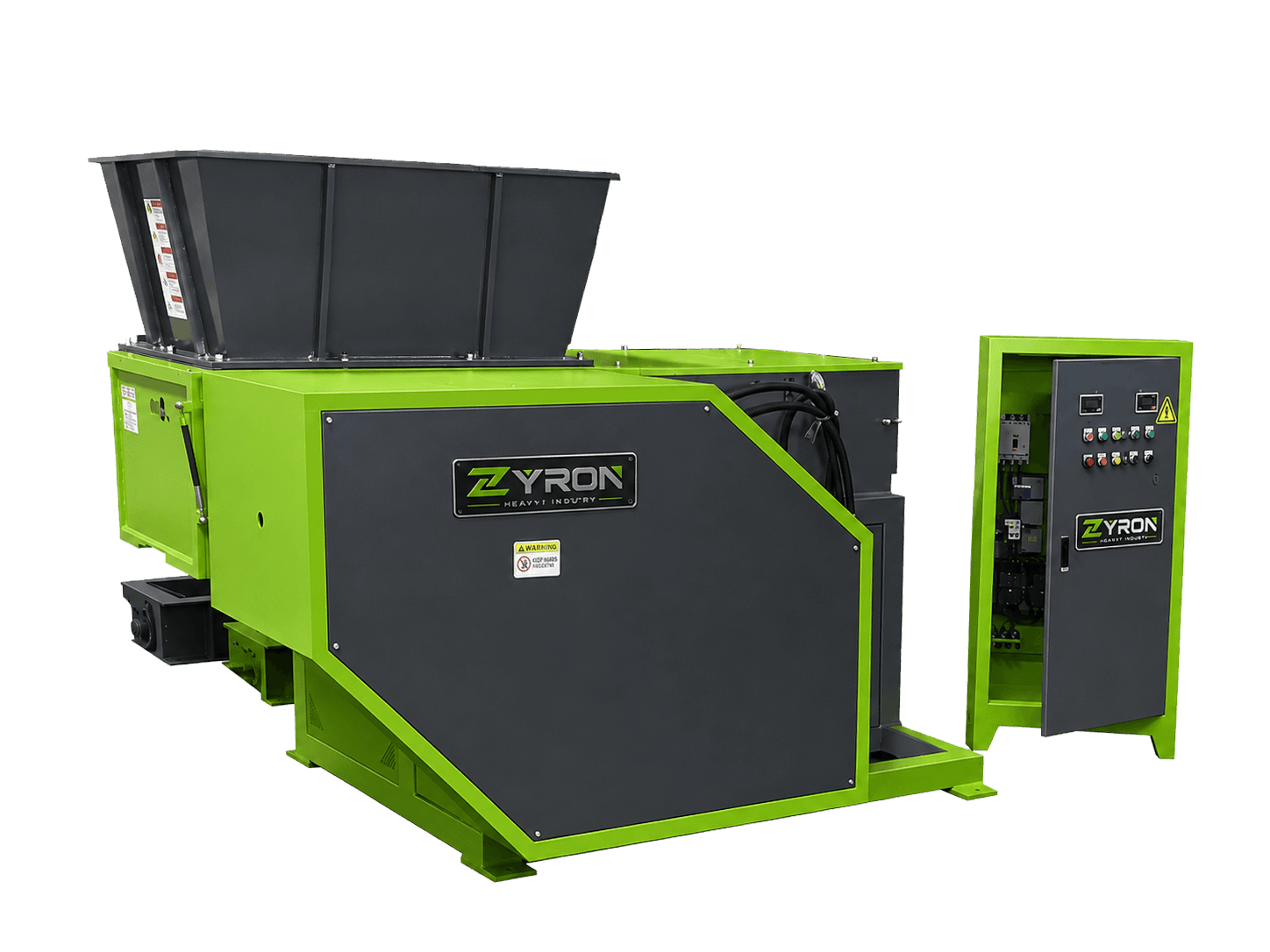
| Rotor | Granulator, single-shaft, or dual-shaft configuration |
| Output | Selected by blade, screen, and downstream process requirements |
| Integration | Conveyor, separator, dust collection, and recycling-line options |
Project Support
01
Review representative feedstock, input size, contamination, and target output.
02
Match granulation, single-shaft, or dual-shaft reduction to the material.
03
Confirm hopper, cutters, screens, conveying, separation, and controls.
04
Coordinate layout, utilities, shipment, setup guidance, and support.
Talk to a ZYRON Engineer
Send the core workpiece and production information. ZYRON will use it to review the suitable model and configuration with you.