
01
Manual folding is slow for repeated work
Electric drive reduces repeated manual lifting and folding actions, making it suitable for routine edge-folding work.
Product Directory
Rectangular Duct Seam Closing Machine
Sheet Metal Notching Machine
Auto Duct Production Line
Round Duct Elbow Making Machine
Duct Beading Machine
Angle Iron Flange Rolling Machine
Spiral Duct Production Line
Language
Efficient sheet metal edge bending solution for workshops, HVAC duct fabrication and light metal forming.
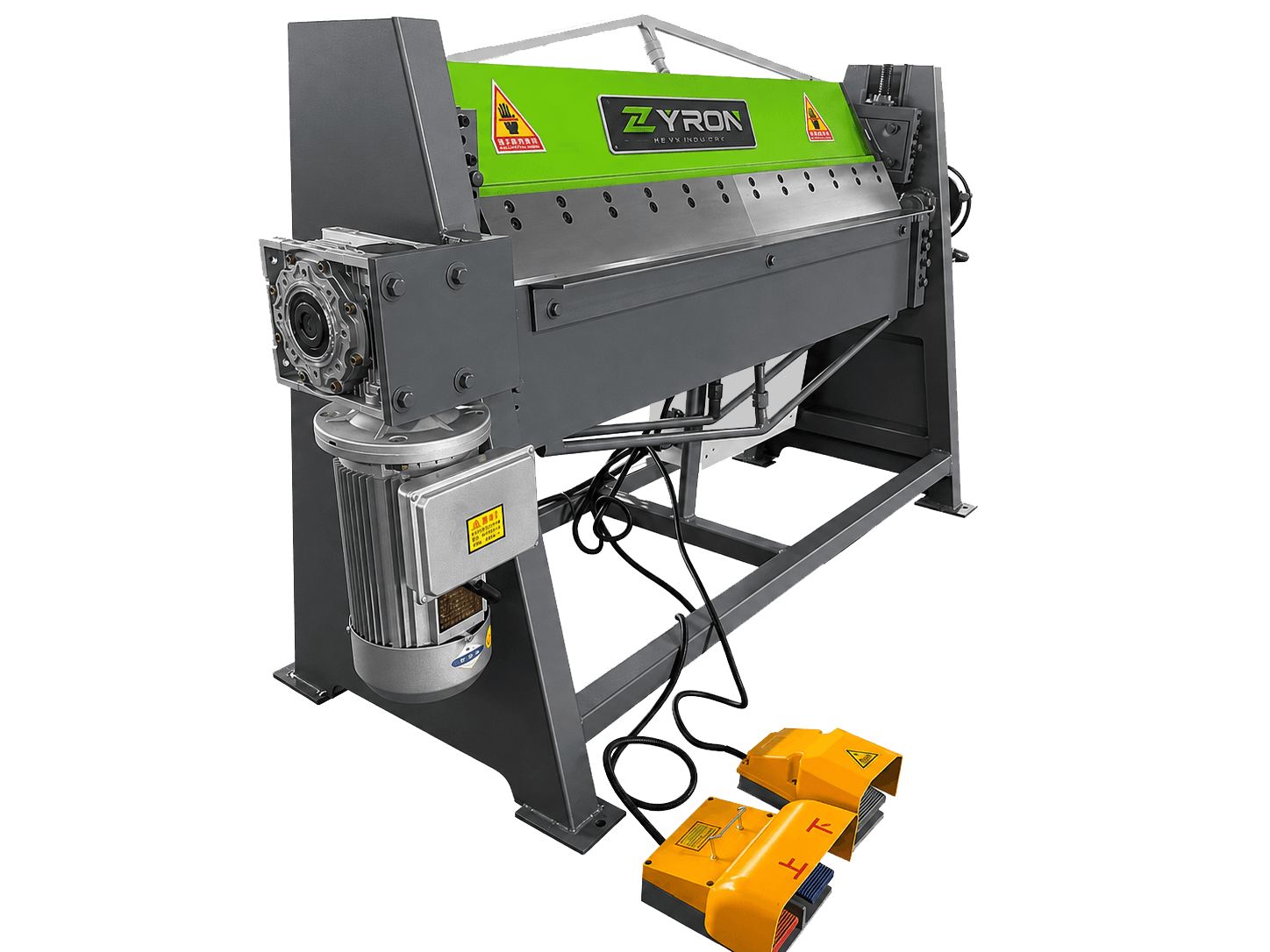
A practical electric folding machine for thin sheet metal bending, edge folding and duct panel forming. It helps workshops improve folding efficiency, reduce manual labor and keep more consistent bending results for daily sheet metal production.
Customer Challenges
Start with the sheet, batch size, work location and finished edge—not only the machine name.
01
Electric drive reduces repeated manual lifting and folding actions, making it suitable for routine edge-folding work.
02
Suitable thin-sheet hemming, duct-panel folding and edge forming help keep bending results more consistent.
03
A practical powered folding option for small and medium sheet-metal workshops, duct shops and repair fabrication points.
04
Supports rectangular duct-panel folds before lock forming, beading, flanging and seam-closing operations.
05
Electric folding reduces purely manual operating effort for more frequent thin-sheet edge-folding requirements.
Solution Fit
Three practical use profiles help match electric folding to the production rhythm, material and finished-part requirement.
Applications
Powered edge folding supports duct fabrication, roofing, enclosures and mixed thin-sheet workshop requirements.

Forms duct-panel edges before rectangular duct joining and assembly operations.
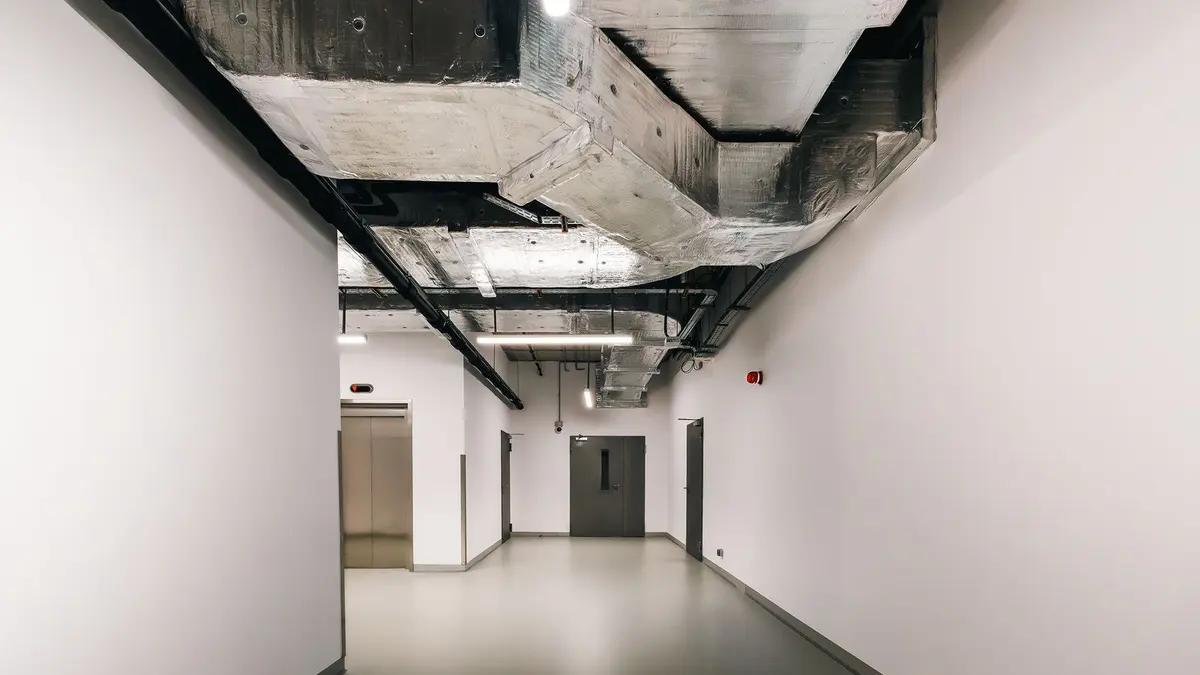
Supports repeatable folding steps for ventilation duct panels before their next forming and joining process.
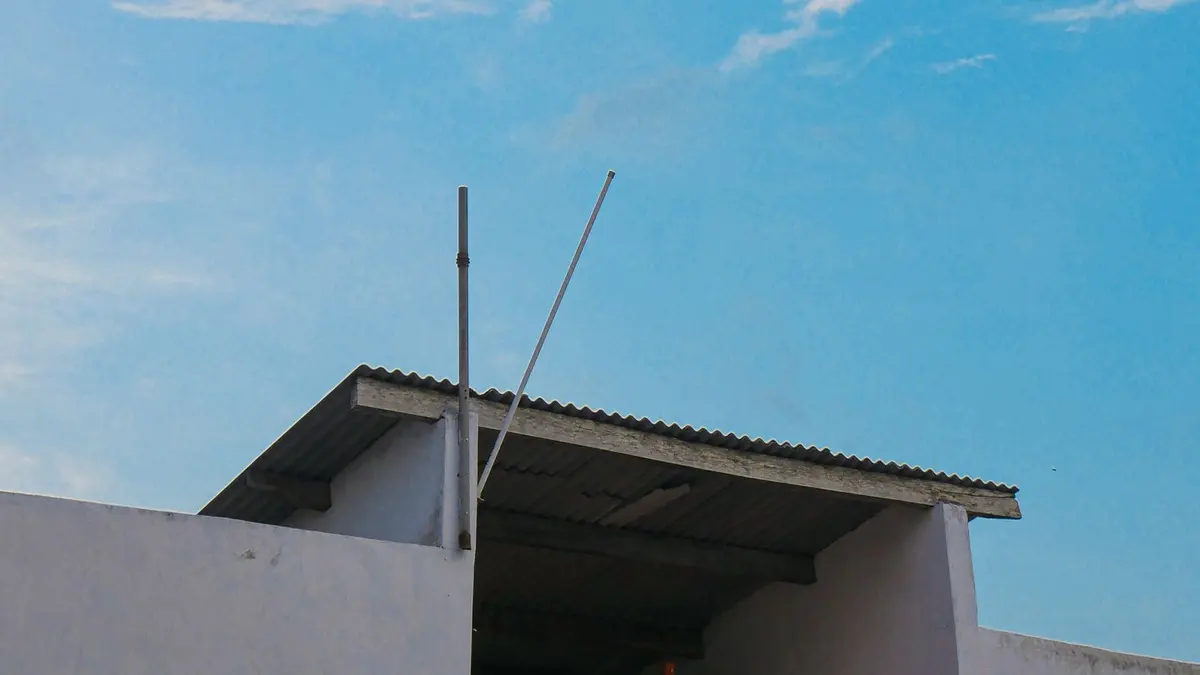
Useful for suitable thin roofing sheet, flashing and trim parts that need folded edges.

Supports light architectural panels, edging and trim components where the material matches the selected model.
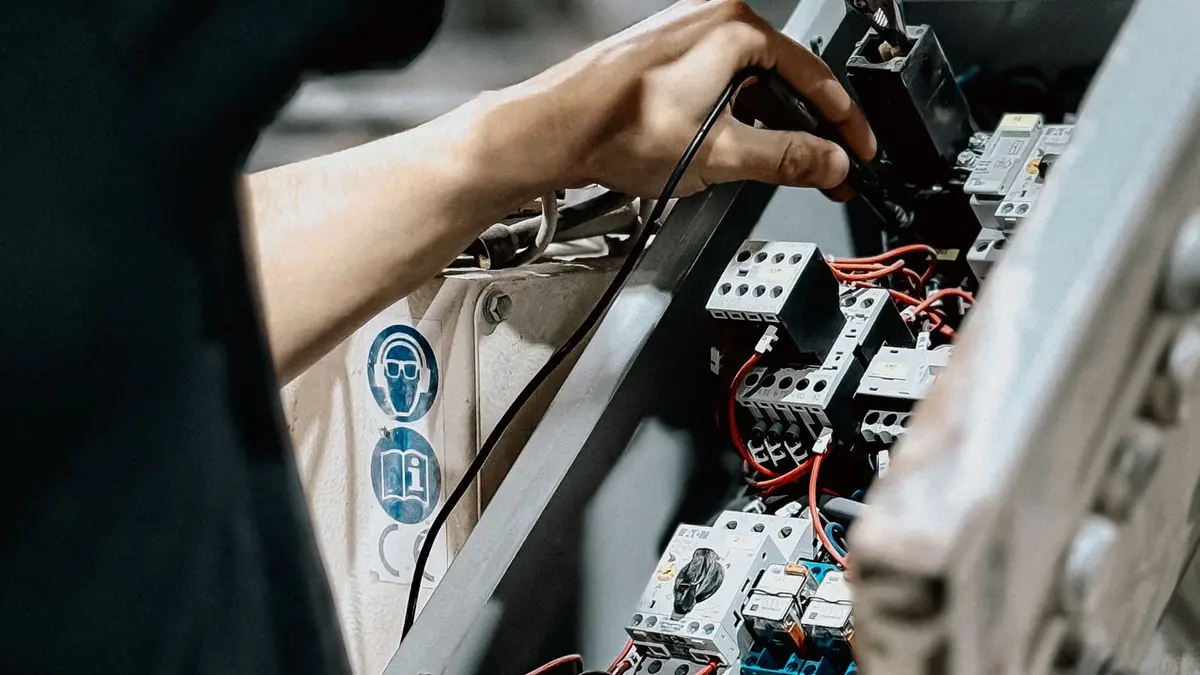
Helps prepare suitable thin-sheet flanges and enclosure parts for fabrication and assembly.

Handles straightforward edge folds for suitable sign panels, channels and light-gauge components.
Supports selected thin metal work, including stainless steel after material strength, thickness and bending length are confirmed.

A practical powered folding step for mixed thin-sheet edge-forming work in a general workshop.
Materials
The suitable thickness depends on material strength, bending length and machine configuration. Please confirm your material, thickness and bending requirement before quotation.
Commonly used for HVAC duct panels and general light sheet-metal work.
Suitable within the verified capacity of the selected model and bending length.
Requires capacity confirmation because material strength affects workable thickness.
Useful for light fabrication when alloy, thickness and bend requirement are reviewed together.
Supports selected roofing, enclosure and architectural trim applications.
The workpiece must be matched to material strength, folding length and machine configuration.
Process Flow
A clear powered sequence keeps cutting, positioning, clamping, folding and angle checking connected to the next process.
Cut the sheet to the required size before bending.
Position the sheet according to the required flange size or duct panel size.
Clamp the sheet firmly before folding.
Use the electric folding mechanism to complete edge bending more efficiently than manual operation.
Check the bending angle and adjust according to the required part.
Continue with lock forming, riveting, welding, duct assembly, installation or final product assembly.
Verified Machine Value
Motor-driven folding reduces manual lifting and folding effort in routine thin-sheet work.
Supports folding, flanging, edge wrapping and angle forming for suitable thin metal sheets.
A motor-assisted folding cycle is practical for repeated small-to-medium batch workshop production.
The electric folding machine has a relatively simple structure for conventional thin-sheet folding applications.
Useful for duct-panel edge forming before lock forming, flanging, joining and assembly.
Fits as a folding stage beside cutting, reinforcement, lock-forming and joining equipment.
Its practical clamping, folding, electrical-control and angle-adjustment sections support routine workshop use.
Can work with a shearing machine, lock forming machine, beading machine and flange forming machine.
Selection Comparison
Each drive method fits a different production rhythm, load and workshop setup. Compare the requirements before selecting a machine.
| Comparison Item | Manual Folding Machine | Electric Folding Machine | Hydraulic Folding Machine |
|---|---|---|---|
| Power source | Manual operation; no electrical supply required for folding. | Motor-driven and requires the matched electrical supply. | Hydraulic power system with the matched electrical supply. |
| Suitable production volume | One-off, mixed and small-batch work. | Repeated small-to-medium batch thin-sheet production. | Continuous or higher-load folding requirements. |
| Operation method | The operator clamps and folds the sheet mechanically. | Motor assistance reduces manual effort in the folding cycle. | Hydraulic clamping and folding provide powered operation. |
| Folding efficiency | Practical for lower-frequency and varied work. | Suitable for repeated daily folding cycles with less manual effort. | Suitable for higher-load or more demanding folding work. |
| Cost level | Lower-complexity equipment for basic folding requirements. | Powered equipment and electrical configuration level. | Higher-complexity hydraulic equipment configuration. |
| Workshop space | Relevant to compact workshops and selected site layouts. | A practical powered station for small and medium workshops. | Usually planned for a larger, higher-load workshop station. |
| Recommended use | Basic thin-sheet folding, limited batches and flexible site work. | Daily repeated thin-sheet folding, duct panels and workshop production. | Larger specifications, higher loads or heavier folding requirements. |
Supporting Equipment
The electric folding machine is not only a single machine, but also a practical supporting machine in a complete sheet metal or HVAC duct fabrication workflow.
Cuts sheet to the required blank size before marking and folding.
Adds reinforcement beads to suitable duct panels before assembly.
Forms the lock profile used to connect rectangular duct sections.
Forms the integrated flange edge used in a TDF duct workflow.
Creates duct-panel folds, return edges and suitable thin-sheet hems.
Closes the prepared seam after panel forming and duct assembly.
Handles work that needs a different bending method, thicker material or press-brake tooling.
Configuration Guide
A usable recommendation begins with the real sheet and finished edge requirement. Share these details before model confirmation.
Sheet material
Maximum sheet thickness
Maximum bending length
Required bending angle
Flange size
Flat sheet folding or duct sheet folding
Workshop use or site use
Daily production quantity
Voltage requirement
Need to match with shearing machine, lock former, beading machine or TDF flange machine
Verified Data
The table below preserves the existing confirmed model data. Match the row to the material and folding requirement before quotation.
| Machine Model | Foldable Sheet Thickness(mm) | Foldable Sheet Width(mm) | Minimum Bending Angle(deg) | Main/Auxiliary Motor Power(kW) | Machine Weight(kg) | Overall Dimensions(mm) |
|---|---|---|---|---|---|---|
| DWS-1.5 x 1300 | 1.5 | 1300 | 55 | 2.2/0.75 | 450 | 1950 x 650 x 1550 |
| DWS-1.5 x 1500 | 1.5 | 1500 | 55 | 2.2/0.75 | 500 | 2150 x 650 x 1550 |
| DWS-1.5 x 2000 | 1.5 | 2000 | 55 | 2.2/0.75 | 600 | 2650 x 650 x 1550 |
| DWS-1.5 x 2500 | 1.5 | 2500 | 55 | 3/0.75 | 700 | 3100 x 650 x 1550 |
Final specifications depend on sheet material, thickness, bending length, voltage and selected machine configuration.
FAQ
Practical answers for capacity confirmation, material matching and workflow planning.
An electric folding machine uses electric drive to complete thin-sheet edge folding, hemming and basic forming. It is suitable for routine workshop sheet-metal work and duct-panel folding.
It is commonly used with galvanized sheet, thin mild steel, thin stainless steel, aluminum and color steel sheet. Actual capability depends on material strength, thickness and machine specification.
Yes. It supports rectangular duct-panel folding and basic thin-sheet forming, and can work with shearing, lock forming, beading, TDF flange forming and seam-closing equipment in a matched workflow.
A manual folding machine needs no electrical power and suits small batches or site work. An electric folding machine reduces manual operating effort and is better suited to daily repeated folding and small-to-medium batch production.
An electric folding machine is suitable for thin-sheet and small-to-medium workshop folding. A hydraulic folding machine is better suited to larger specifications, higher loads or heavier folding requirements.
It can process suitable thin stainless steel, but workable thickness is affected by material strength. Confirm the selected machine model, stainless grade, thickness and folding length.
Provide material, thickness, bending length, bending angle, application, production quantity, voltage, required supporting equipment and destination country or port.
Available DWS models and bending lengths are matched to your voltage requirement, sheet material, thickness and application. Confirm the suitable configuration with our engineer.
Next Step
Send your sheet material, thickness, bending length, voltage and application. We will recommend a suitable electric folding machine configuration for your workshop.