Manual or pneumatic folding is not enough for heavier work
When sheets are longer, folding is more frequent or the forming load increases, hydraulic drive is a more suitable basis for stable workshop production.
Product Directory
Rectangular Duct Seam Closing Machine
Sheet Metal Notching Machine
Auto Duct Production Line
Round Duct Elbow Making Machine
Duct Beading Machine
Angle Iron Flange Rolling Machine
Spiral Duct Production Line
Language
Heavy-duty sheet metal folding solution for HVAC duct fabrication, long edge bending and workshop production.
A hydraulic folding machine designed for thin sheet metal bending, duct panel folding, long edge forming and daily workshop production. It provides stronger clamping force and more stable folding performance for customers who need higher capacity than manual, pneumatic or electric folding machines.
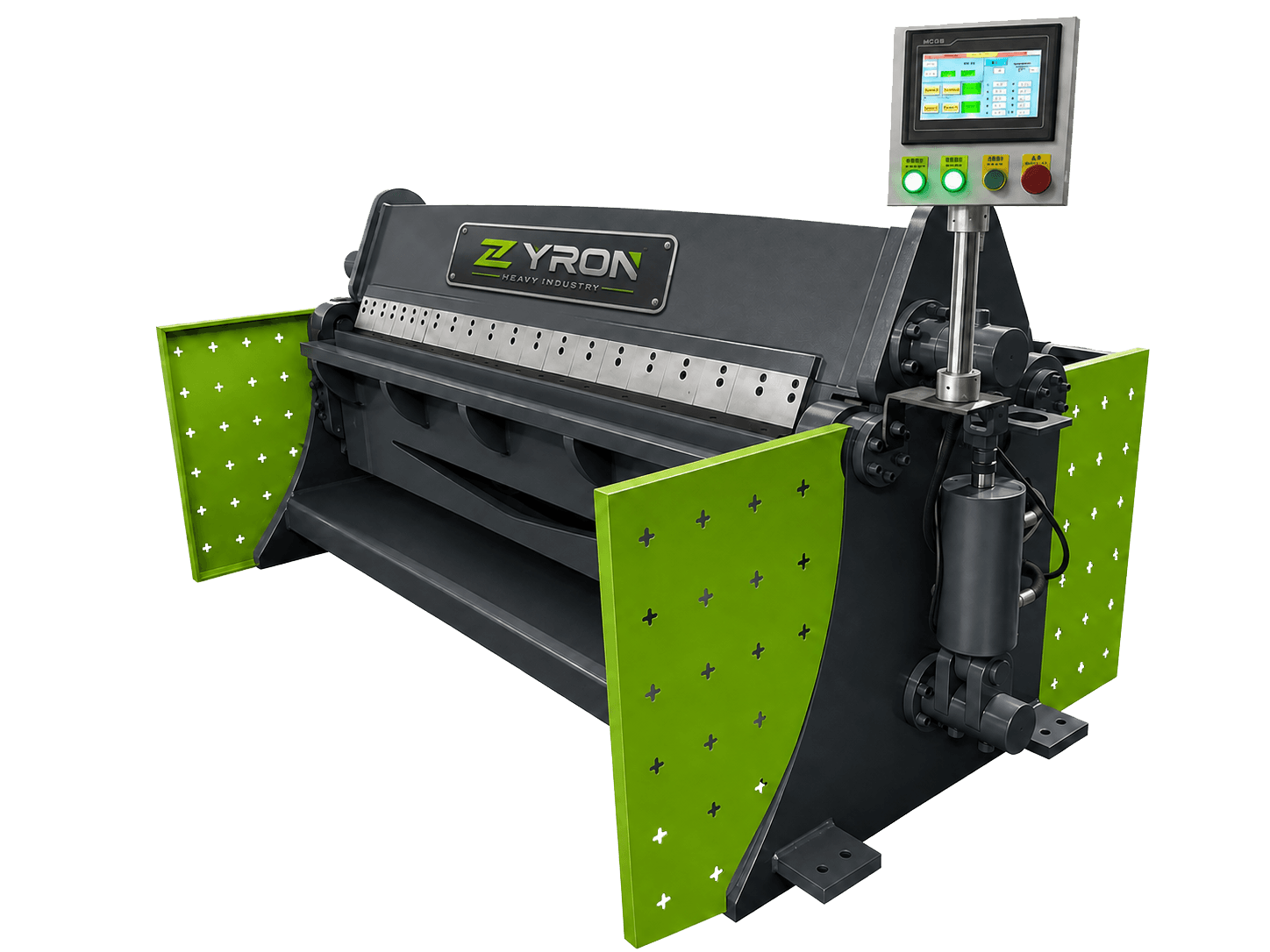
Hydraulic Clamping & Folding
Suitable for Long Sheet Metal Parts
Stable for Workshop Production
Practical for HVAC Duct Fabrication
Customer Challenges
Start with sheet length, material, load and production frequency before choosing the drive system.
When sheets are longer, folding is more frequent or the forming load increases, hydraulic drive is a more suitable basis for stable workshop production.
Hydraulic clamping helps reduce sheet movement during long-edge folding and repeated edge-forming work.
The supported folding method suits repeated hems, duct-panel edges, sheet-metal wrapping and thin-sheet forming where stable results matter.
Fold rectangular duct panels alongside cutting, beading, lock forming, flange forming and seam-closing operations.
For suitable thin-sheet long-edge work, a hydraulic folder offers a direct folding-beam process without automatically moving to a large press brake.
Solution Fit
Three practical production settings where hydraulic clamping and folding can provide the right level of support.
Real Industry Context
Real photographs show the industries, materials and downstream products supported by a suitable folding configuration.
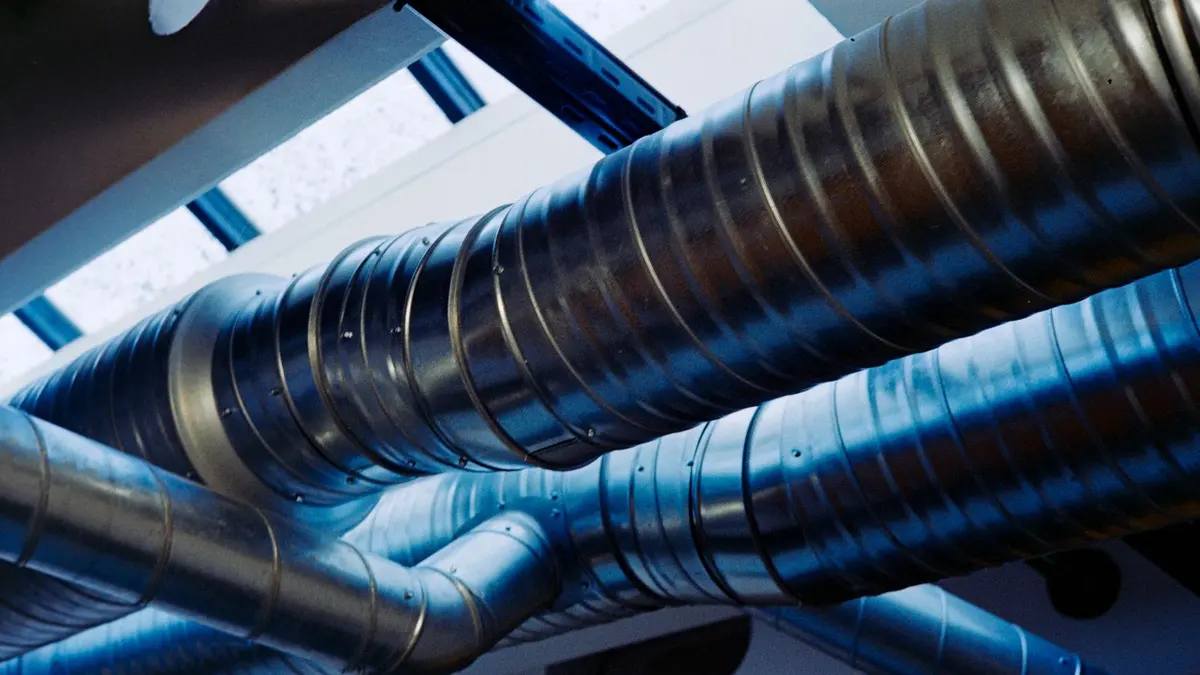
Forms suitable duct-panel edges before rectangular duct joining, flanging and assembly.

Supports long straight folds used to prepare rectangular air-duct panels for the next forming stage.
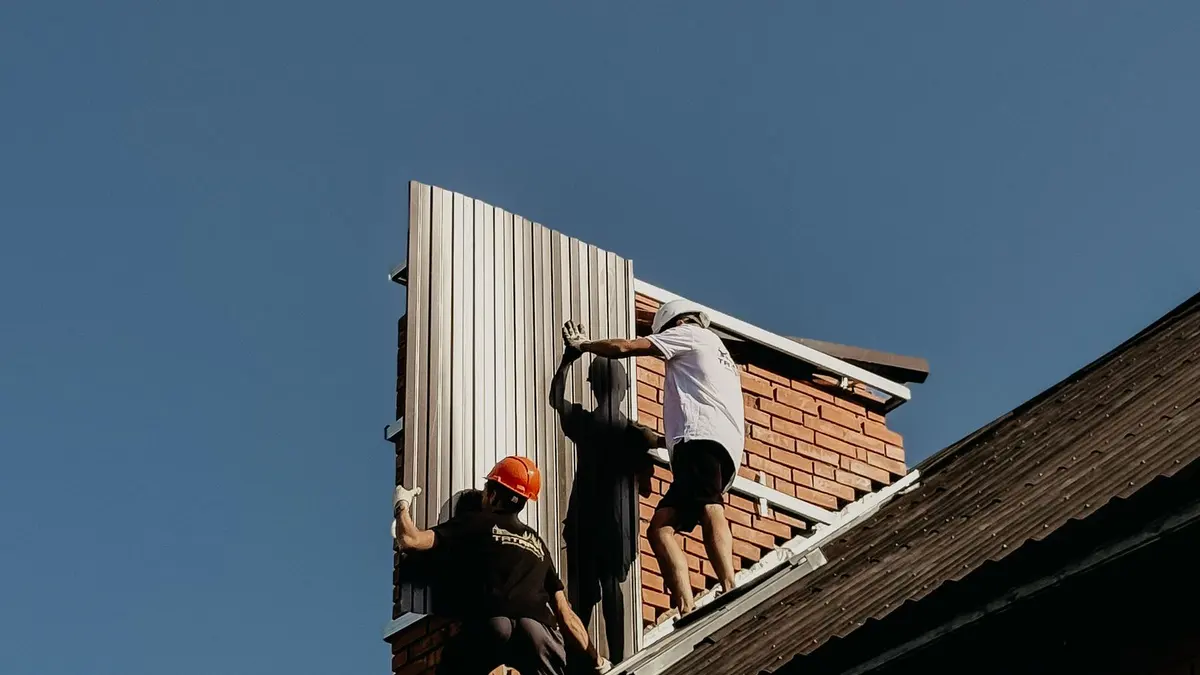
Useful for suitable roofing panels, flashing and trim parts that require long folded edges.

Supports cladding, edging and architectural parts where the selected model matches the material requirement.
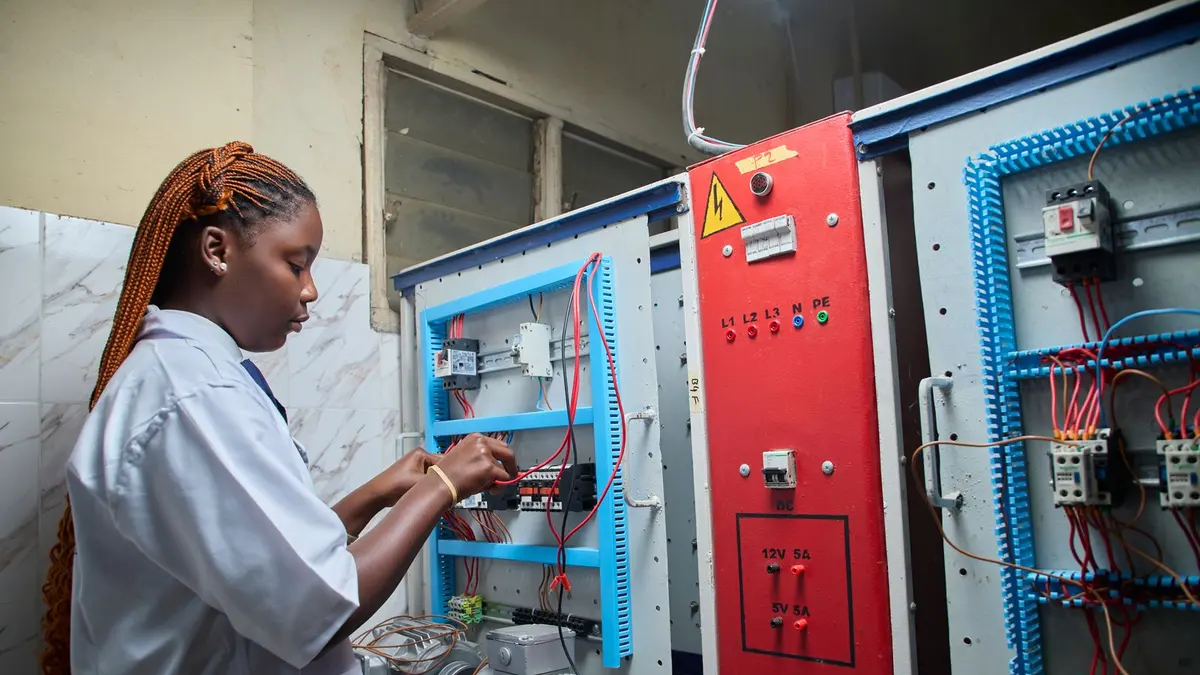
Prepares long flanges and enclosure edges for suitable cabinet, chassis and door-panel production.
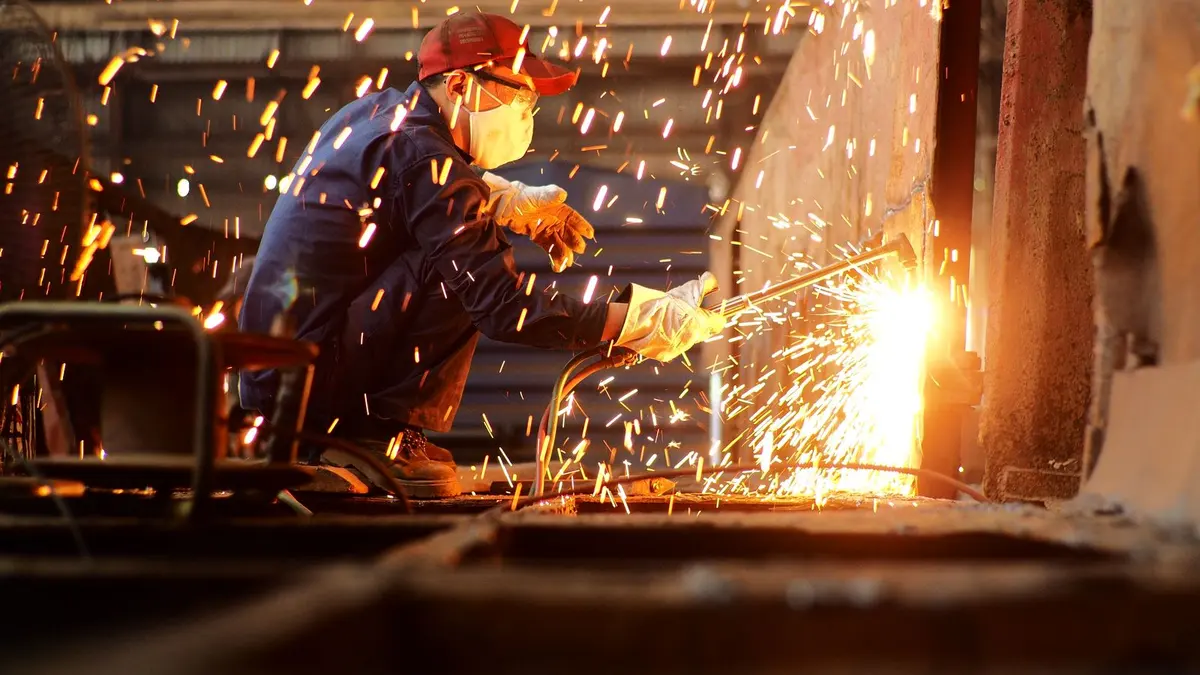
Handles suitable thin stainless-steel work after grade, thickness and folding length are confirmed.
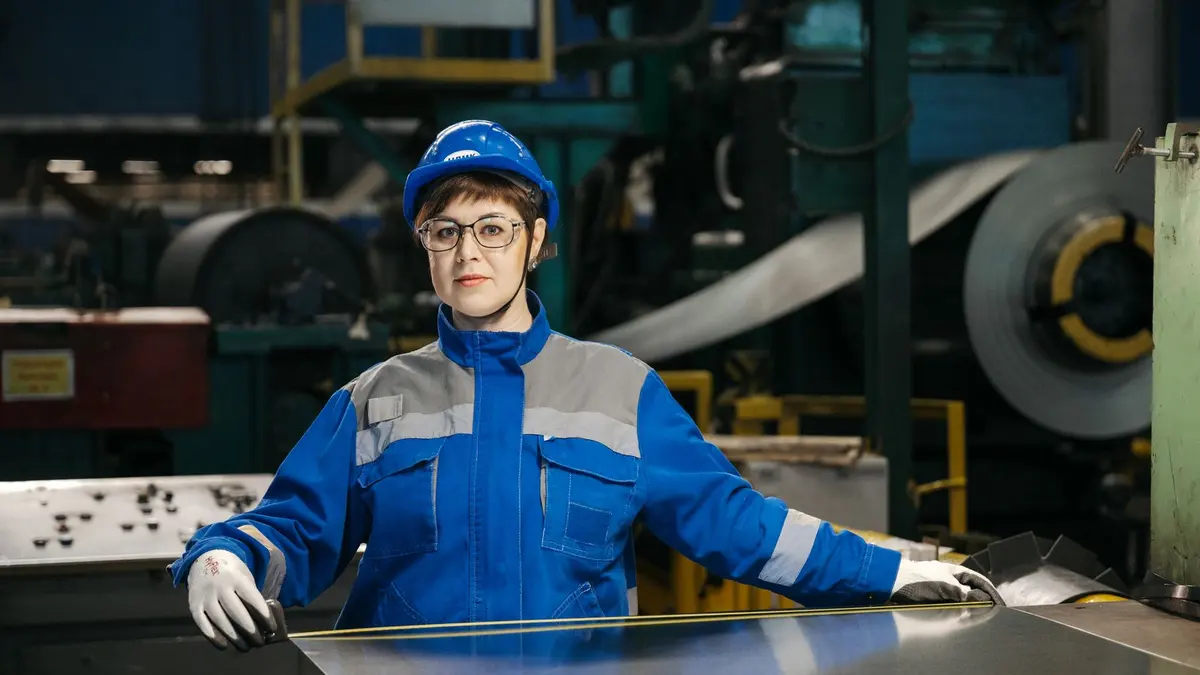
Hydraulic clamping and folding suit long workpieces that need stable support during edge forming.
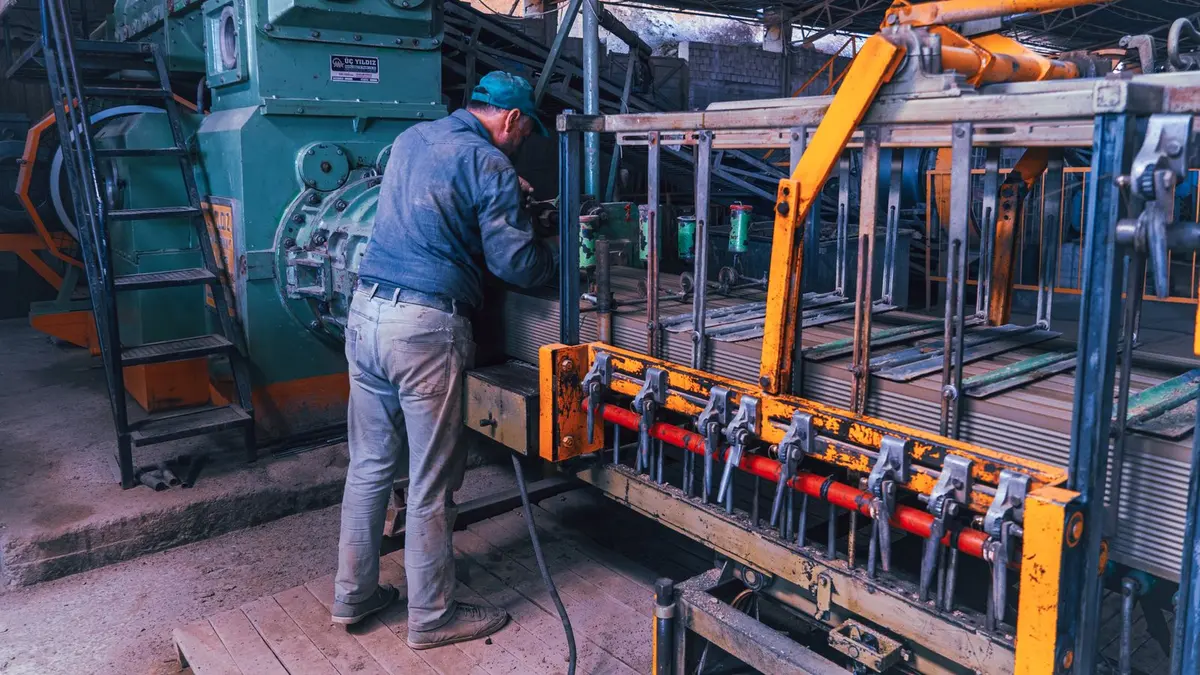
A practical folding station for mixed daily work across suitable materials, lengths and production quantities.
Material Matching
Material strength matters as much as nominal thickness when the machine is selected.
Common for rectangular HVAC ducts and general workshop sheet-metal work.
Suitable within the verified thickness and length of the selected HWS model.
Requires capacity confirmation because its material strength affects workable thickness.
Review alloy, thickness, bend radius and folding length before configuration.
Used in suitable roofing, enclosure and architectural trim applications.
Match material strength, folding length, angle and machine configuration together.
The suitable thickness depends on material strength, bending length, folding angle and machine configuration. Please confirm your material, thickness and bending requirement before quotation.
Power System
Hydraulic drive is selected when the work calls for stronger clamping, longer supported parts or a more demanding production rhythm than lighter drive systems.
Hydraulic power provides stronger and more stable clamping than purely manual operation for suitable longer or higher-load work.
The system is suited to longer sheet-metal parts and repeated workshop folding after the production requirement is confirmed.
A hydraulic valve system controls the machine's clamping and folding sequence without unsupported pressure or pump claims.
Hydraulic oil condition, cooling requirements and routine inspection matter for dependable long-term operation.
Before quotation, provide material, thickness, bending length, folding angle and daily production frequency.
Production Flow
A clear six-step sequence helps the folder fit into the surrounding fabrication process.
Cut the sheet to the required size before folding.
Position the sheet by flange size, duct-panel size or folding line.
Use hydraulic force to secure the sheet before folding.
The folding beam completes the required edge-bending operation.
Check the result and adjust it to the required part angle.
Continue to locking, beading, flanging, riveting, welding, assembly or installation.
Machine Advantages
Provides stable sheet holding for suitable long-edge folding work.
Suitable for longer workpieces when the model, thickness and material are correctly matched.
More suitable than purely manual operation for frequent routine folding.
Practical for rectangular duct-panel edges within the verified machine capacity.
The sheet remains supported while the folding beam rotates through the forming step.
Works alongside shearing, beading, lock forming and TDF flange-forming equipment.
A practical choice when manual, pneumatic or electric folding no longer matches the load.
Objective Selection
Each machine type has a suitable production range. Compare the process first instead of treating one drive system as universally better.
| Comparison item | Manual Folding Machine | Electric Folding Machine | Pneumatic Folding Machine | Hydraulic Folding Machine | Press Brake |
|---|---|---|---|---|---|
| Power source | Human-operated | Electric motor drive | Compressed air | Hydraulic power | Hydraulic or servo-hydraulic |
| Suitable production volume | Small batches and varied work | Small-to-medium repeated work | Repeated duct and thin-sheet work | Medium-to-high-frequency workshop work | Batch and complex bending production |
| Operation effort | Highest direct manual effort | Powered folding reduces effort | Air-driven repeated action | Powered clamping and folding | Powered ram and tooling operation |
| Folding capacity | Basic light-gauge folding | Routine thin-sheet folding | Repeated thin-sheet duct folding | Higher-load thin-sheet and long-edge folding | Thicker plate and tooling-based bending |
| Suitable sheet length | Selected short-to-long models | Selected workshop lengths | Selected duct-panel lengths | Well suited to longer supported workpieces | Depends on bed length and tonnage |
| Cost level | Lower-complexity equipment | Powered equipment level | Machine plus compressed-air supply | Higher hydraulic-system complexity | Higher tooling, control and machine investment |
| Recommended use | Site work, small batches and limited budgets | Daily thin-sheet edge folding | Duct workshops with an existing air supply | Long sheets, higher loads and stable clamping | Thicker material, complex angles and press tooling |
Matched Workflow
The hydraulic folding machine is not only a single machine, but also a practical supporting machine in a complete sheet metal or HVAC duct fabrication workflow.
Cuts the sheet to blank size before positioning and folding.
02Adds reinforcement beads to suitable duct panels.
03Forms the lock profile used to connect rectangular duct sections.
04Forms integrated flange edges for a TDF duct workflow.
05Creates duct-panel folds, long bends and suitable thin-sheet hems.
06Closes the prepared seam after panel forming and assembly.
07Handles thicker material or tooling-based complex bends.
Configuration Guide
A reliable quotation starts with the workpiece and production load, not only a machine model name.
Sheet material
Maximum sheet thickness
Maximum bending length
Required folding angle
Flange size
Flat sheet folding or duct sheet folding
Daily production quantity
Required clamping force or production load
Workshop voltage
Need hydraulic cooling system
Need to match with shearing machine, beading machine, lock former or TDF flange machine
Verified Data
The original confirmed HWS model values are preserved below. Units are separated visually to keep every heading connected and readable.
| Model | Processing Plate Thicknessmm | Maximum Folding Widthmm | Motor PowerkW | Machine Weightkg | Overall Dimensions |
|---|---|---|---|---|---|
| HWS-2 x 1300 | 2 | 1300 | 3 | 1400 | 2150 x 1100 x 1450mm |
| HWS-2 x 1600 | 2 | 1600 | 3 | 1600 | 2450 x 1100 x 1500mm |
| HWS-2 x 2000 | 2 | 2000 | 4 | 2000 | 2850 x 1100 x 1500mm |
| HWS-2 x 2500 | 2 | 2500 | 5.5 | 2200 | 3350 x 1150 x 1500mm |
| HWS-3 x 1600 | 3 | 1600 | 5.5 | 1900 | 2450 x 1100 x 1500mm |
| HWS-3 x 2000 | 3 | 2000 | 7.5 | 2200 | 2850 x 1150 x 1500mm |
| HWS-4 x 1600 | 4 | 1600 | 7.5 | 2000 | 2450 x 1150 x 1500mm |
Final specifications depend on sheet material, thickness, bending length, hydraulic configuration and selected machine structure.
FAQ
Practical answers for capacity confirmation, material matching and workflow planning.
It uses hydraulic power to clamp and fold thin sheet metal. Typical uses include long-edge bending, duct-panel folding, architectural sheet metal and workshop forming.
Typical materials include galvanized sheet, mild steel, thin stainless steel, aluminum and color steel. Capacity depends on strength, thickness, folding length and machine specification.
Yes. It can fold rectangular duct panels and work with shearing, beading, lock forming, TDF flange forming and seam-closing equipment.
Pneumatic folders suit thin sheet and workshops with an air supply. Hydraulic folders provide stronger clamping and are better matched to longer sheets or higher-load requirements.
Electric folders suit routine thin-sheet work. Hydraulic folders are selected for longer workpieces, higher loads and more stable clamping requirements.
A press brake is suited to thicker plate, complex angles and tooling-based bends. A hydraulic folder is more direct for supported thin-sheet long-edge folding, duct panels and hems.
It can process suitable thin stainless steel, but workable thickness is affected by grade and strength. Confirm the material, thickness, folding length and selected model.
Provide material, thickness, bending length, angle, application, daily quantity, voltage, companion machines and destination country or port.
Working length, hydraulic configuration, angle range and support arrangement can be reviewed against the application. Final availability depends on the engineer-approved configuration.
Send your sheet material, thickness, bending length, voltage and application. We will recommend a suitable hydraulic folding machine configuration for your workshop.