Single-table loading takes too much waiting time
With two working platforms, material can be loaded or finished parts removed from the standby table while the other table remains in the cutting area.
Product Directory
Rectangular Duct Seam Closing Machine
Sheet Metal Notching Machine
Auto Duct Production Line
Round Duct Elbow Making Machine
Duct Beading Machine
Angle Iron Flange Rolling Machine
Spiral Duct Production Line
Language
High-efficiency sheet metal laser cutting solution with dual exchange platforms.
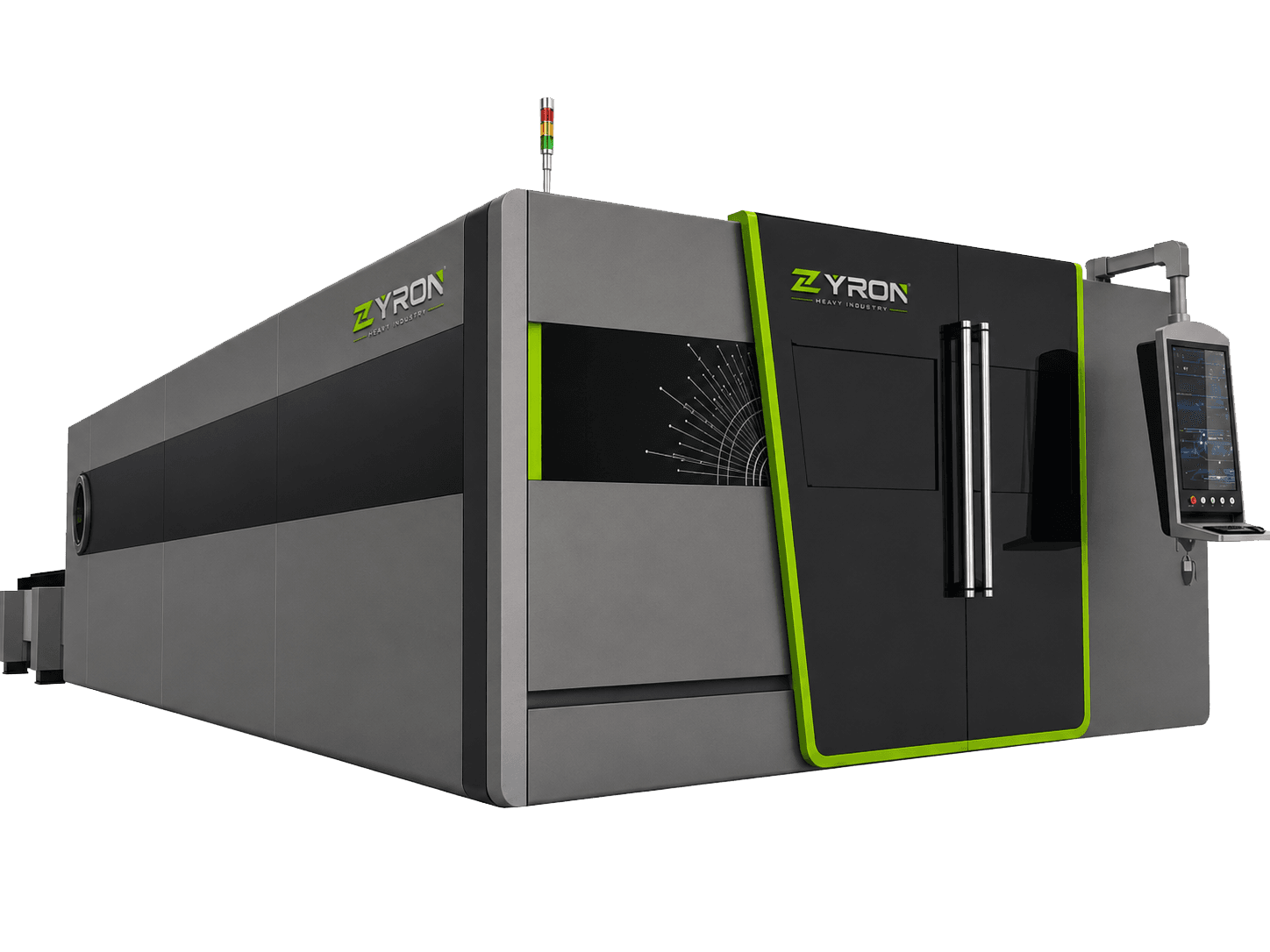
An exchange-table fiber laser cutting machine designed for continuous sheet metal cutting, higher workshop productivity and batch fabrication. The dual-platform structure allows loading and unloading on one table while the other table is cutting, helping workshops reduce waiting time and improve daily production flow.
01 / PRODUCTION CHALLENGES
Evaluate the production bottleneck before selecting power, working area or optional equipment.
With two working platforms, material can be loaded or finished parts removed from the standby table while the other table remains in the cutting area.
The alternating-table workflow suits recurring production in fabrication, cabinet, stainless-steel product and general metalworking workshops.
Fiber laser cutting supports complex profiles, hole patterns, irregular parts and mixed sheet jobs when the process is correctly configured.
Cut parts can continue to bending, rolling, welding, polishing, surface treatment and final assembly.
An exchange-table machine can improve cutting continuity without implying a separate material-storage or loading system that is not included in the confirmed configuration.
02 / SOLUTION POSITIONING
Three common production contexts show where alternating tables bring practical workflow value.
03 / REAL INDUSTRY CONTEXT
Ten real production scenes show where exchange-table sheet cutting can support a broader fabrication process.
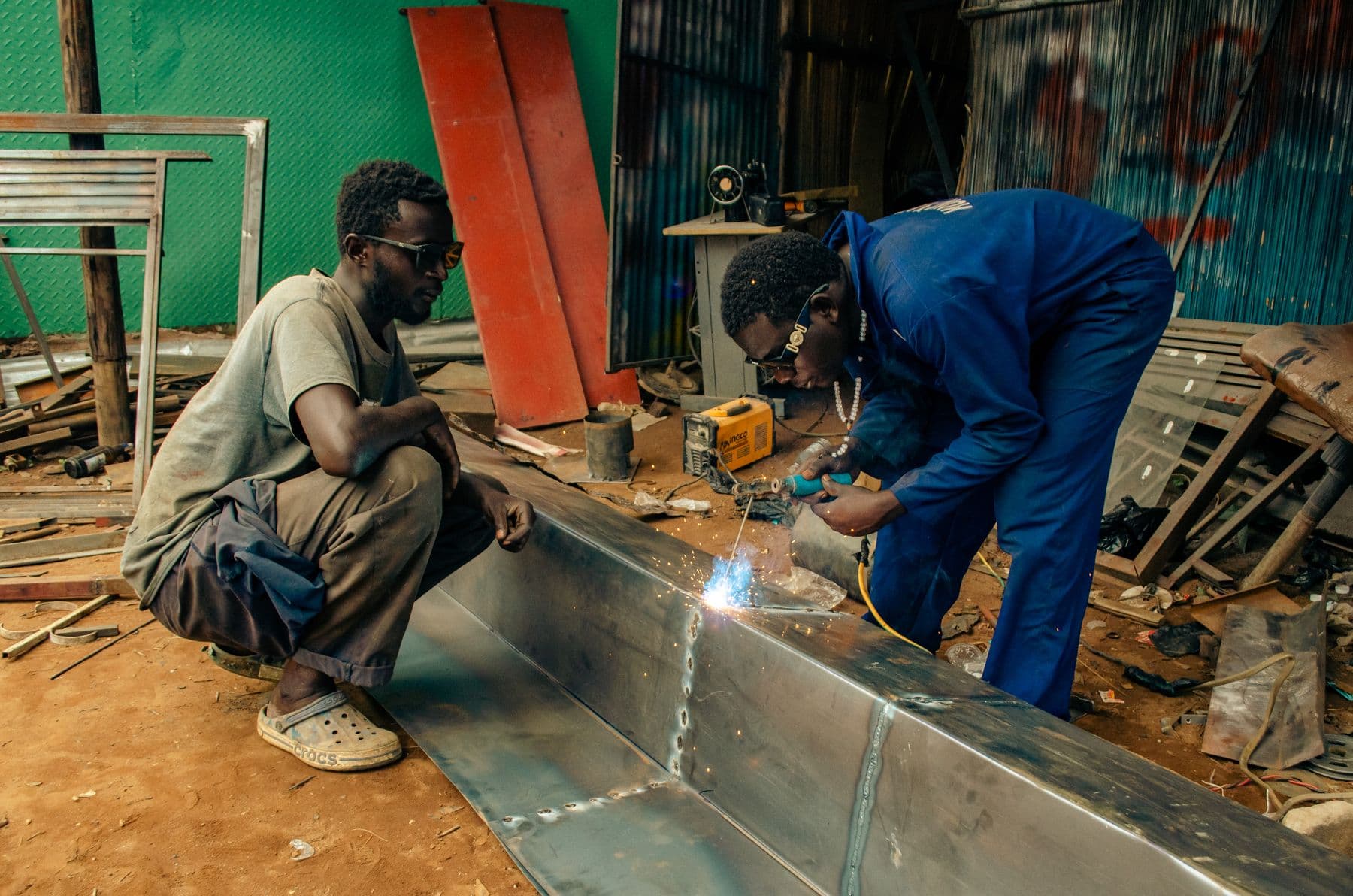
Supports repeatable cutting of profiles, holes and mixed sheet-metal parts for daily fabrication work, subject to the selected configuration.
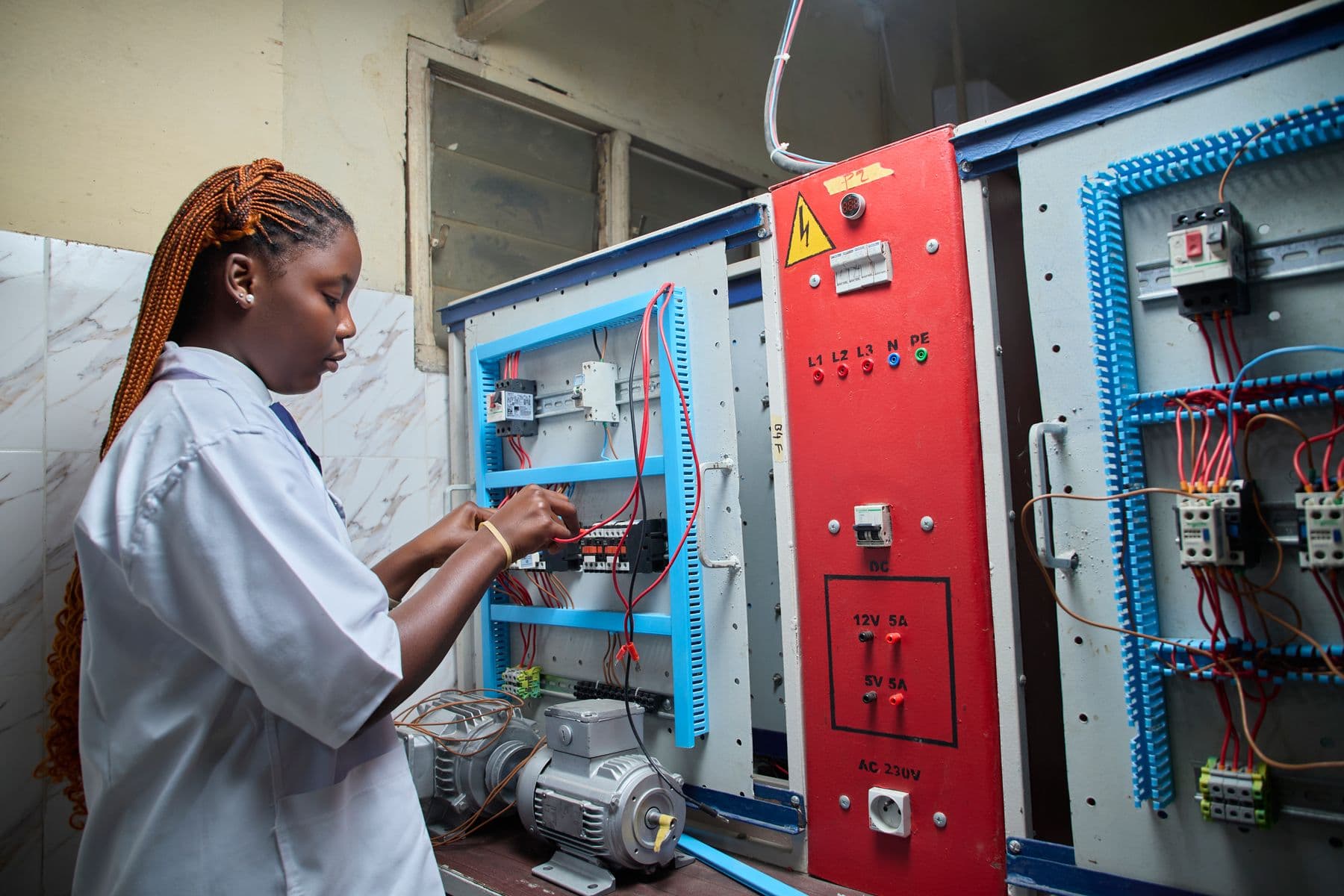
Suitable for cabinet panels, control-box openings and enclosure components that move on to bending and assembly.
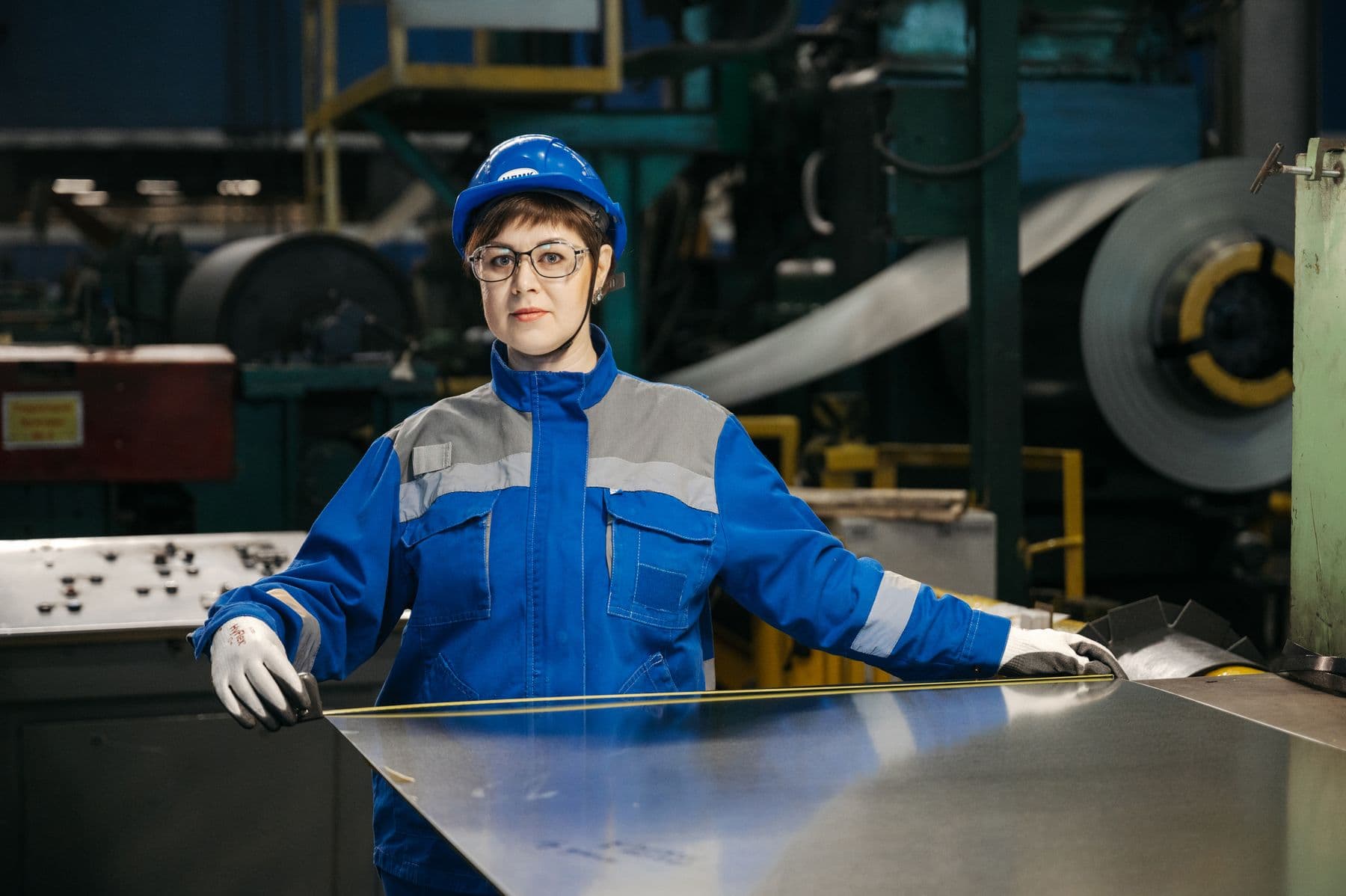
Cuts stainless-steel product blanks and appearance parts when power, gas and edge requirements are correctly matched.
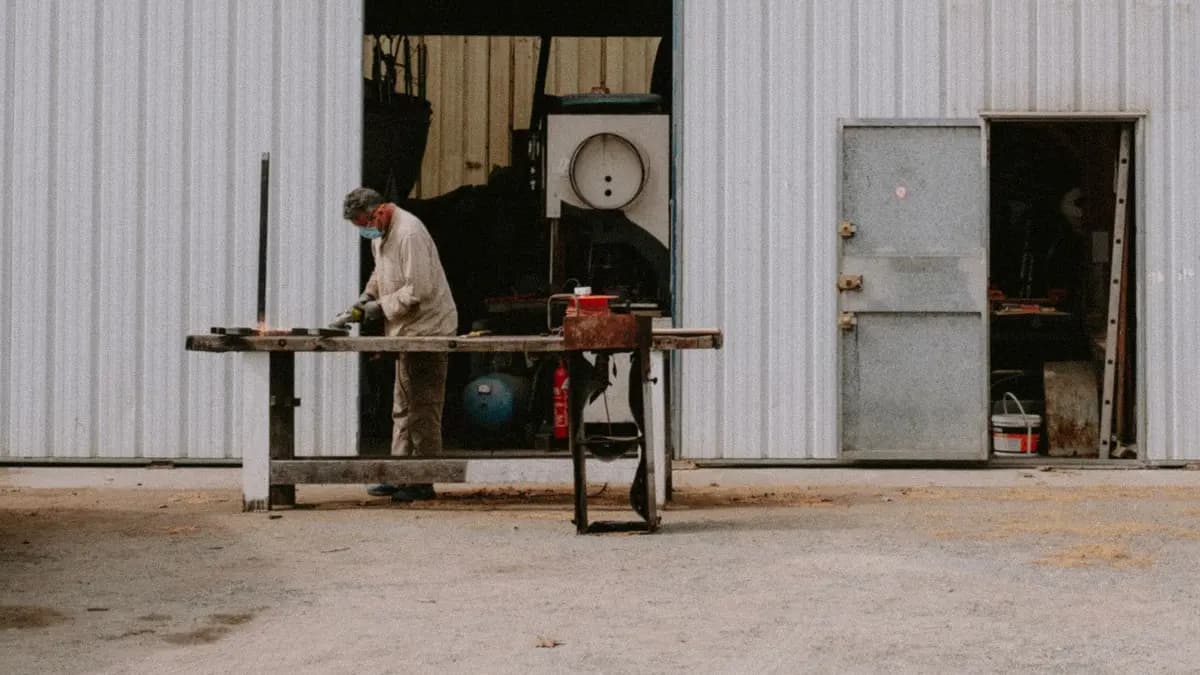
Prepares panels, openings and shaped parts for commercial kitchen fabrication before forming and welding.

Handles varied outlines, lettering components and mounting features for metal sign production, depending on material choice.
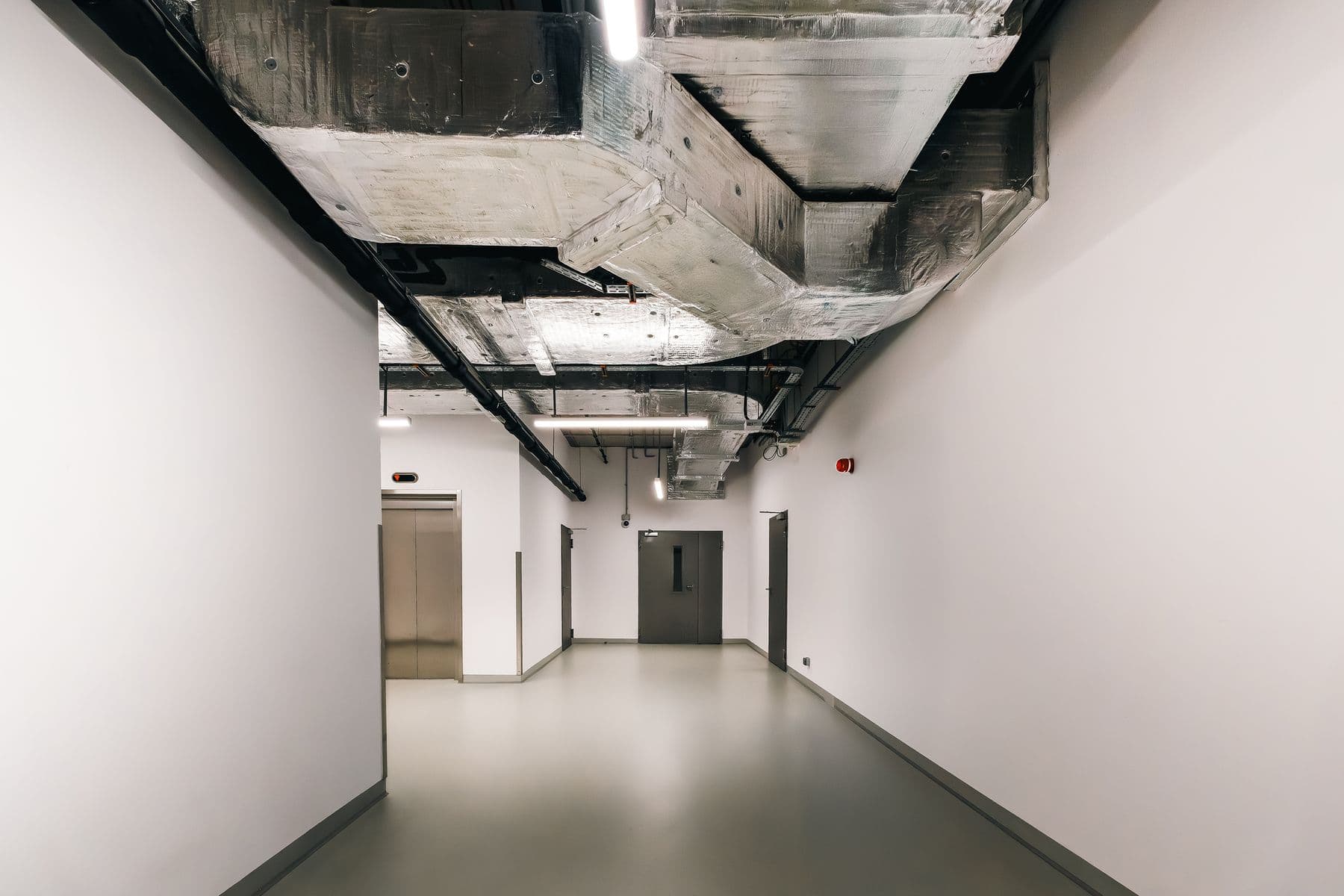
Prepares flat duct parts, flanges and ventilation components for subsequent forming and connection processes.
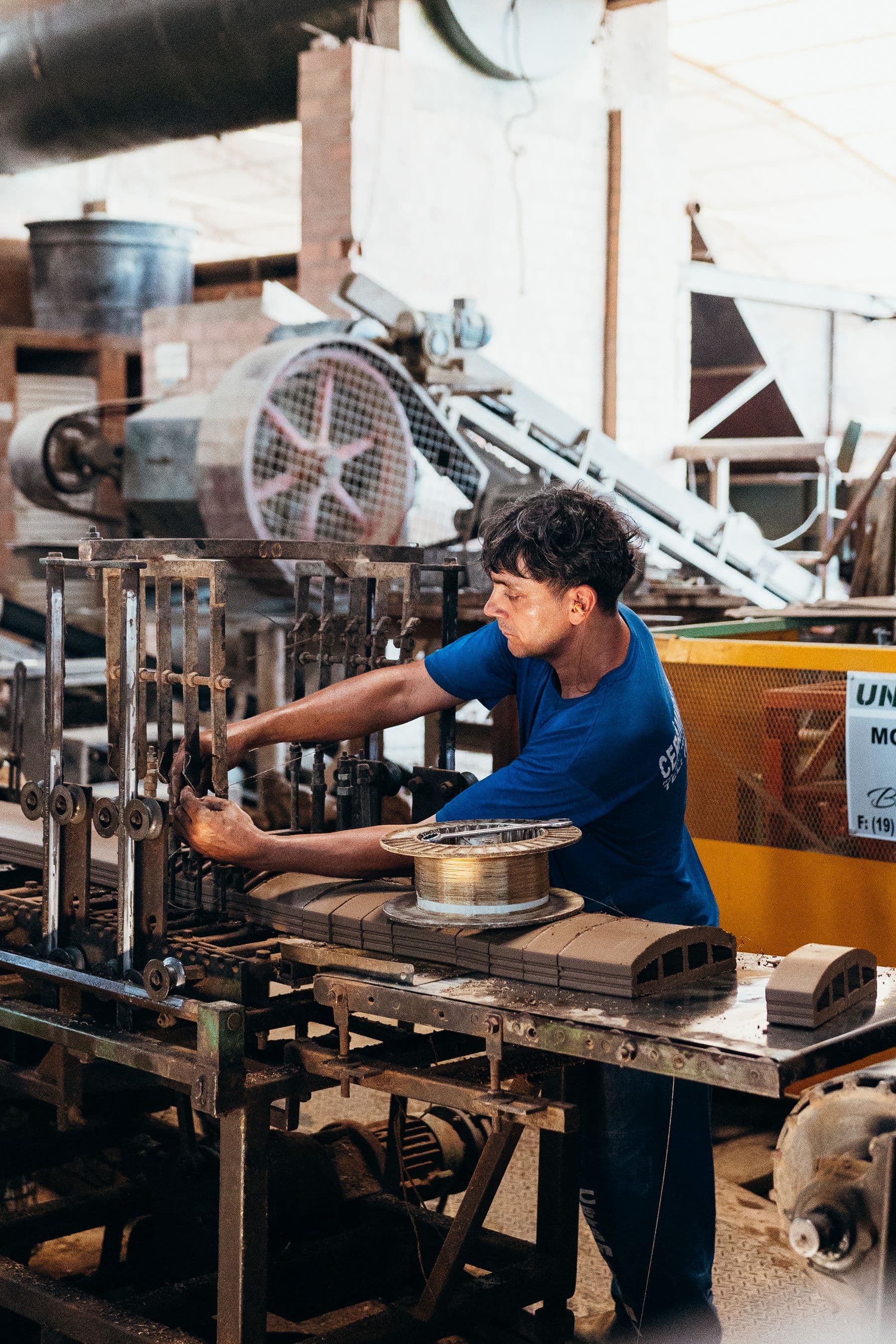
Cuts covers, brackets, guards and structural sheet components for machinery-building workflows.

Prepares architectural sheet parts and profile-related panels for door, window and façade fabrication.
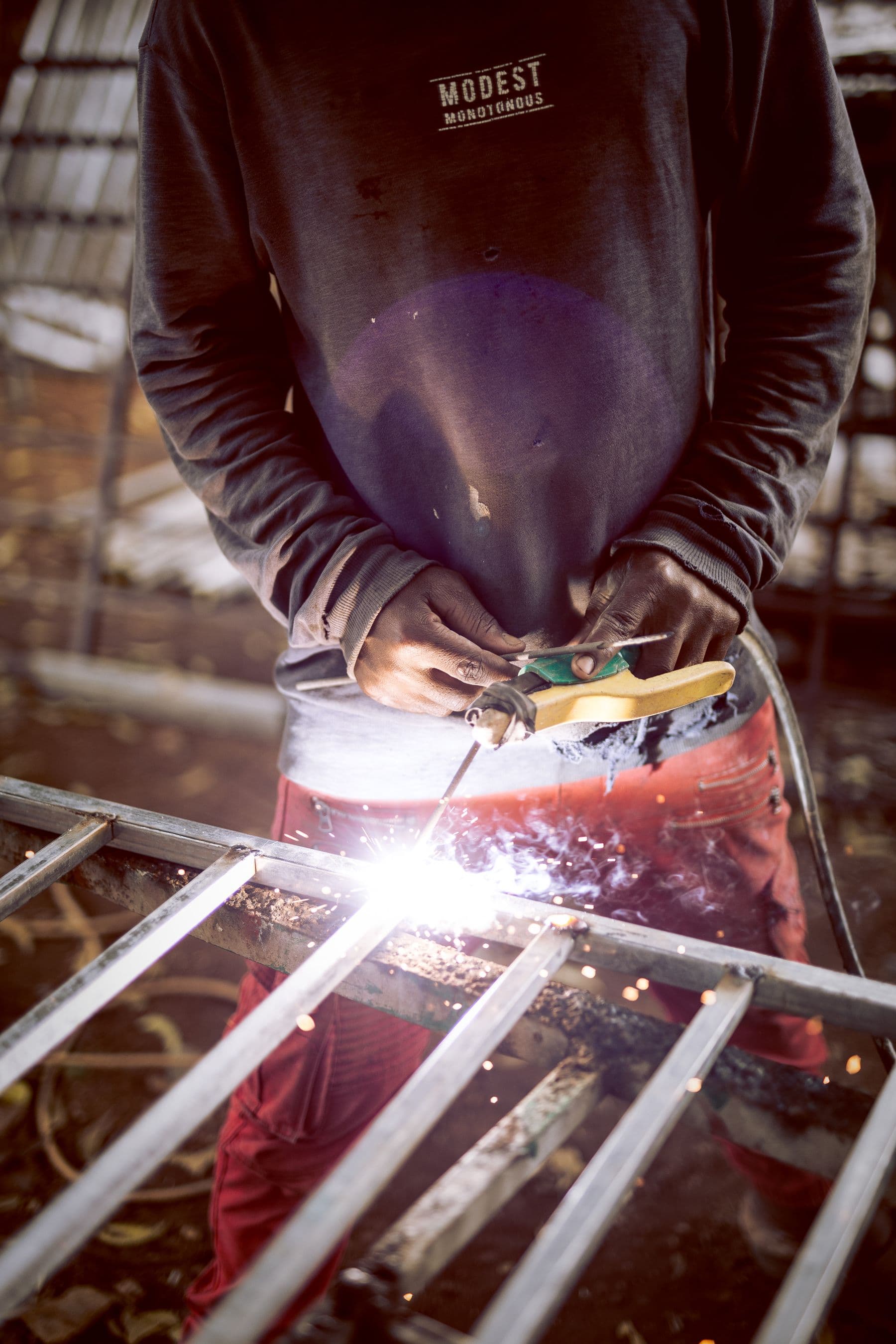
Supports repeatable cutting of connection plates, brackets and related sheet components within the configured cutting range.
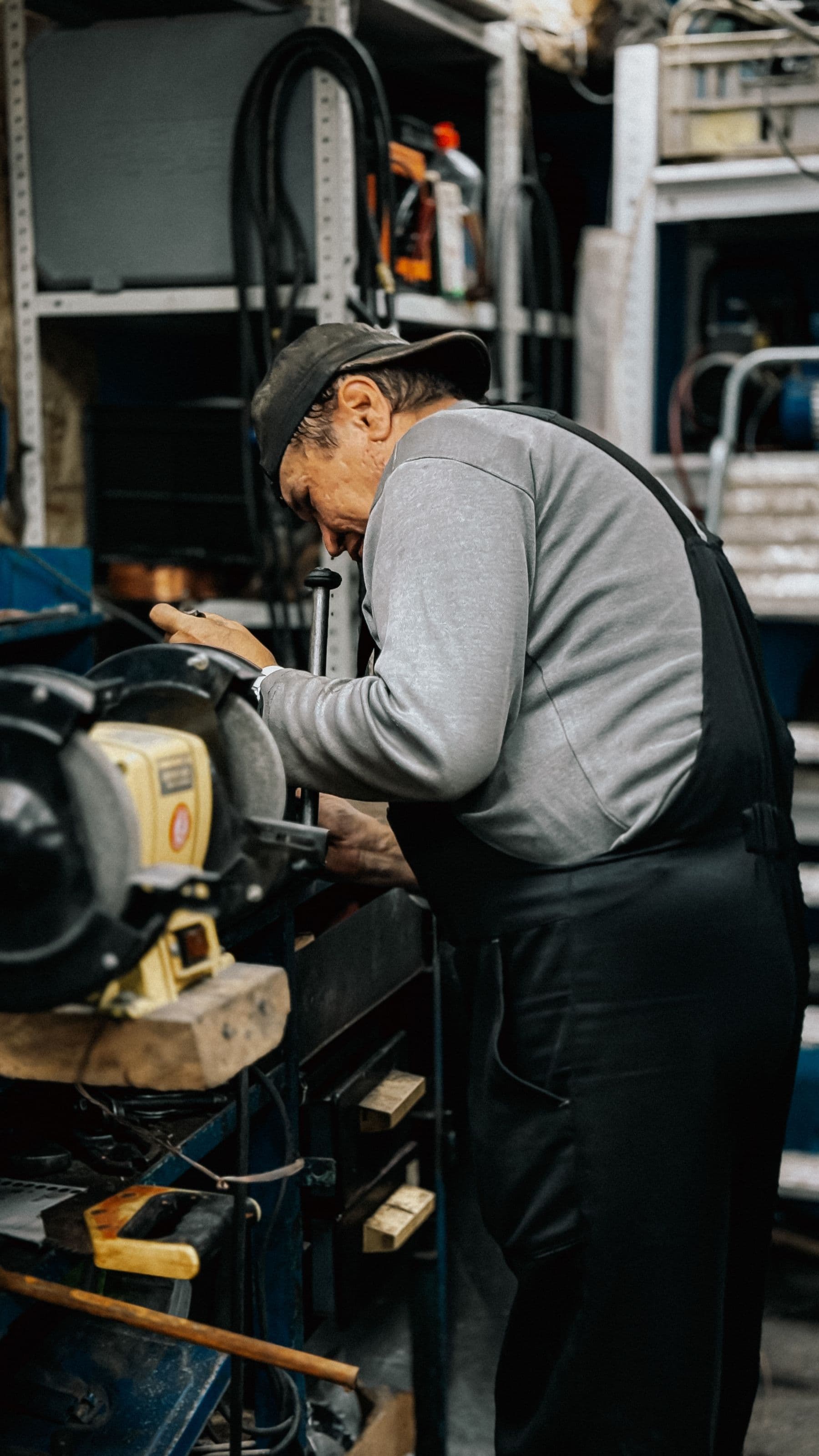
A practical front-end cutting platform for mixed orders, batch blanks and varied workshop production.
04
The suitable cutting thickness depends on laser power, material type, cutting gas, cutting speed, cutting quality requirement and machine configuration. Please confirm your material and cutting requirement before quotation.
05 / CUTTING PROCESS
A practical seven-stage route from drawing preparation to the next fabrication process.
Import DXF or compatible cutting files according to the nesting software and control system.
Load the metal sheet on the standby exchange table while the other table is cutting.
Set laser power, cutting speed, focus, gas type and pressure according to material and thickness.
The fiber laser system cuts flat sheet metal into required contours, holes and profiles.
The working tables exchange positions so the next cutting cycle can continue with less non-cutting time.
Remove finished parts and scrap from the table outside the cutting area.
Continue with bending, rolling, welding, polishing, surface treatment or final assembly.
06 / DUAL-PLATFORM PRINCIPLE
The exchange mechanism organizes cutting and preparation as two alternating positions. It does not by itself mean that a separate material-loading system is included.
Standby table
Cutting table
One platform can be prepared outside the cutting zone.
The second platform supports the active cutting cycle.
Exchange time: Please confirm with our sales engineer
07 / CONFIGURATION LOGIC
Laser power: Customizable / Please confirm with our sales engineer
Thinner sheets generally require less laser power than thicker plate.
Thicker material or higher cutting-speed targets may require a different power configuration.
Stainless steel, aluminum, copper and brass can require different laser and cutting-gas choices.
Edge requirement, cutting quality and production speed should be evaluated together.
Final selection depends on material, maximum thickness, common thickness, cutting quantity and budget.
08 / PROCESS SELECTION
Final gas selection should balance material, thickness, edge requirement, machine configuration and operating cost.
Often considered for carbon-steel cutting depending on material thickness, cutting process and edge requirement.
Can help control oxidation on stainless steel and some non-ferrous metals when the machine and gas system are suitably configured.
May be considered for cost-sensitive cutting tasks depending on material, thickness and acceptable edge quality.
09 / MACHINE VALUE
Dual platforms coordinate preparation and cutting without introducing unsupported machine-detail claims.
Dual exchange platforms for higher cutting continuity
Less waiting during sheet loading and finished-part removal
Suitable for recurring batch sheet-metal cutting
Practical for medium- and higher-output workshops
Supports different metal materials depending on configuration
Flexible cutting of contours, holes and sheet-metal parts
Connects with bending, shearing, rolling and welding processes
More continuous workflow than a single-table machine for repeated jobs
10 / OBJECTIVE COMPARISON
Each structure has a valid place. Select by output, space, material flow and integration needs.
| Compare by | Single-table fiber laser | Exchange-table fiber laser | Material-handling laser line |
|---|---|---|---|
| Working table structure | One cutting table | Two alternating working platforms | Cutting platform with a separately configured material-handling system |
| Loading and unloading | Machine pauses while the working table is cleared and reloaded | Standby table can be prepared while the other table is cutting | Material handling is coordinated by the selected loading and unloading system |
| Investment level | Entry-level production structure | Mid-level productivity upgrade | Higher system investment and integration scope |
| Production continuity | Suitable for moderate output and flexible jobs | Better suited to recurring batches with less table waiting | Designed for highly continuous production when fully configured |
| Automation level | Manual material handling | Table exchange does not by itself include material loading | Higher material-handling automation |
| Workshop space | More compact layout | Requires clear exchange and loading zones | Requires additional storage, handling and safety space |
| Suitable workshop | Small and medium workshops or first-time upgrades | Medium- and higher-output batch fabrication workshops | High-output plants with stable production planning |
| Recommended use | General flat-sheet cutting with controlled investment | Continuous batch cutting with reduced loading interruption | Integrated production where reduced manual handling is a priority |
11 / COMPLETE PRODUCTION ROUTE
The exchange-table fiber laser is a high-efficiency front-end cutting machine that can feed an organized sequence of forming, joining and finishing operations.
Cuts complex profiles, openings and sheet-metal blanks.
Handles straight blanking and simple sheet division.
Forms cut blanks into angles, cabinets and enclosures.
Produces arcs, cylinders and curved sheet components.
Supports pressing, assembly and forming operations.
Joins formed parts into finished structures.
Completes grinding, coating and other finishing stages.
Can be evaluated separately when higher output or reduced handling is required.
12 / REQUIREMENT CHECKLIST
Prepare these inputs so the machine, process and workshop layout can be evaluated together.
13 / ORIGINAL DATA + CONFIRMATION POLICY
Confirmed qualitative values come from the existing product record. Fields without a verified model-specific value stay clearly marked for engineering confirmation.
| Model | Working Area(mm) | Laser Power(kW) | Cutting Material | Maximum Cutting Thickness(mm) | Exchange Table Type | Exchange Time(s) | Positioning Accuracy(mm) | Max Cutting Speed(m/min) | Transmission System | Control System | Cooling System | Machine Size L × W × H(mm) | Machine Weight(kg) | Application |
|---|---|---|---|---|---|---|---|---|---|---|---|---|---|---|
| Exchange-Table Fiber Laser Cutting Machine | Customizable / Please confirm with our sales engineer | Fiber laser power selected by material and maximum cutting thickness | Mild steel, stainless steel, galvanized sheet, aluminum, copper and brass depending on configuration | Customizable / Please confirm with our sales engineer | Dual exchange platforms | Customizable / Please confirm with our sales engineer | Customizable / Please confirm with our sales engineer | Customizable / Please confirm with our sales engineer | Precision guide rails, rack drive, and servo control | Compatible with common CAD/CAM nesting and cutting workflows | Customizable / Please confirm with our sales engineer | Customizable / Please confirm with our sales engineer | Customizable / Please confirm with our sales engineer | Sheet metal processing, Machinery parts, Tube fabrication, Metal furniture |
Final specifications depend on sheet material, thickness, working area, laser power, cutting gas, exchange table system, control system and selected machine configuration.
Laser source
Fiber laser power selected by material and maximum cutting thickness
Cutting format
Sheet, tube, or integrated sheet-and-tube processing
Motion system
Precision guide rails, rack drive, and servo control
Software
Compatible with common CAD/CAM nesting and cutting workflows
14 / INSTALLATION READINESS
Prepare a stable power supply according to the confirmed machine configuration.
Confirm cutting-gas supply and pressure requirements for the selected process.
Plan smoke extraction or dust collection for the workshop layout.
Prepare the cooling system and a clean, level installation area.
Keep sufficient clear space for table exchange, sheet loading and part unloading.
Operators must follow laser-safety instructions and applicable local regulations.
When a protective enclosure is selected, use doors, viewing windows and safety interlocks according to the manufacturer's instructions.
15 / FAQ
Configuration-dependent answers remain conditional until material, thickness and production requirements are confirmed.
It is a fiber laser cutting machine with two working platforms that alternate between cutting, loading and unloading positions. The layout is intended to improve sheet-cutting continuity and workshop production flow.
Depending on the selected laser source, cutting head, gas system and process, it can be configured for carbon steel, stainless steel, galvanized sheet, aluminum, copper and brass. Capability must be confirmed against material and thickness.
A single-table machine uses one working table and offers a simpler production structure. An exchange-table machine uses two platforms, allowing the standby table to be prepared while the other table is cutting, which better suits recurring batches.
It is generally better suited to batch cutting and continuous production than a single-table workflow. Suitability still depends on sheet size, thickness, selected laser power, material handling and shift planning.
It can be configured for stainless steel and aluminum, but the final process depends on material thickness, laser power, cutting gas and the required edge condition.
Confirm the material, maximum and common thicknesses, desired cutting speed, edge requirement, production quantity and budget. A suitable power configuration can then be recommended.
Oxygen, nitrogen or compressed air may be selected according to material, thickness, edge requirement and operating cost. Final gas selection should follow the confirmed cutting process.
No. The exchange table refers to two working platforms that alternate positions. Separate loading, unloading or material-storage equipment is required for a material-handling line and must be confirmed as an additional configuration.
Laser cutting is suited to complex contours, openings and flexible nesting, while a shearing machine is efficient for straight blanking. Many workshops use both according to the part and production plan.
Please provide the material, maximum and common thicknesses, standard sheet size, daily quantity, edge requirement, application, voltage, related equipment needs and destination country or port.
Configuration can be confirmed for working area, laser power, control and cooling systems, extraction, protective enclosure, exchange-table arrangement, voltage and optional material handling, subject to engineering review.
16 / RELATED EQUIPMENT
17 / NEXT STEP
Send your material, thickness, sheet size and production requirement. We will recommend a suitable exchange-table fiber laser cutting machine configuration for your workshop.