01
Traditional cutting methods are slow or rough
Compared with plasma, flame or manual cutting, fiber laser cutting better serves work that needs controlled edge quality and complex contours.
Product Directory
Rectangular Duct Seam Closing Machine
Sheet Metal Notching Machine
Auto Duct Production Line
Round Duct Elbow Making Machine
Duct Beading Machine
Angle Iron Flange Rolling Machine
Spiral Duct Production Line
Language
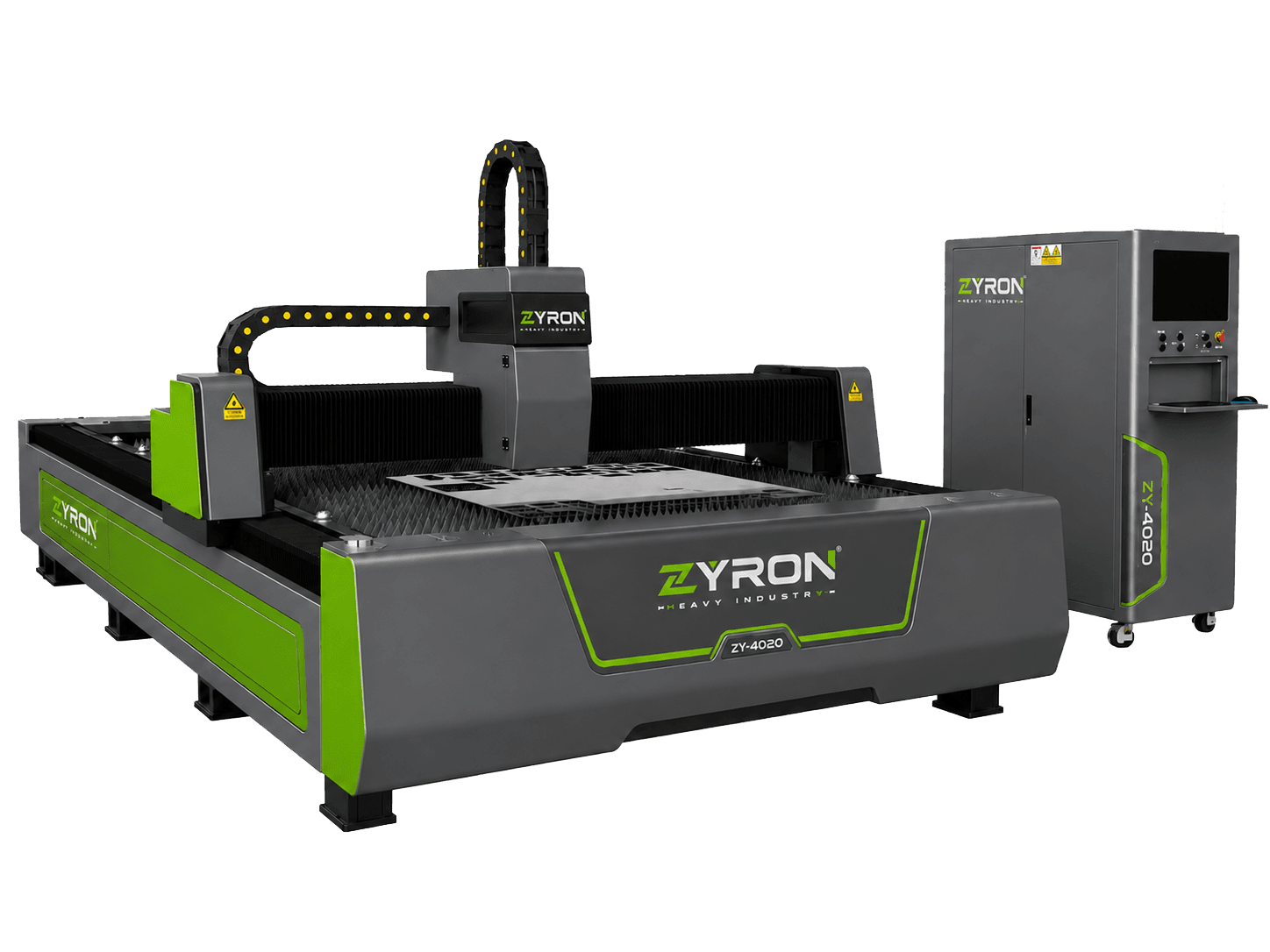
Cost-effective sheet metal laser cutting solution for small and medium fabrication workshops.
A single-table fiber laser cutting machine designed for flat metal sheet cutting, workshop production and practical fabrication use. It helps customers upgrade from traditional cutting methods to fiber laser cutting with a simpler structure, controlled investment and flexible sheet metal processing capability.
Cutting Challenges
01
Compared with plasma, flame or manual cutting, fiber laser cutting better serves work that needs controlled edge quality and complex contours.
02
A single-table structure provides a direct entry route for workshops purchasing their first laser cutter or managing a defined equipment budget.
03
One cutting platform can process different sheet materials, thicknesses and profiles when the laser, gas and parameters are configured correctly.
04
The simpler single-platform layout can suit small and medium workshops that do not require an exchange-table production system.
05
Cut parts can continue to bending, rolling, welding, grinding, coating and final assembly.
Workshop Positions
Choose the machine position around actual production goals, not a generic model label.
Final configuration is matched to material, thickness, sheet size and daily workload.
Nesting, CNC control and suitable handling equipment help organize routine production.
Plan the laser cutter together with downstream machine capacity and part flow.
Real Industry Environments
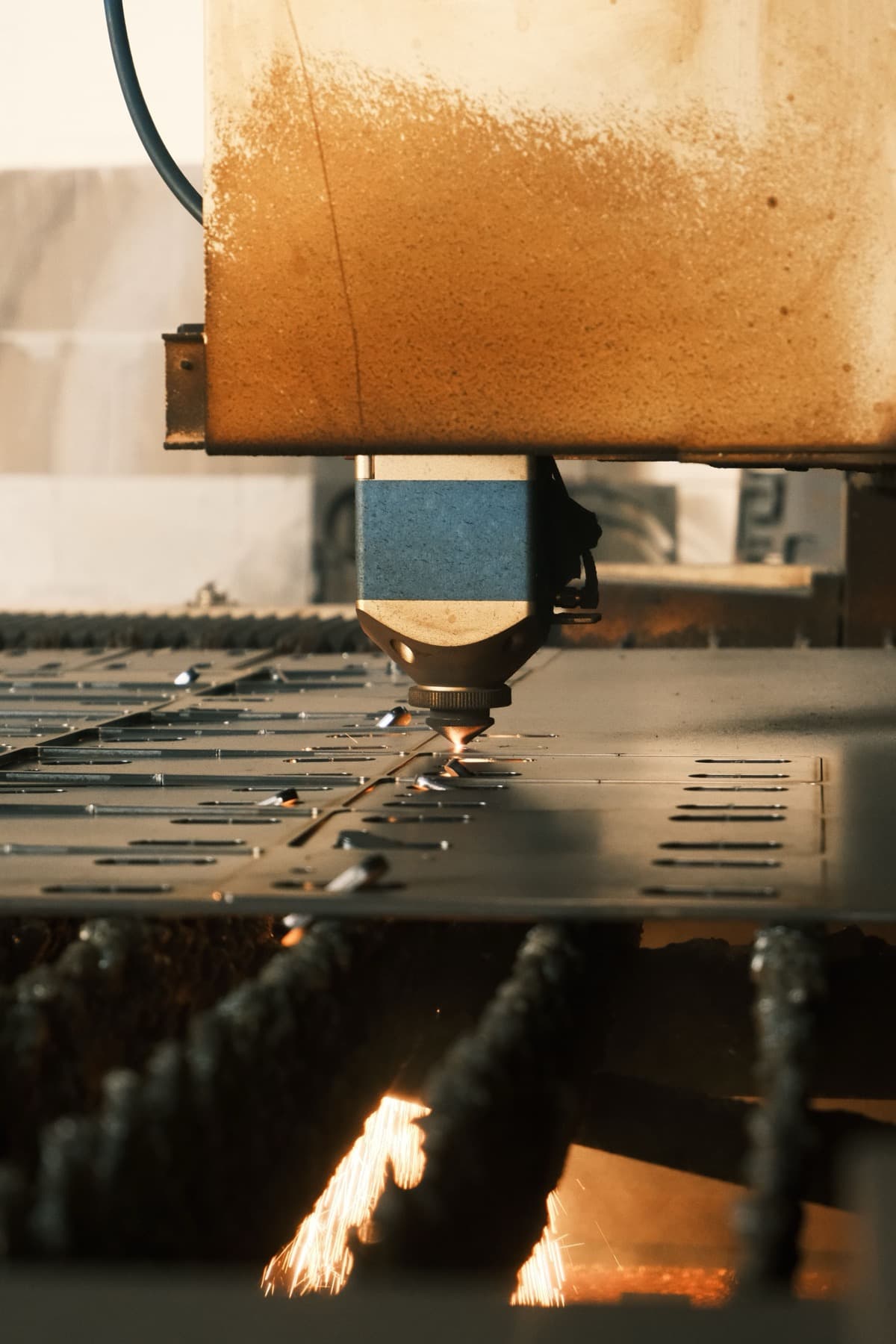
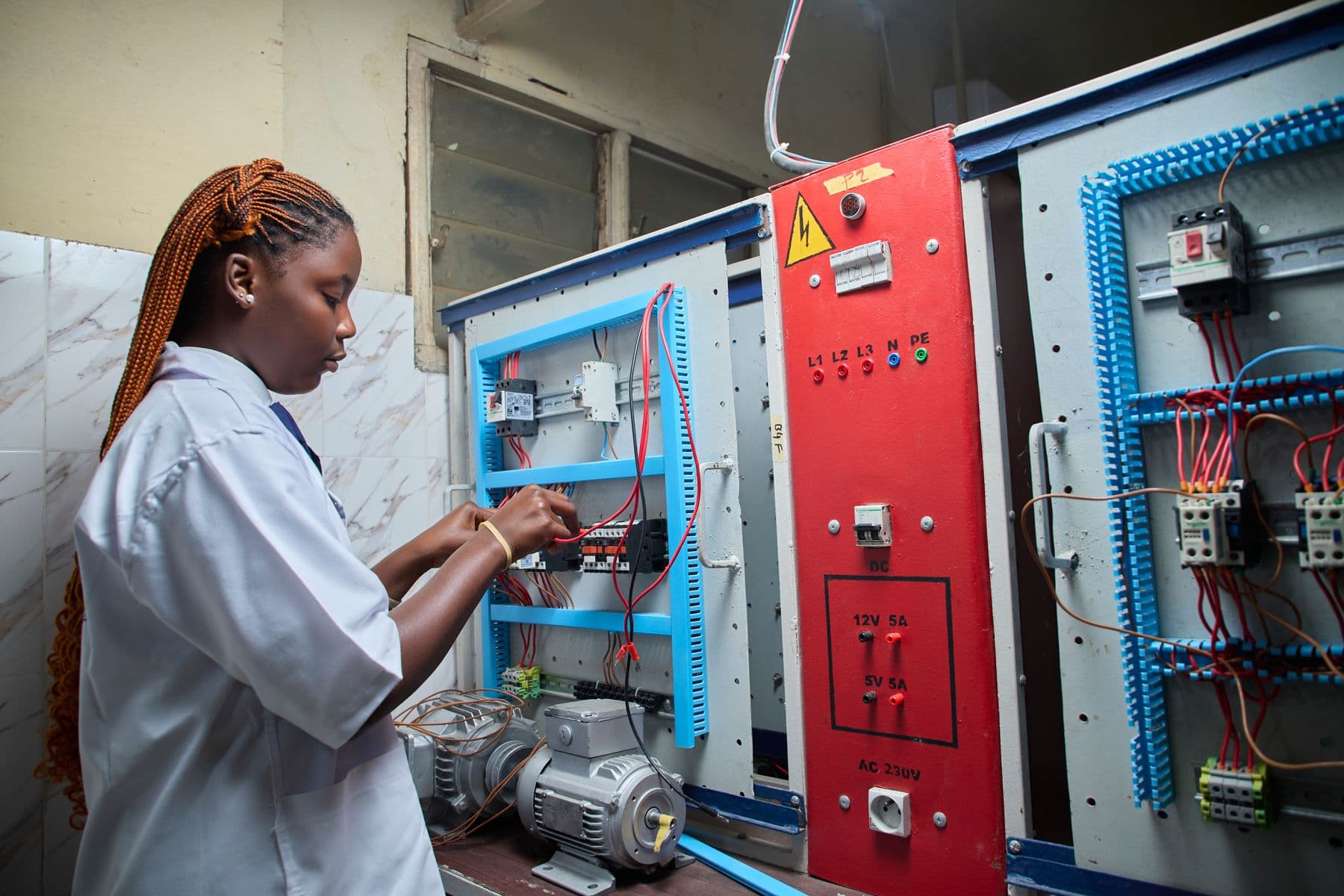
Nine real photographs show representative production environments and downstream products. They are application references, not customer cases or photos of this exact machine.
 01
01Cuts contours, holes and profiles for general fabrication before bending, welding and assembly.
 02
02Supports repeatable cutting of cabinet panels, doors, mounting plates, ventilation openings and brackets.
 03
03Produces letters, logos, decorative profiles and mounting parts from suitable metal sheets.
 04
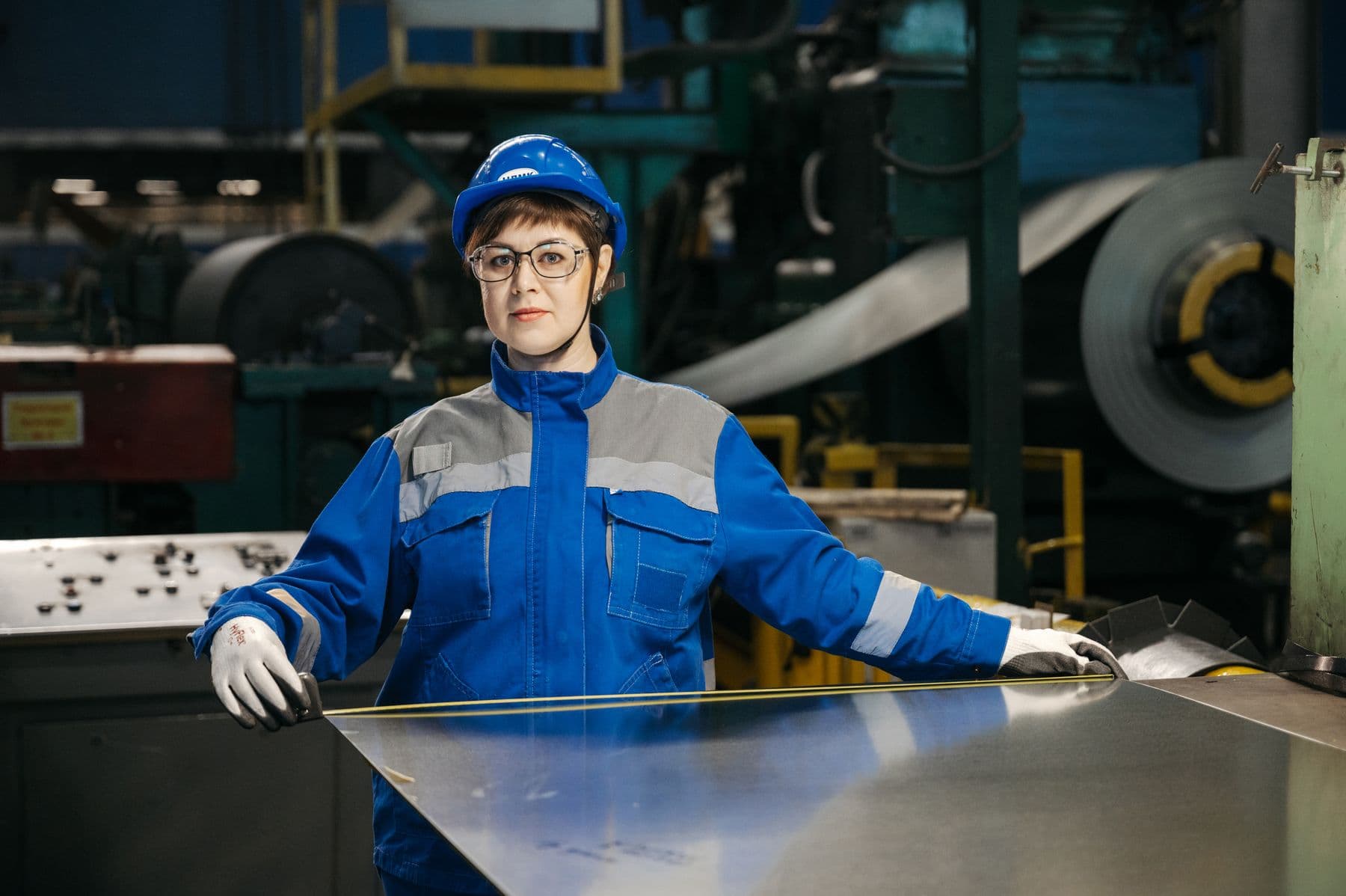
04Processes suitable stainless panels and parts when power, gas and edge requirements are matched to the job.
 05
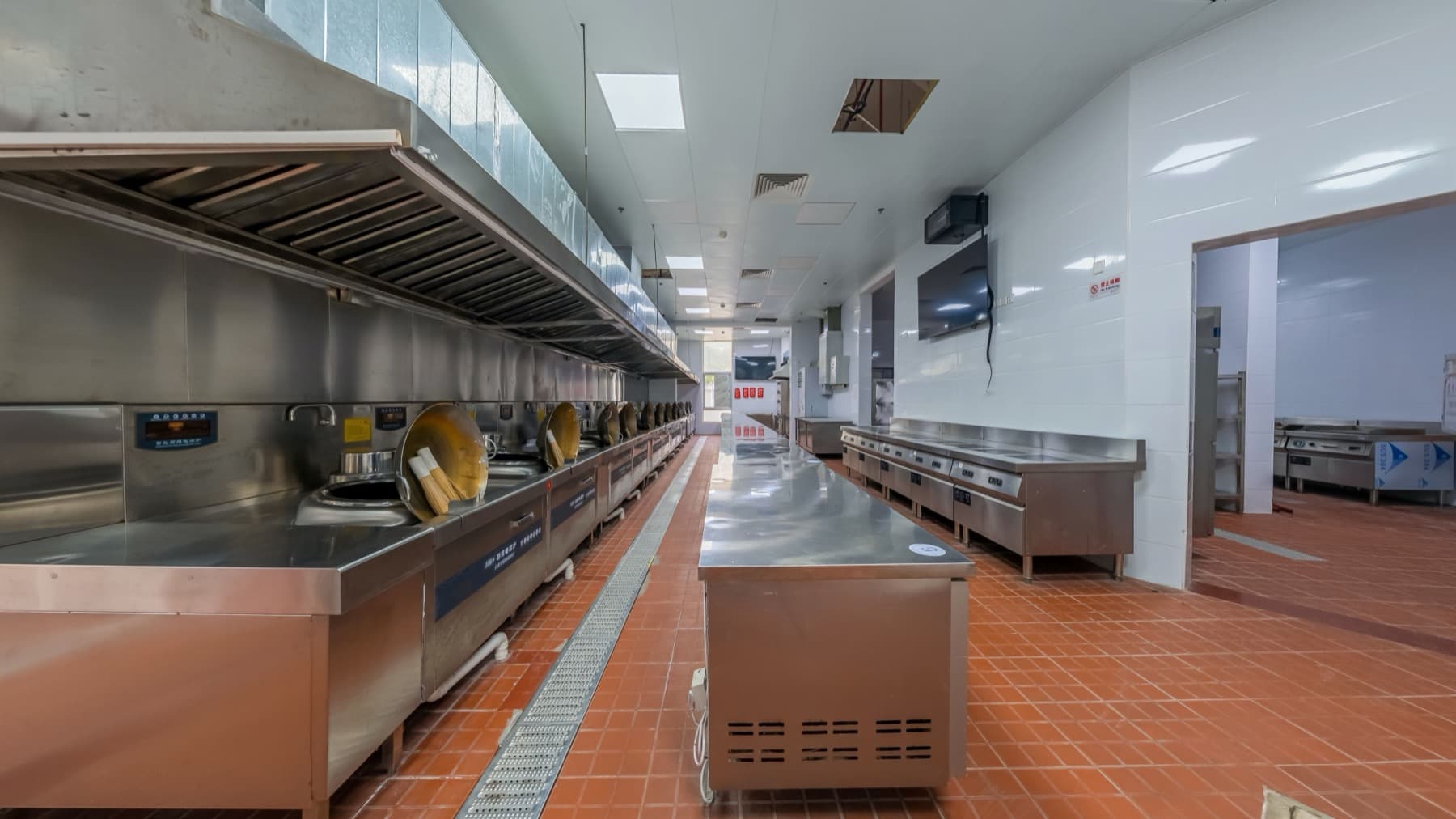
05Prepares stainless panels and components for commercial kitchen equipment, counters and housings.
 06
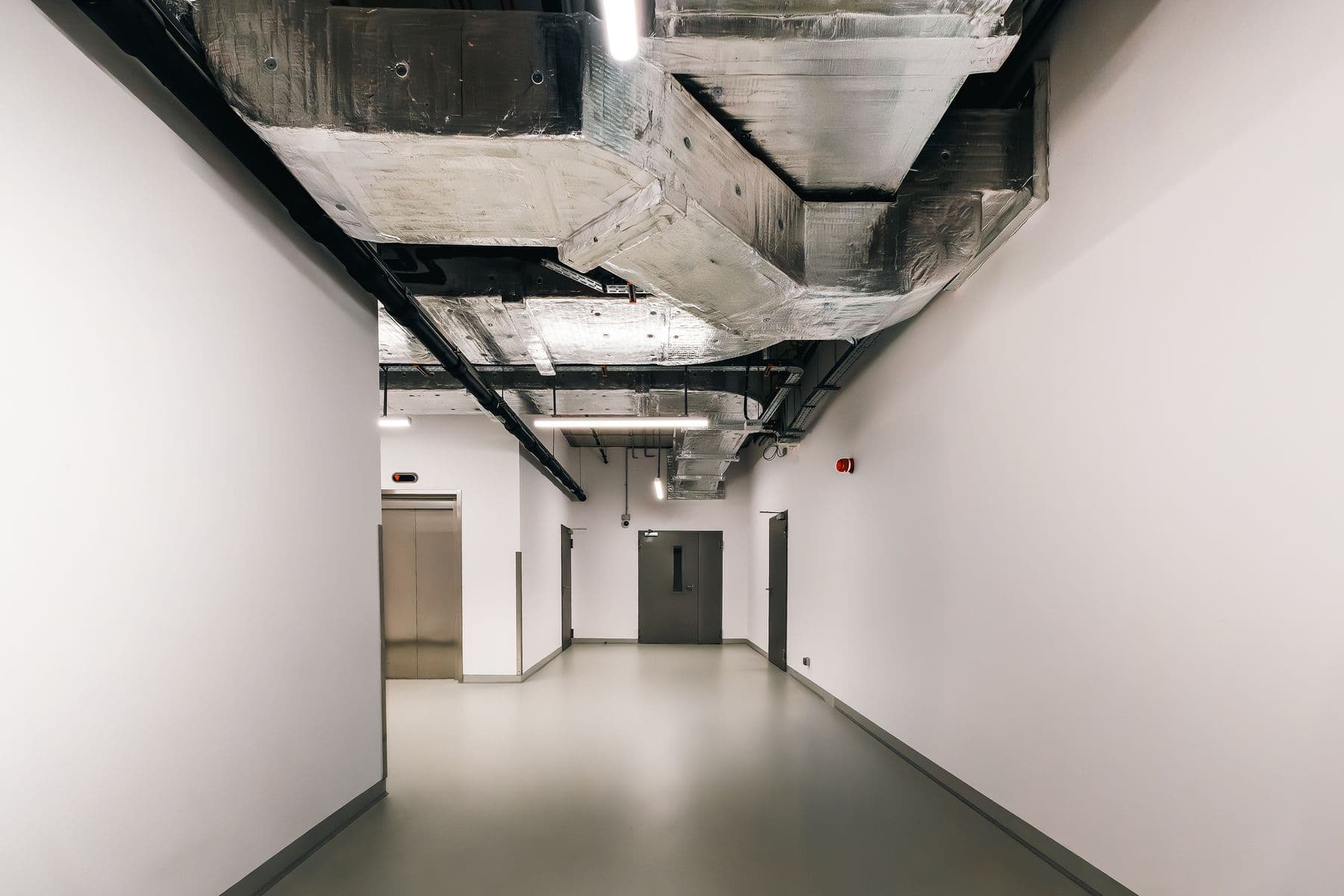
06Cuts flat blanks, flanges, transitions and ventilation components before forming and joining.
 07
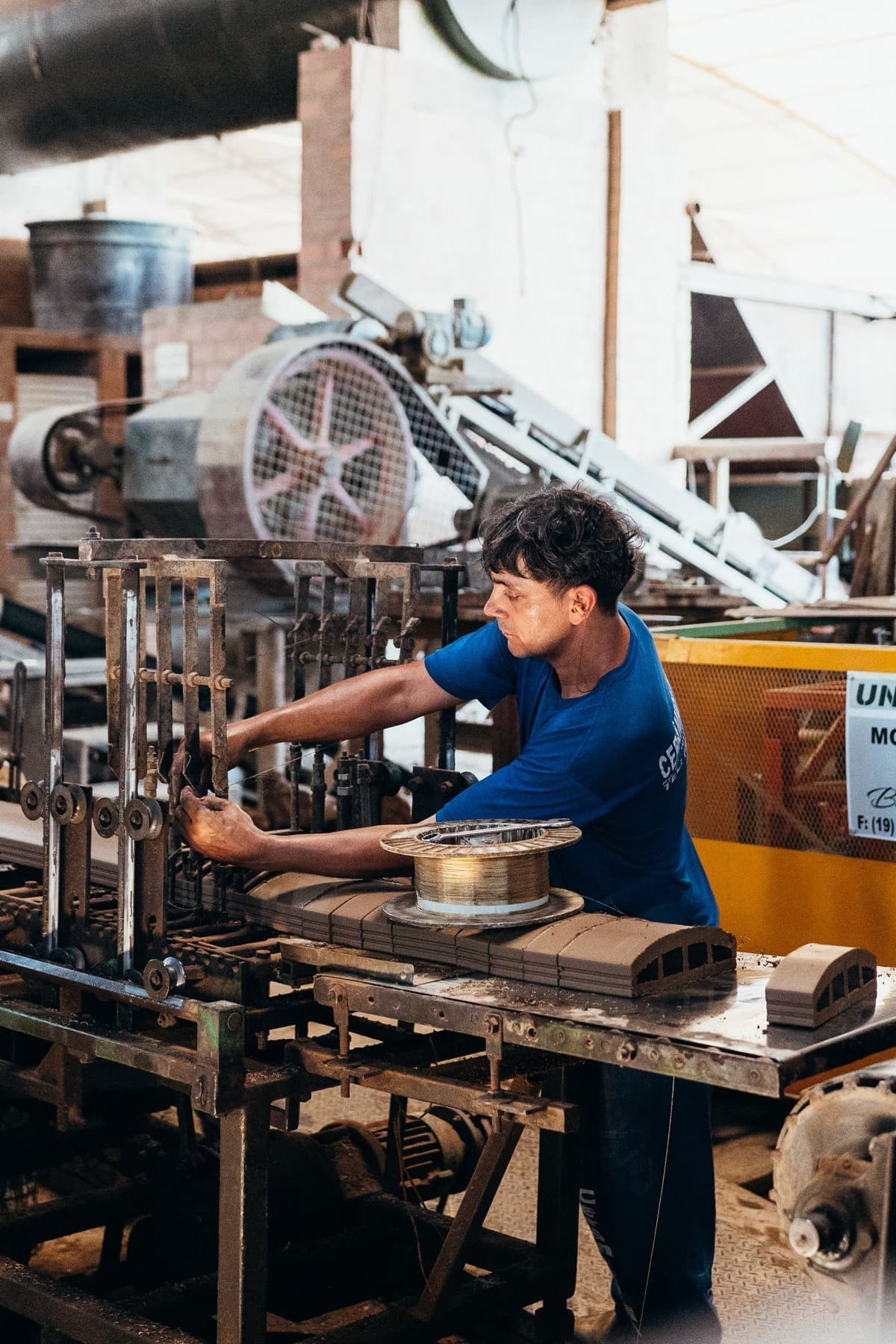
07Supplies guards, covers, brackets and machine parts to a coordinated fabrication workflow.
 08
08Cuts suitable frame inserts, panels, brackets and decorative parts for metal doors and windows.
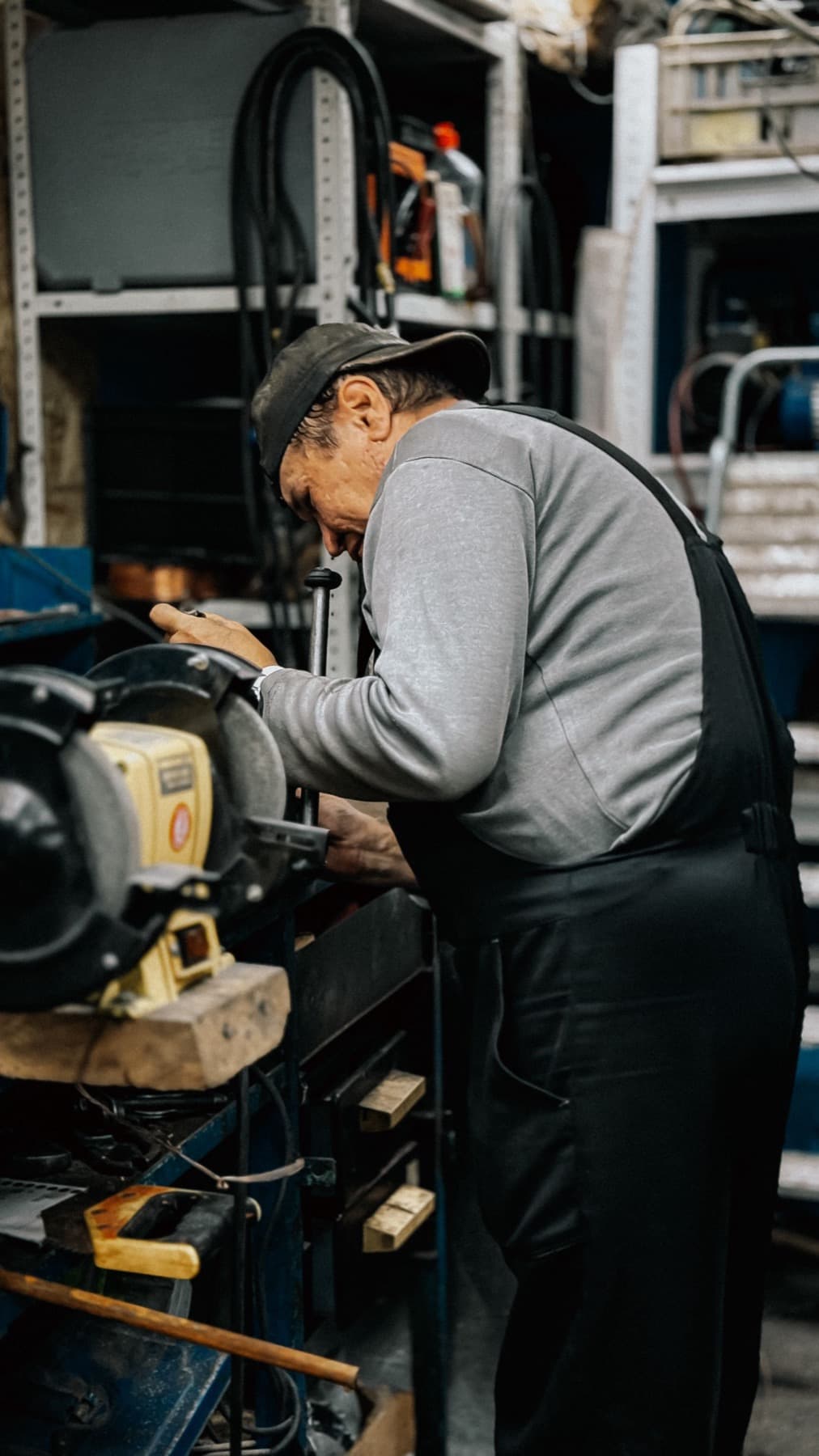 09
09Adds flexible flat-sheet cutting for mixed orders, repair work and daily metal-part production.
Configured Material Capability
The suitable cutting thickness depends on laser power, material type, cutting gas, cutting speed, cutting quality requirement and machine configuration. Please confirm your material and cutting requirement before quotation.
Production Sequence
01
Import DXF or compatible cutting files according to the nesting software and control system.
02
Place the metal sheet on the single working table manually or with suitable lifting equipment.
03
Set laser power, speed, focus, gas type and pressure for the material and thickness.
04
Cut the flat sheet into the required contours, holes and profiles.
05
Remove finished parts and scrap from the working table after cutting.
06
Continue with bending, rolling, welding, polishing, coating or final assembly.
Platform Position
A direct, open platform for flexible flat-sheet production and straightforward daily workflow.
One working platform is used for loading, cutting and unloading.
The structure is simpler than an exchange-table system and easier for an entry-level workshop to understand.
It is positioned for flexible sheet cutting instead of high-volume continuous production.
The open structure makes manual sheet loading and part removal straightforward.
It is a practical choice for small and medium workshops with controlled investment.
Configuration Guide
Material, thickness, output and edge expectations determine the suitable source configuration.
Thinner sheets typically need less power; thicker plate or higher throughput can require more.
Stainless steel, aluminum, copper and brass can require different power and gas choices.
Edge finish, production speed, part geometry and operating budget should be assessed together.
Laser power
Customizable / Please confirm with our sales engineer
Process Selection
Often considered for carbon steel depending on thickness, process and edge requirements.
Can help manage oxidation on stainless steel and some non-ferrous metals, depending on configuration.
May suit cost-sensitive tasks when the material, edge result and system specification allow it.
Final gas selection depends on material, thickness, edge-quality target, cutting process and operating cost.
Practical Capability
Applicable original product data
Objective Selection
Each process has a useful production position. Select according to output, handling, quality and investment priorities.
| Comparison item | Single-table Fiber Laser | Exchange-table Fiber Laser | Plasma Cutting |
|---|---|---|---|
| Working table structure | One open working platform | Two coordinated working platforms | Open slat table in common configurations |
| Loading and unloading | Performed on the same platform | Prepared on a second platform during the cycle | Performed on the cutting table |
| Investment level | Controlled entry position | Higher-output system position | Often selected for cost-sensitive work |
| Cutting flexibility | Flexible flat-sheet profiles and holes | Similar process with higher production coordination | Useful for suitable plate applications |
| Production efficiency | Suitable for moderate and mixed production | Better suited to continuous, higher-volume schedules | Depends strongly on plate and quality target |
| Edge quality | Laser process selected for controlled detail and finish | Laser process selected for controlled detail and finish | Heat-affected zone and finish require application review |
| Suitable workshop | Small and medium fabrication workshop | Higher-output production workshop | Heavy or cost-sensitive cutting workshop |
| Recommended use | Entry upgrade and flexible sheet cutting | Repeated production with loading coordination | Suitable plate work where laser finish is not required |
Connected Production
The single-table fiber laser cutting machine is a front-end cutting machine within a complete sheet metal fabrication workflow.
01
Complex contours, holes and sheet cutting.
02
Straight cuts and simple sheet division.
03
Forms cut blanks into finished profiles.
04
Creates curved panels and cylinders.
05
Supports forming, pressing and assembly tasks.
06
Joins prepared components and subassemblies.
07
Grinding, coating and final product finishing.
Before Configuration
Original Product Data
Applicable values below resolve from product.specs. Unavailable values remain explicitly subject to confirmation.
| Model | Working Area(mm) | Laser Power(kW) | Cutting Material | Maximum Cutting Thickness(mm) | Positioning Accuracy(mm) | Max Cutting Speed(m/min) | Transmission System | Control System | Cooling System | Machine Size L × W × H(mm) | Machine Weight(kg) | Application |
|---|---|---|---|---|---|---|---|---|---|---|---|---|
| Single-Table Fiber Laser Cutting Machine | Customizable / Please confirm with our sales engineer | Fiber laser power selected by material and maximum cutting thickness | Mild steel, stainless steel, galvanized sheet, aluminum, copper and brass depending on configuration | Customizable / Please confirm with our sales engineer | Customizable / Please confirm with our sales engineer | Customizable / Please confirm with our sales engineer | Precision guide rails, rack drive, and servo control | CNC cutting control system; final brand and functions depend on configuration | Customizable / Please confirm with our sales engineer | Customizable / Please confirm with our sales engineer | Customizable / Please confirm with our sales engineer | Flat metal sheet cutting for fabrication, cabinets, signage, stainless products, HVAC parts and general metalworking |
Final specifications depend on sheet material, thickness, working area, laser power, cutting gas, control system and selected machine configuration.
Installation Readiness
Site planning, operator training and local rules remain part of the final installation plan.
Prepare stable electrical power for the confirmed machine configuration.
S01Confirm cutting-gas supply, storage and pressure requirements.
S02Plan smoke exhaust or dust collection for the workshop layout.
S03Prepare the cooling system and a clean installation area.
S04Operators must follow laser-safety instructions and local regulations.
S05Open-type machines require especially careful eye protection, access control and safety management.
S06Buyer Questions
Final cutting capability and equipment configuration are confirmed from the actual production requirement.
It is a fiber laser machine that uses one working table for loading, cutting and unloading, primarily for flat metal sheet processing.
Typical configured applications include mild steel, stainless steel, galvanized sheet, aluminum, copper and brass. Capability depends on laser power, thickness, cutting gas and process settings.
A single-table machine has one work platform and a simpler structure for controlled-investment workshops. An exchange-table system coordinates a second platform to reduce loading waits in higher-output production.
It can suit small and medium workshops buying their first laser cutter, provided the configuration is confirmed against material, sheet size and production quantity.
Yes, in a suitable configuration. Material thickness, laser power, cutting gas and edge-quality requirements must be reviewed first.
Provide the material, maximum and common thicknesses, speed and finish targets, production quantity and budget so an engineer can recommend the configuration.
Oxygen, nitrogen or compressed air may be selected according to material, thickness, edge requirement, process and operating cost.
Laser cutting serves complex contours, holes and flexible nesting; a shear remains efficient for suitable straight cuts. Many workshops use both.
Send material, thickness, sheet dimensions, daily quantity, quality target, product application, voltage, supporting-equipment needs and destination country or port.
Working area, laser power, control, cooling, exhaust, optional enclosure and voltage can be reviewed and confirmed for the required configuration.
Explore Related Equipment
Talk to an Engineer
Send your material, thickness, sheet size and production requirement. We will recommend a suitable single-table fiber laser cutting machine configuration for your workshop.