01
Workshops need to cut both sheets and tubes
Many fabricated products combine flat sheet components with tubular structures, so one integrated machine can cover both cutting requirements.
Product Directory
Rectangular Duct Seam Closing Machine
Sheet Metal Notching Machine
Auto Duct Production Line
Round Duct Elbow Making Machine
Duct Beading Machine
Angle Iron Flange Rolling Machine
Spiral Duct Production Line
Language
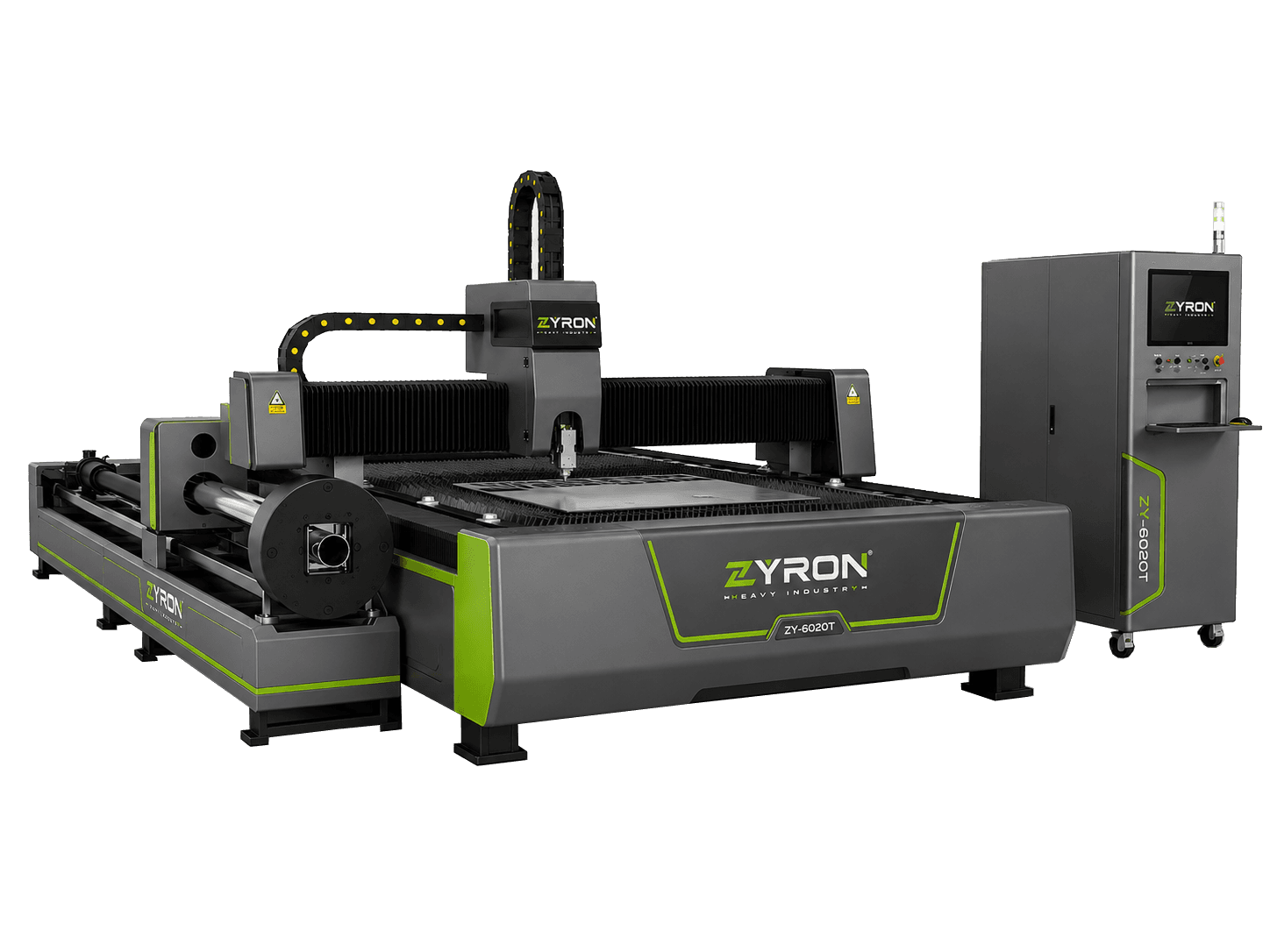
One machine for metal sheet cutting and tube cutting in flexible fabrication workshops.
A sheet and tube fiber laser cutting machine designed for workshops that need to process both flat metal sheets and metal tubes. It helps customers reduce duplicate machine investment, expand cutting capability and handle more product types with one integrated laser cutting solution.
Cutting problems
01
Many fabricated products combine flat sheet components with tubular structures, so one integrated machine can cover both cutting requirements.
02
For small and medium workshops or mixed-order businesses, a dual-use layout can reduce the pressure of purchasing separate sheet and tube systems.
03
Metal furniture, fitness equipment, guardrails, racks and machine frames often combine sheet parts with round, square or rectangular tubes.
04
Tube cutting, holes, slots and shaped profiles can require several saw, drill or manual operations when a programmable cutting process is unavailable.
05
Finished sheet and tube parts can continue into bending, welding, grinding, coating and final assembly as one coordinated workflow.
Integrated solution
Match the machine to the real mix of sheet parts, tube structures, order volume and downstream fabrication work.
Final capability is matched to sheet size, tube profile, thickness and chuck configuration.
Tube format support depends on the selected chuck and control-system capability.
Production planning should account for both sheet handling and tube loading space.
Real industries
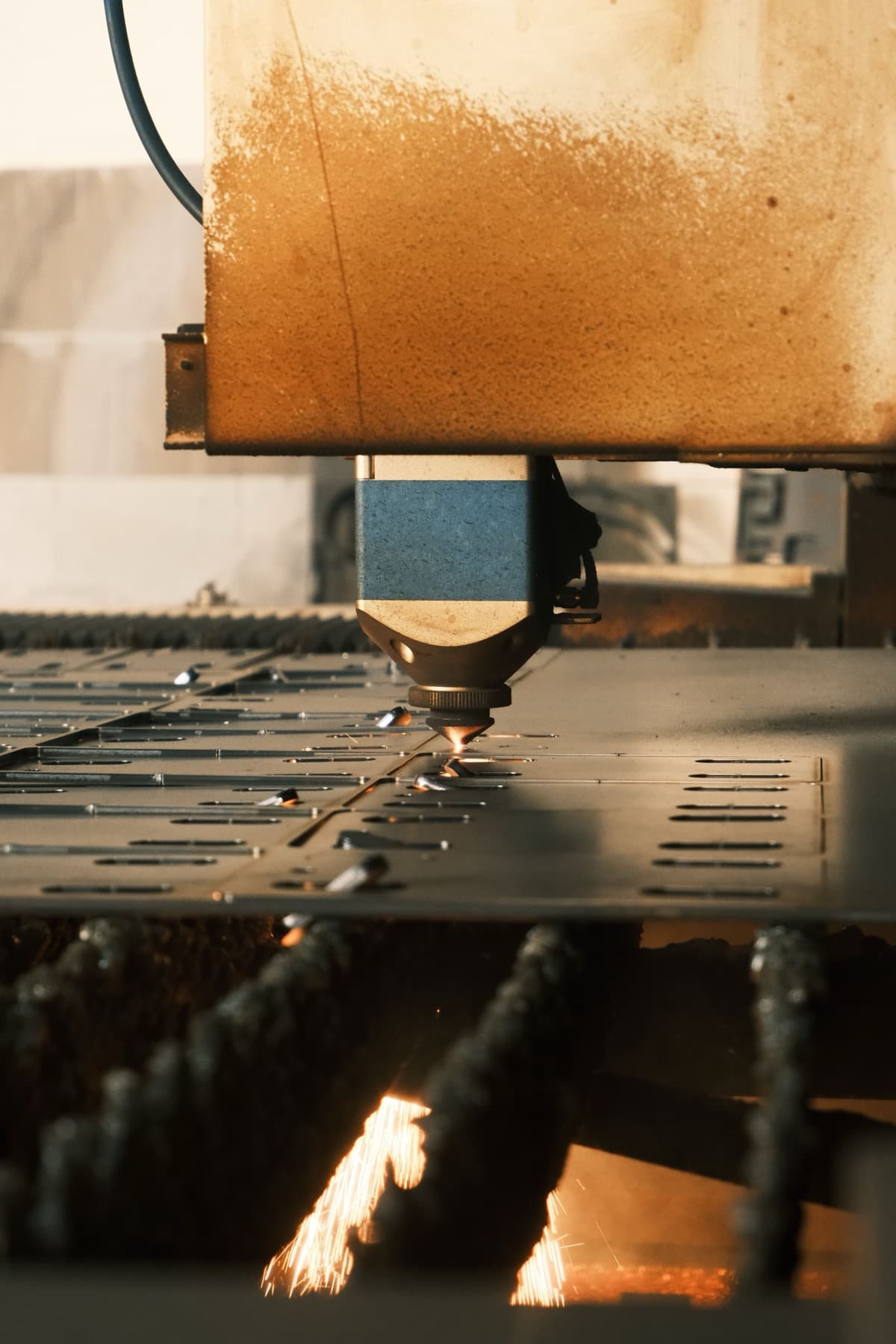
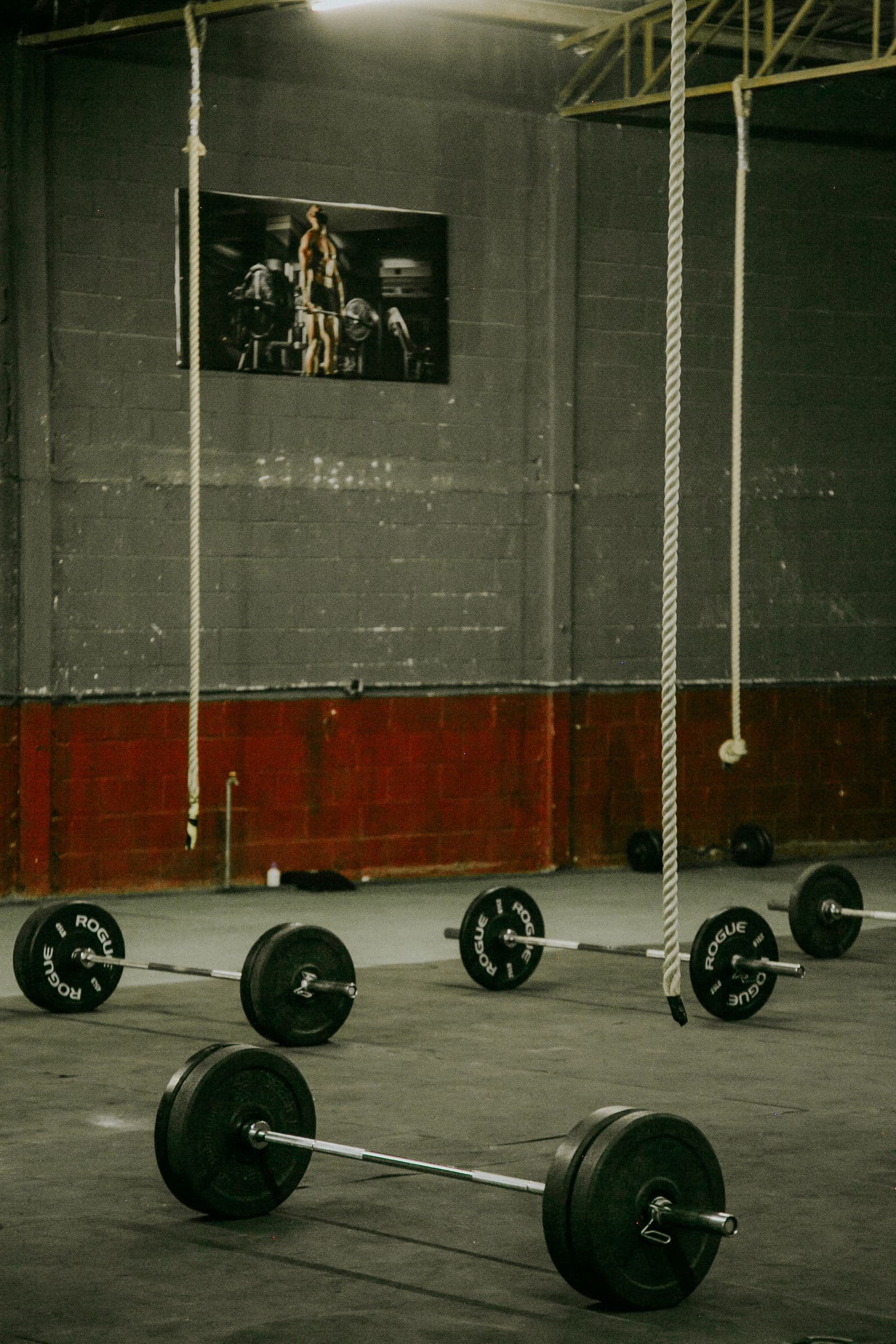
These eleven real photographs show representative production environments and downstream products. They are application references, not customer cases or photos of this exact machine.
 01
01Supports mixed jobs that combine flat brackets, panels and connection parts with tube-based frames or structures.
 02
02Prepares sheet details and tubular furniture structures from one coordinated front-end cutting system.
 03
03Fits products that use tube frames together with sheet gussets, mounting plates, slots and connection points.
 04
04Cuts suitable rail tubes, frame profiles, decorative elements and mounting plates when the chuck configuration supports them.
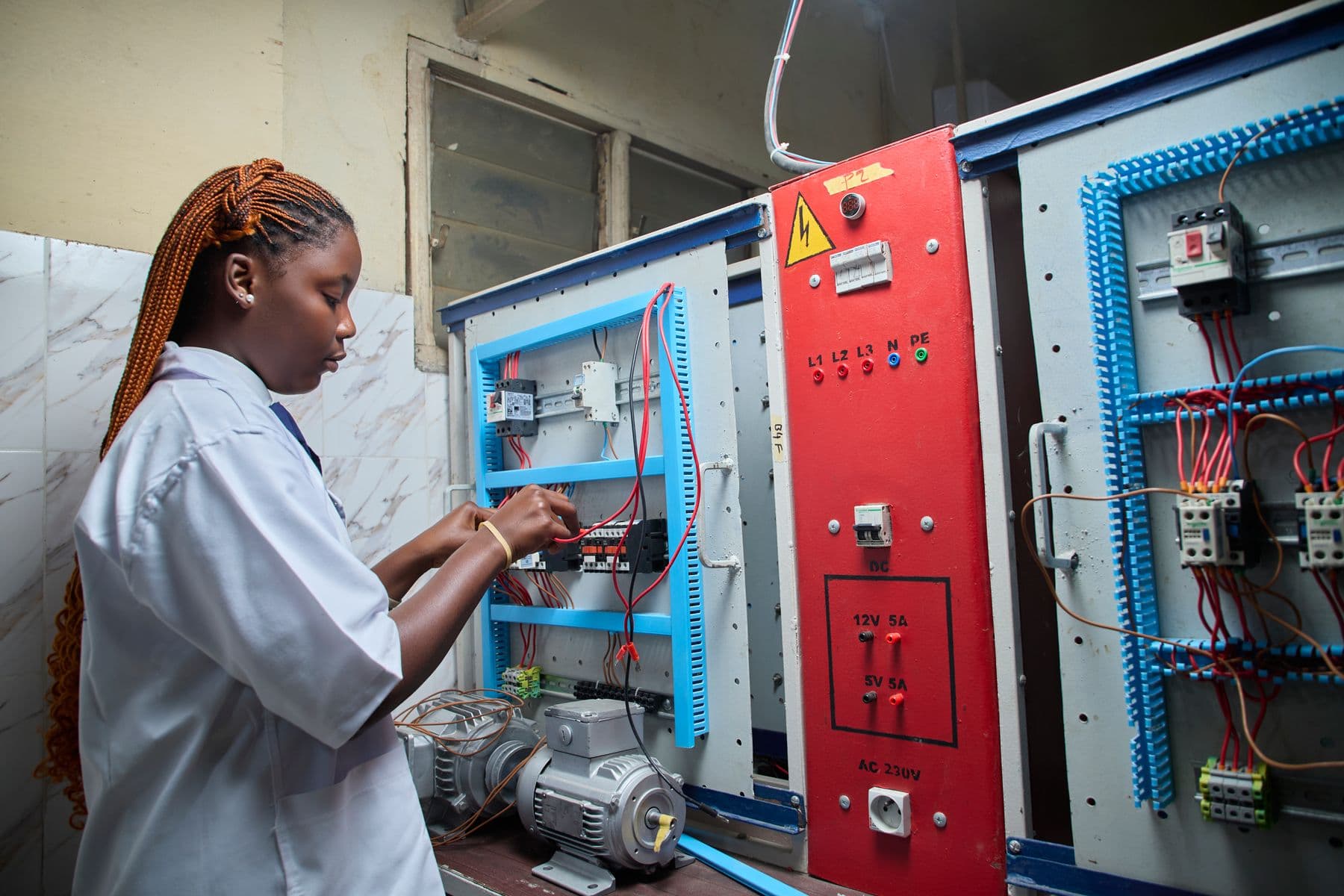 05
05Cuts flat cabinet panels and brackets while adding tube capability for bases, supports and protective frames.
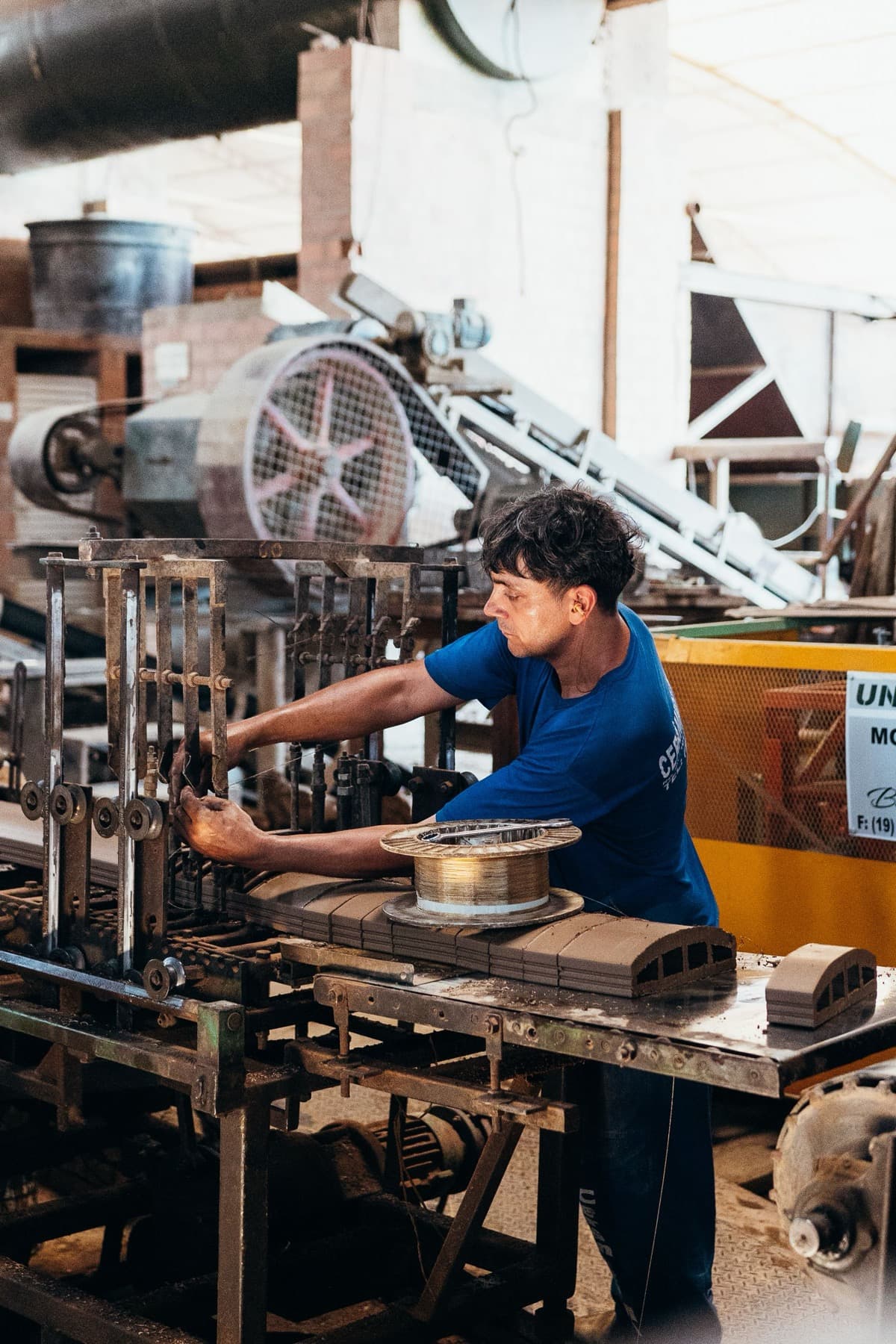 06
06Combines plate covers, brackets and guards with round, square or rectangular structural tube work.
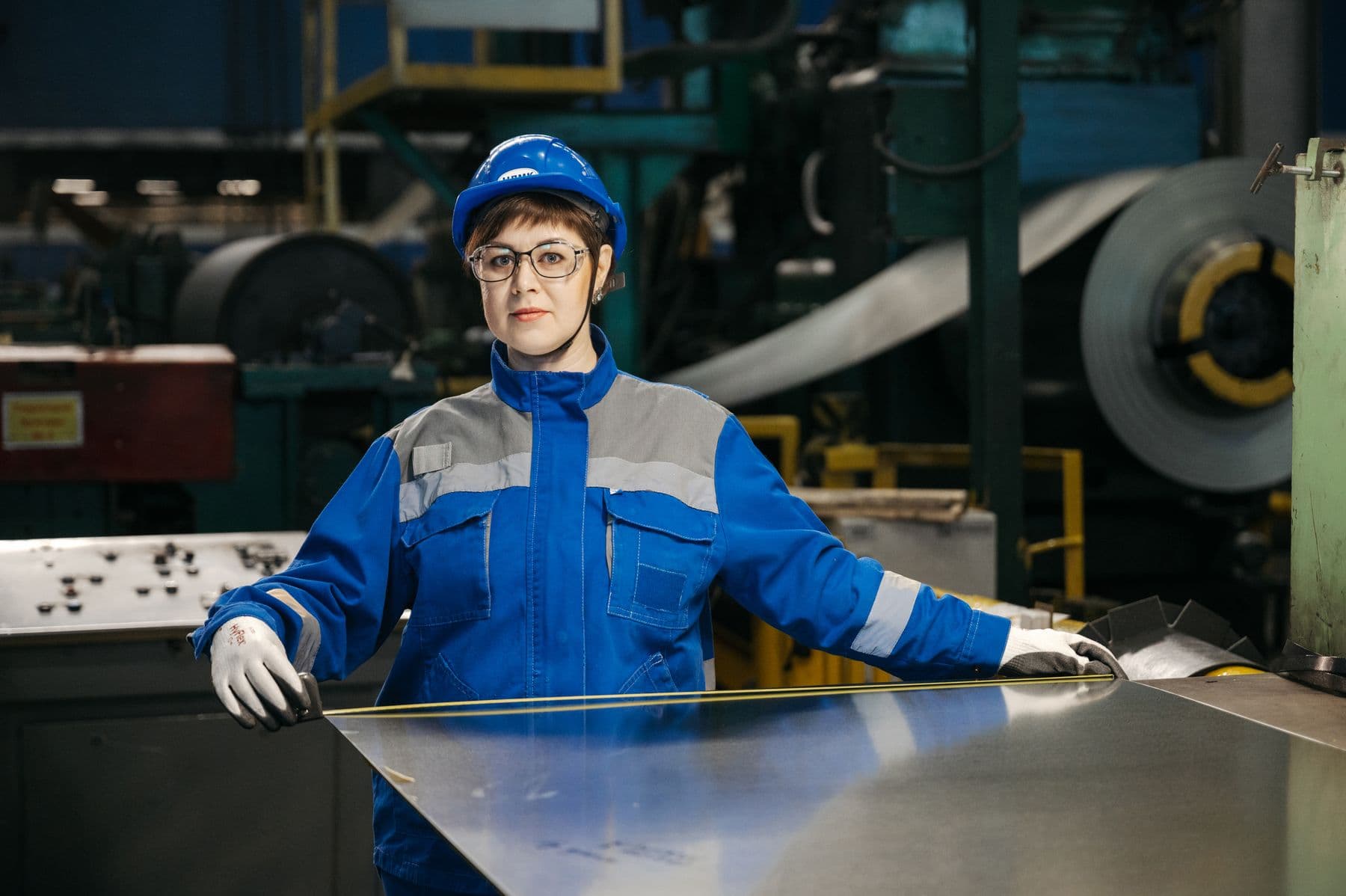 07
07Processes configured stainless sheet and tube parts for housings, frames and fabricated products.
 08
08Produces sheet letters and decorative profiles together with tube supports or display frames.
 09
09Prepares suitable frame tubes, reinforcement pieces, brackets and decorative sheet components.
 10
10Supports mixed structural components where sheet plates, guards and brackets meet tube frames or supports.
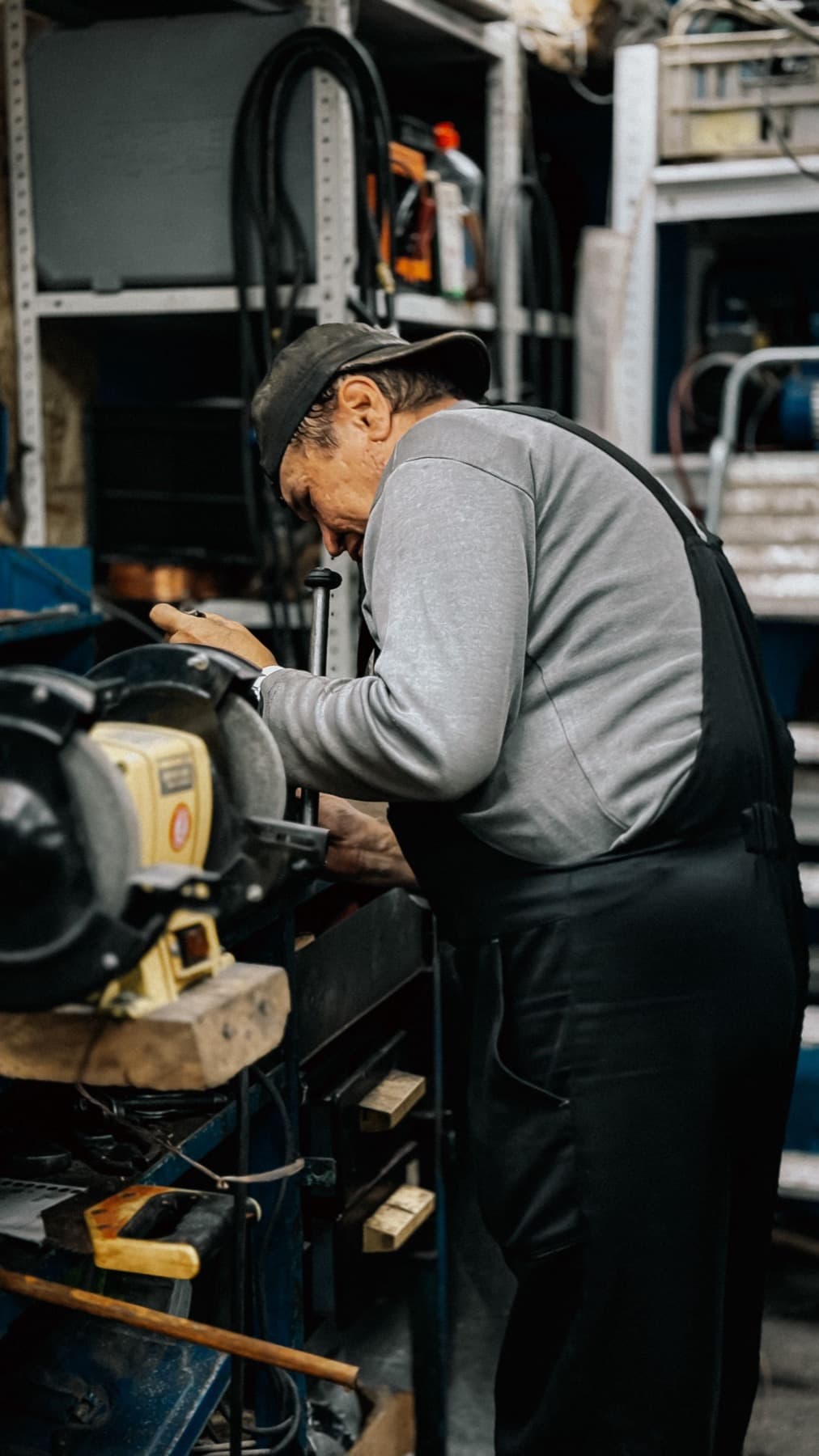 11
11Adds one flexible cutting station for changing sheet and tube orders before forming, welding and assembly.
Flat material path
The suitable sheet cutting thickness depends on laser power, material type, cutting gas, cutting speed, cutting quality requirement and machine configuration. Please confirm your sheet material and cutting requirement before quotation.
Round Tube
Square Tube
Rectangular Tube
Oval Tube
Angle Steel
Channel Steel
Selected Profile Tubes
Rotary material path
Tube cutting capability depends on chuck structure, tube diameter, tube length, wall thickness, material type and machine configuration. Please confirm your tube drawing and processing requirement before quotation.
Process 01
Import DXF or compatible cutting files according to the nesting software and control system.
Place the metal sheet on the working table according to sheet size and machine configuration.
Set laser power, cutting speed, focus, gas type and pressure according to material and thickness.
Cut contours, holes, slots and profiles on flat metal sheets.
Remove finished parts and scrap from the working table after cutting.
Continue with bending, rolling, welding, polishing, powder coating or final assembly.
Process 02
Load round, square or rectangular tube according to supported tube size and machine configuration.
Use the chuck system to hold and rotate the tube during cutting.
Set tube type, diameter, length, cutting pattern and processing program through the control system.
Cut holes, slots, bevel-like profiles or contours according to drawing and machine capability.
Remove finished tube parts and manage remaining material.
Continue with welding, polishing, frame assembly or surface treatment.
One integrated layout
It is not a universal substitute for a dedicated tube laser. High-volume, complex-profile, long or large-diameter tube work may be better served by a dedicated tube laser cutting machine.
Flat material
Sheet Cutting
Rotary material
Tube Cutting
Selection logic
Final power should be confirmed from material, sheet thickness, tube wall thickness, cutting quantity, edge requirement and budget.
Confirm both the maximum sheet thickness and the tube wall thickness instead of selecting power from only one material path.
01
Mild steel, stainless steel, aluminum, copper and brass may require different power and gas choices.
02
Thicker material or higher output targets may need a different power class, gas system and cutting process.
03
Tube wall thickness, profile geometry and heat accumulation should be included in the final recommendation.
04
Process variables
Sheet and tube cutting may require different parameters even for the same material. Final gas selection depends on material, thickness, edge quality and operating cost.
Often considered for carbon steel depending on thickness, cutting process and edge requirement.
Can help reduce oxidation on stainless steel and selected non-ferrous metals when the machine and gas system are configured for the process.
May suit cost-sensitive tasks when material, edge quality and operating conditions are compatible.
Practical value
Objective comparison
Choose the architecture around your dominant material path, product mix, tube complexity and expected workload.
| Comparison | Sheet Fiber Laser | Sheet and Tube Fiber Laser | Dedicated Tube Laser |
|---|---|---|---|
| Main function | Flat metal sheet cutting | Integrated flat sheet and configured tube cutting | Dedicated tube and profile cutting |
| Material type | Metal sheet | Metal sheet plus supported tube formats | Supported tube and profile formats |
| Tube cutting ability | Not designed for tube cutting | Available within chuck, diameter, length and control limits | Purpose-built around tube production |
| Investment level | Single-purpose sheet system | One integrated system for two material paths | Separate dedicated tube system |
| Workshop space | Plan for sheet loading and unloading | Plan for sheet handling plus front and rear tube space | Plan around tube loading, support and part removal |
| Production flexibility | Focused on sheet orders | Flexible for mixed sheet and tube orders | Focused on tube orders and tube-specific production |
| Suitable production type | Sheet-dominant workshops | Mixed-product and multi-variety workshops | Tube-dominant or specialized tube production |
| Recommended use | Choose when tube demand is limited | Choose when both material paths are regular requirements | Choose for high tube volume, complex profiles or wider tube requirements |
Connected equipment
The sheet and tube fiber laser cutting machine is not only a single machine, but also a flexible front-end cutting machine in a complete metal fabrication workflow.
Front-end cutting for configured metal sheets and tubes.
Straight blanking or simple sheet division before other operations.
Bends laser-cut sheet parts into panels, brackets and enclosures.
Forms suitable sheet parts into arcs, cylinders or curved components.
Bends suitable tube parts after profile cutting when the product requires formed geometry.
Joins sheet and tube structures into frames, furniture or fabricated assemblies.
Supports configured pressing, assembly or forming operations.
Completes grinding, polishing, coating or final product finishing.
Before quotation
Configuration table
Original compatible specifications are retained; unavailable product-specific values remain subject to engineering confirmation.
| Model | Working Area(mm) | Laser Power(kW) | Cutting Format | Sheet Cutting Material | Maximum Sheet Cutting Thickness(mm) | Tube Type | Tube Diameter / Section Range(mm) | Tube Length(mm) | Maximum Tube Wall Thickness(mm) | Chuck Type | Positioning Accuracy(mm) | Max Cutting Speed(m/min) | Transmission System | Control / Software | Cooling System | Machine Size(mm) | Machine Weight(kg) | Application |
|---|---|---|---|---|---|---|---|---|---|---|---|---|---|---|---|---|---|---|
| Sheet and Tube Fiber Laser Cutting Machine | Customizable / Please confirm with our sales engineer | Fiber laser power selected by material and maximum cutting thickness | Sheet, tube, or integrated sheet-and-tube processing | Mild steel, stainless steel, galvanized sheet, aluminum, copper and brass; confirm the selected process | Customizable / Please confirm with our sales engineer | Customizable / Please confirm with our sales engineer | Customizable / Please confirm with our sales engineer | Customizable / Please confirm with our sales engineer | Customizable / Please confirm with our sales engineer | Customizable / Please confirm with our sales engineer | Customizable / Please confirm with our sales engineer | Customizable / Please confirm with our sales engineer | Precision guide rails, rack drive, and servo control | Compatible with common CAD/CAM nesting and cutting workflows | Customizable / Please confirm with our sales engineer | Customizable / Please confirm with our sales engineer | Customizable / Please confirm with our sales engineer | Integrated metal sheet and tube cutting |
Final specifications depend on sheet material, tube material, thickness, working area, tube size, laser power, cutting gas, chuck system, control system and selected machine configuration.
Installation planning
Prepare stable power supply according to machine configuration.
SAFE 01
Confirm cutting gas supply and gas pressure requirements.
SAFE 02
Plan smoke exhaust or dust collection according to workshop layout.
SAFE 03
Prepare the cooling system and a clean installation area.
SAFE 04
Keep enough space for sheet loading, tube loading and finished-part removal.
SAFE 05
Reserve front and rear tube space according to the confirmed tube length.
SAFE 06
Follow laser safety instructions and applicable local safety regulations.
SAFE 07
Use an optional protective enclosure, doors, windows and interlocks according to manufacturer instructions when selected.
SAFE 08
Buyer questions
It is a fiber laser system that supports flat metal sheet cutting and configured metal tube cutting in one equipment layout. It suits workshops that regularly produce both sheet parts and tube structures.
It can be configured for materials such as mild steel, stainless steel, galvanized sheet, aluminum, copper and brass in sheet and tube form. Actual capability depends on laser power, thickness, tube size, gas and machine configuration.
Depending on the selected chuck and control system, it may process round, square, rectangular, oval and selected profile tubes. Confirm tube type, size, length and wall thickness before quotation.
A sheet laser focuses on flat metal. A sheet-and-tube system adds a chuck and rotary tube-cutting path for customers who need both material types.
It is practical for regular small or medium mixed production. A dedicated tube laser may be more suitable when tube volume is high or the work involves complex profiles, larger diameters or long material.
Yes, when the required sheet parts and tube formats fall within the confirmed configuration. These products commonly combine tube frames with plates, holes, slots and connection parts.
Provide sheet thickness, tube wall thickness, materials, speed expectations, edge requirements and budget. An engineer can then recommend the suitable power and gas system.
Oxygen, nitrogen or compressed air may be selected according to material, thickness, edge quality and operating cost. Final parameters should follow the confirmed cutting process.
Send sheet material, thickness and size; tube material, type, section, length and wall thickness; daily quantities; application; voltage; configuration needs; and delivery country or destination port.
Configuration can be confirmed around the working table, laser power, chuck system, tube length, controller, cooling, exhaust, optional enclosure and voltage according to available manufacturing options.
Continue comparing
A sheet-only open platform for practical flat-sheet cutting.
A sheet-only platform focused on reducing loading interruption.
A dedicated system for tube-dominant production.
Straight sheet blanking for general fabrication workflows.
Precision bending for laser-cut sheet components.
Curved forming for compatible laser-cut sheet parts.
Send your sheet material, tube type, thickness, size and production requirement. We will recommend a suitable sheet and tube fiber laser cutting machine configuration for your workshop.