01
Manual adjustment depends on operator experience
CNC control and programmed rolling steps can reduce repeated manual roll adjustment when the selected configuration supports them.
Product Directory
Rectangular Duct Seam Closing Machine
Sheet Metal Notching Machine
Auto Duct Production Line
Round Duct Elbow Making Machine
Duct Beading Machine
Angle Iron Flange Rolling Machine
Spiral Duct Production Line
Language
CNC automatic plate rolling solution for cylinders, cones, tank shells and heavy fabrication workshops.
A fully automatic three-roll plate rolling machine designed for programmed pre-bending, CNC rolling cycles, cylinder forming, compatible cone rolling and repeat shell production. Share your material, thickness, width, target diameter and automation needs so the configuration can be confirmed for the real workpiece.
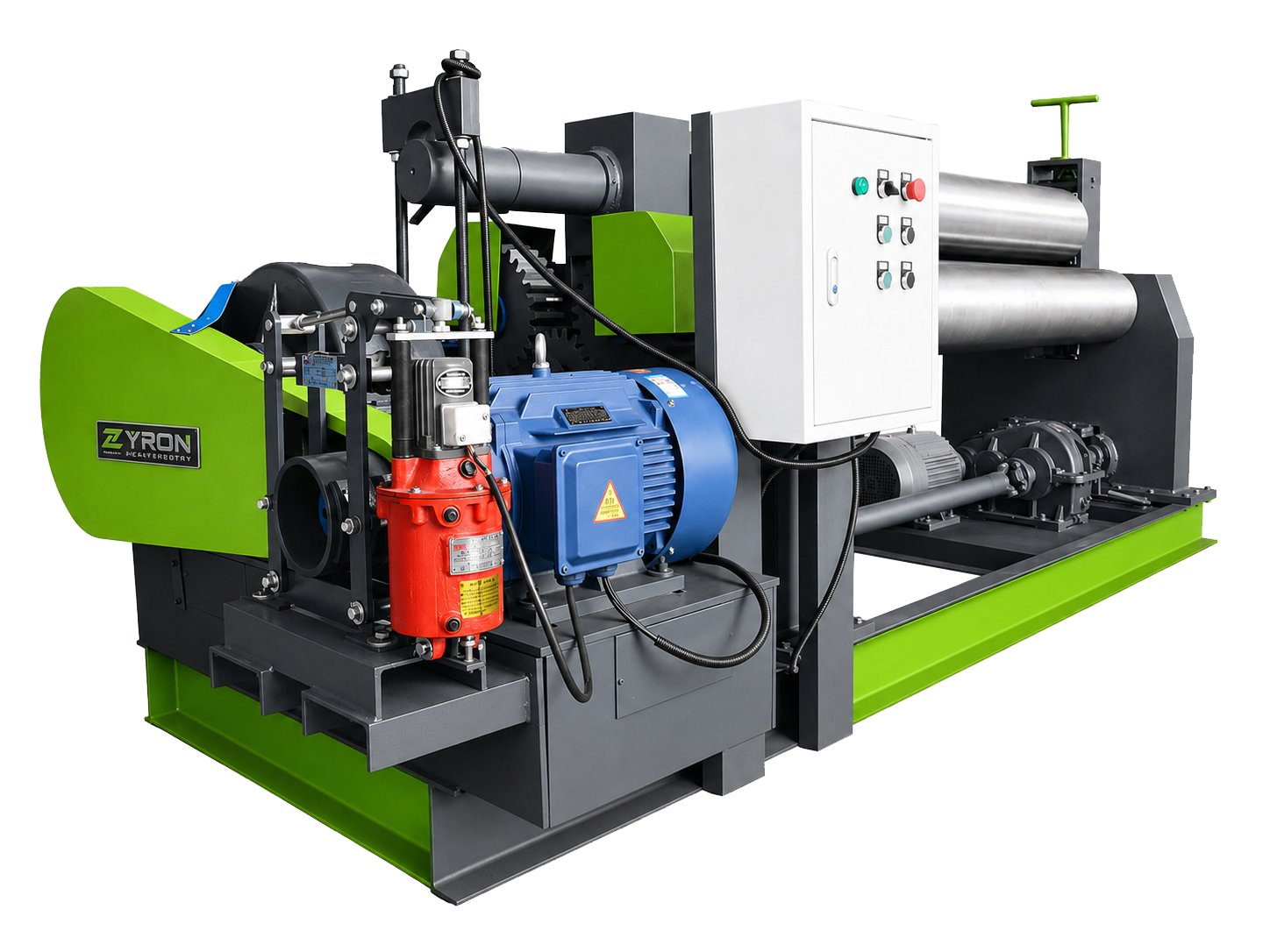
CNC three-roll platform
Final automation level subject to confirmation
Rolling problems
Automation creates the most value when repeat settings, edge preparation, inspection and material handling are planned around the actual shell.
CNC control and programmed rolling steps can reduce repeated manual roll adjustment when the selected configuration supports them.
Stored, controlled rolling sequences help organize repeat tank, pressure-vessel, pipe and shell work while inspection remains part of the process.
A confirmed automatic pre-bending method helps prepare both edges before cylinder closing, seam work and calibration.
Compatible cone attachments and multi-step control can support selected tapered, arc and variable-radius workpieces after drawing review.
Optional feeding, centering and unloading support can connect rolling with lifting, welding and inspection around the actual plate size and weight.
Automatic rolling solutions
Select the rolling cell from the workpiece envelope, production quantity and required control level.
Coordinate edge preparation, programmed pre-bending, rolling, checking and welding preparation as one controlled route.
Build a project-specific automatic rolling cell around plate width, strength, weight, lifting equipment and production quantity.
Match the CNC sequence, cone arrangement, blank geometry and support method to the requested part.
Real applications
These real photographs illustrate representative industries and downstream parts. Machine suitability is confirmed from your material and drawings.
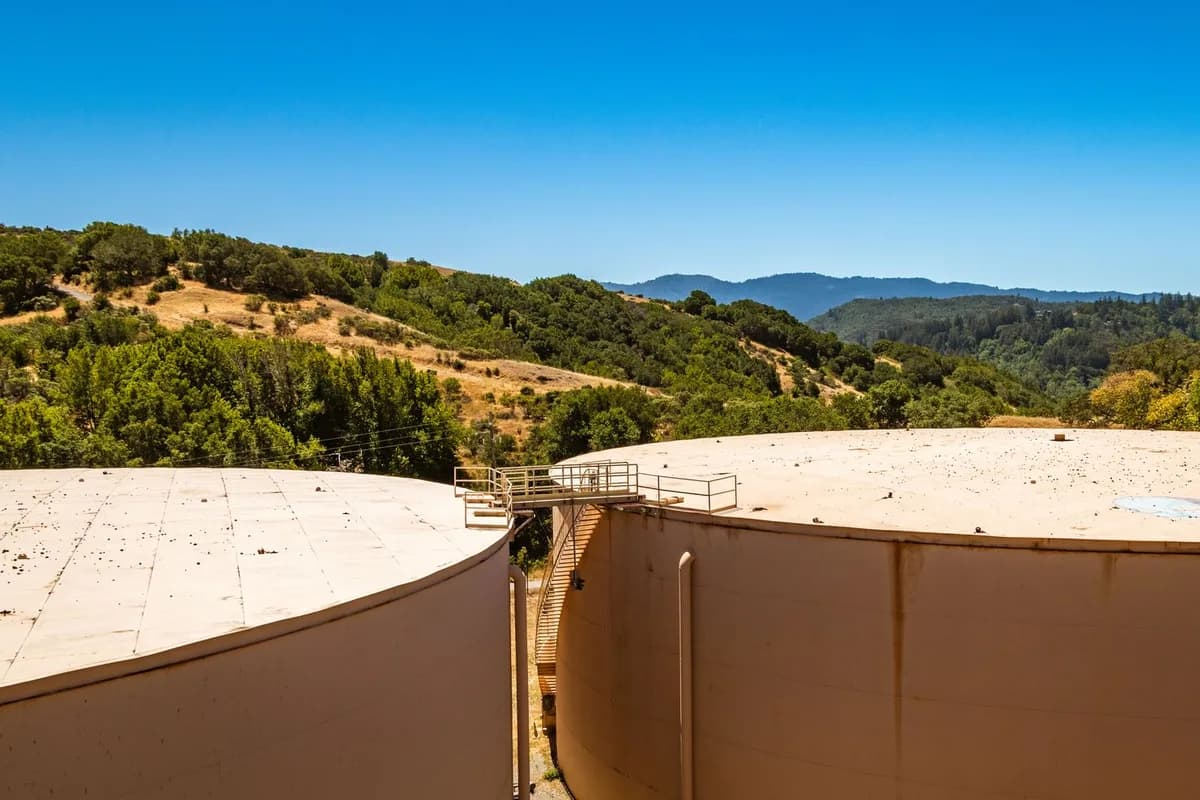
Large cylindrical vessels illustrate repeat shell work where material traceability, pre-bending, diameter checks and downstream welding must be planned together.
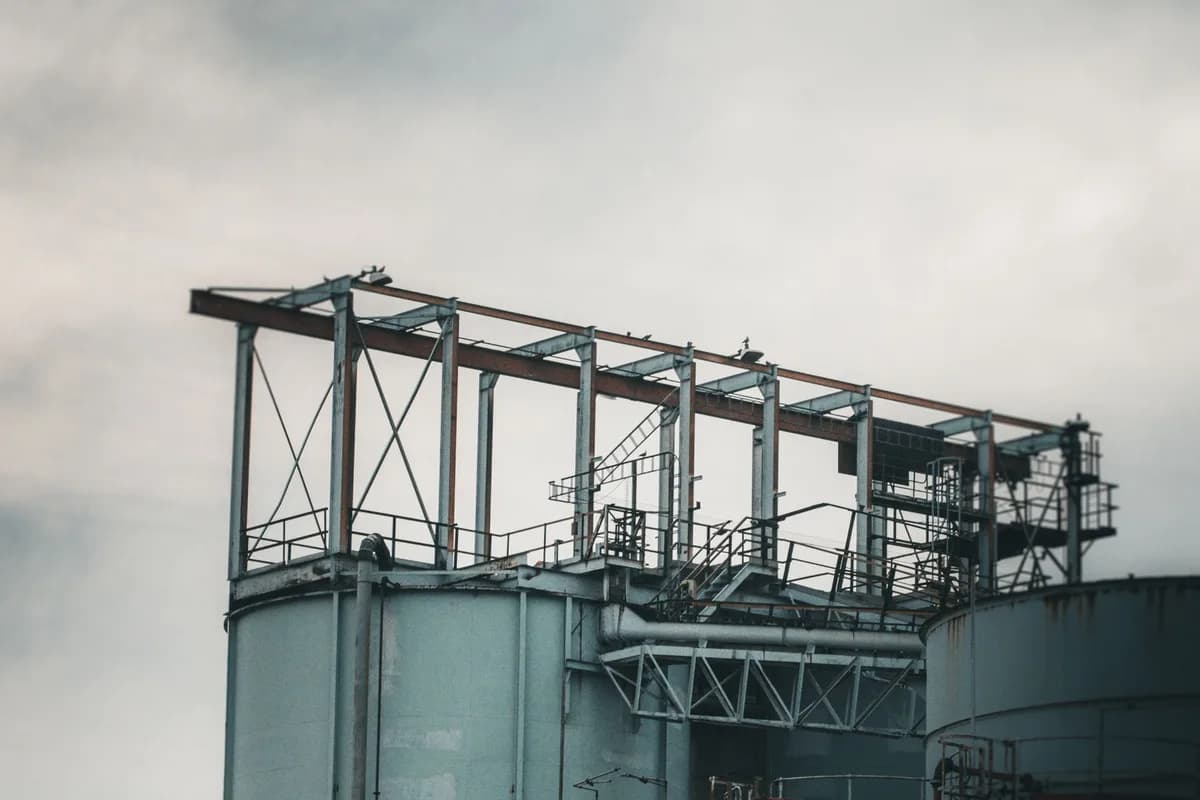
Tank farms represent multi-course cylindrical fabrication that benefits from a repeatable rolling program and an organized joining workflow.
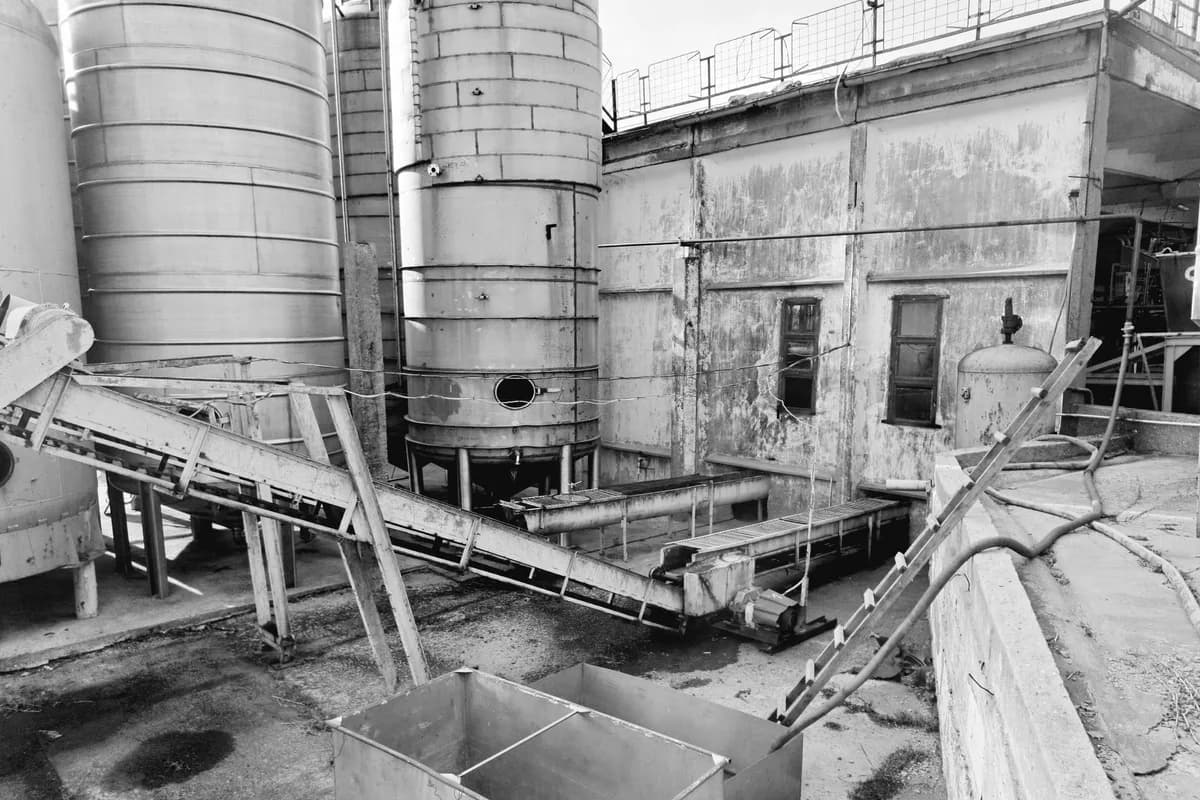
Industrial process vessels show the shell geometry used before qualified seam preparation, welding, inspection and assembly.
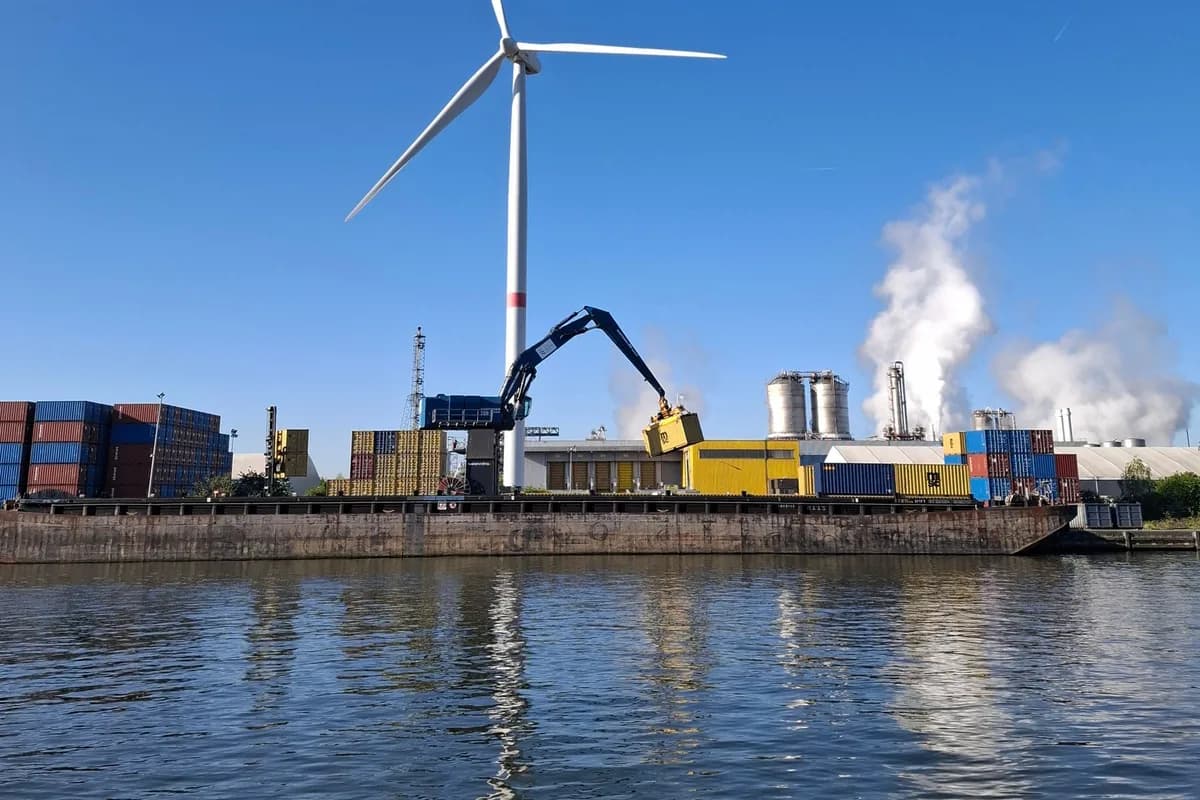
Wind-tower production uses large tapered or cylindrical sections whose plate handling and rolling sequence require project-specific engineering.
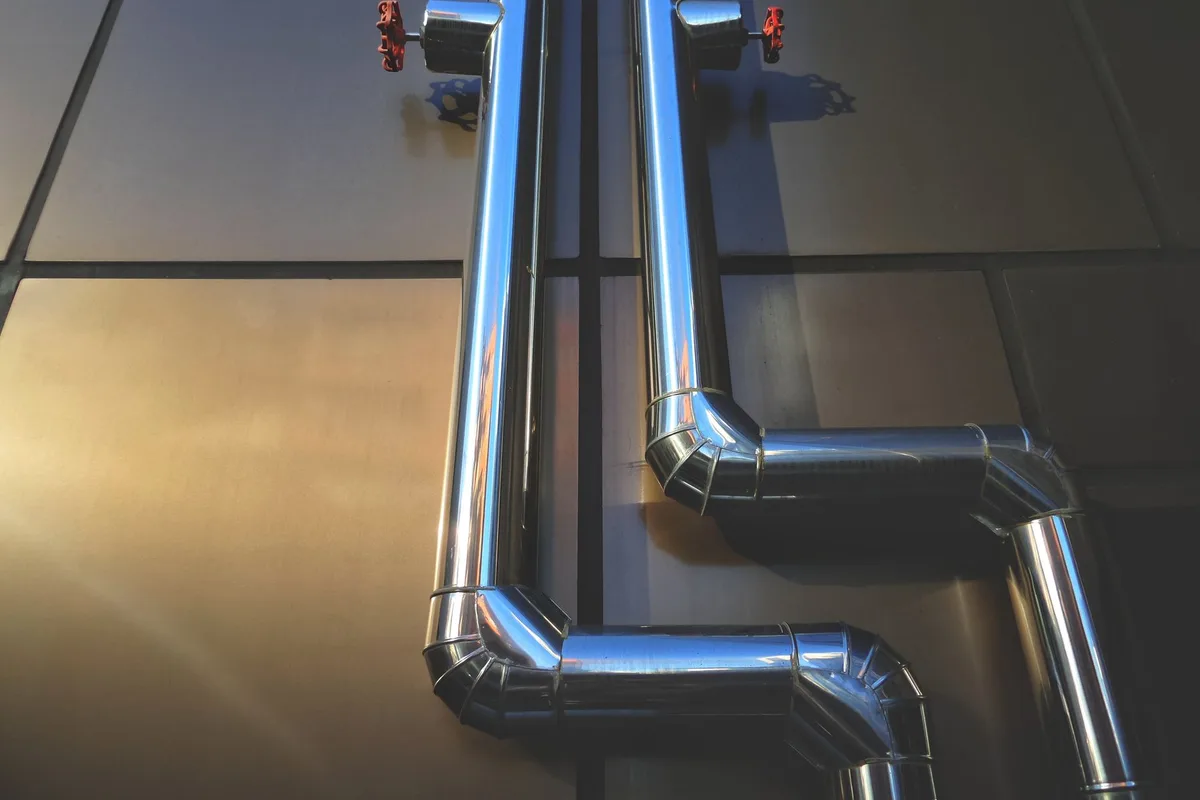
Process pipework represents repeat round sections that move from rolling to longitudinal welding, calibration and connection preparation.

Large cylindrical structures highlight the need to confirm workpiece weight, lifting paths, discharge support and workshop clearance.

Tapered industrial structures illustrate cone work that depends on compatible blanks, controlled feeding, a confirmed attachment and the selected CNC process.

Curved metal façades demonstrate open-arc forming where radius, surface protection, springback and segment matching matter.
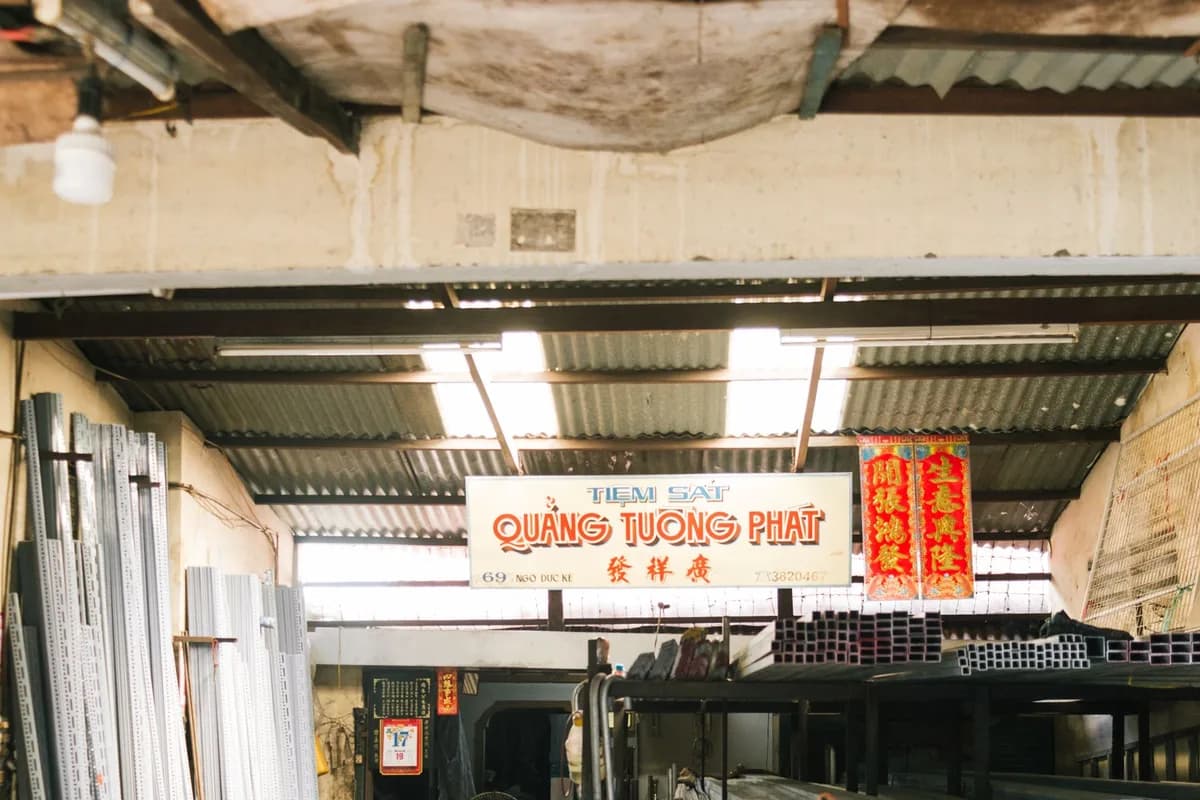
Heavy steel stock and fabricated components represent drawing-led forming for structural and industrial assemblies.
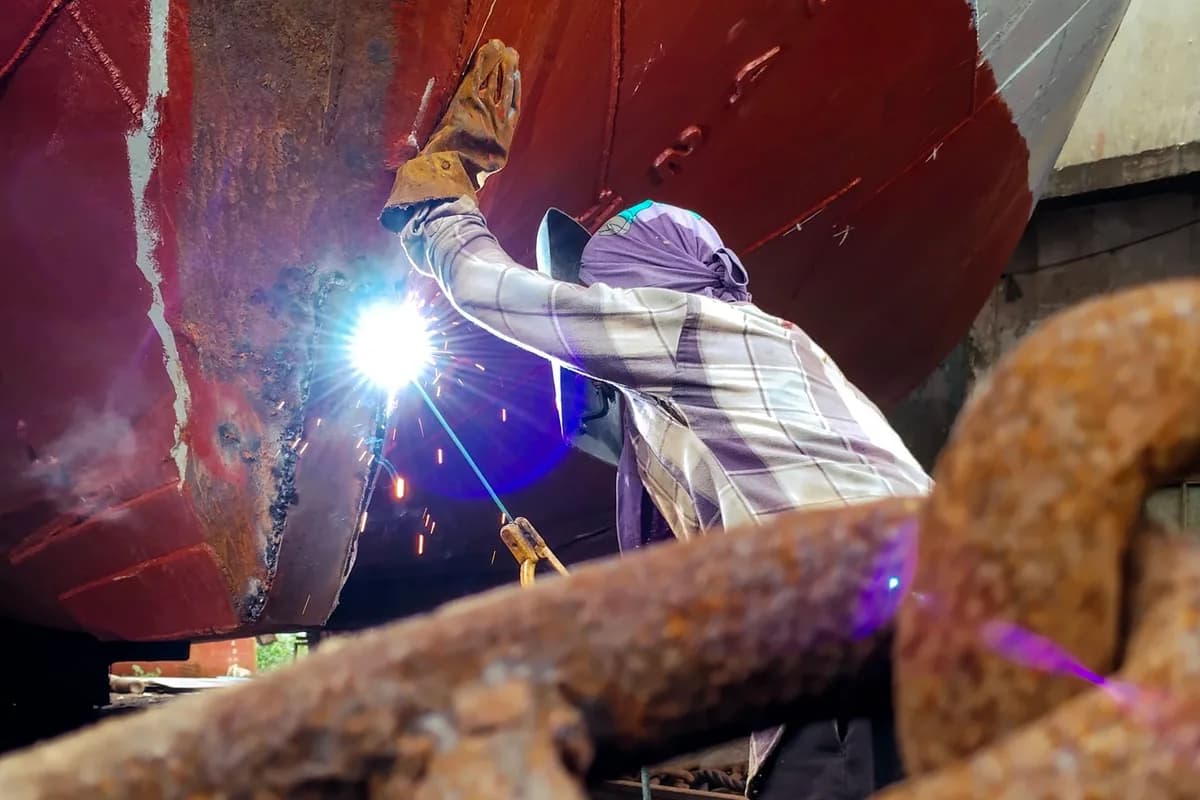
Shipyard work shows how curved plate sections continue into fitting, welding, inspection and large-assembly processes.
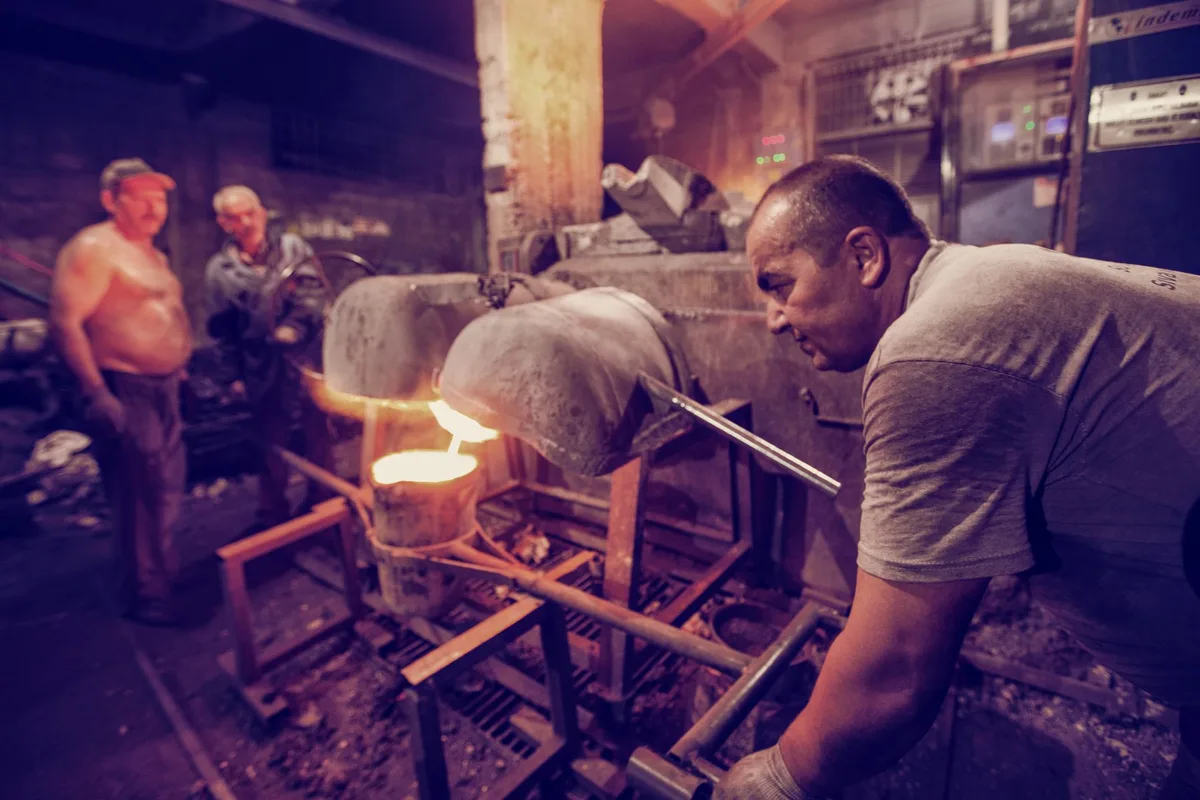
Heavy manufacturing environments represent formed housings and large curved components that require material-specific capacity review.
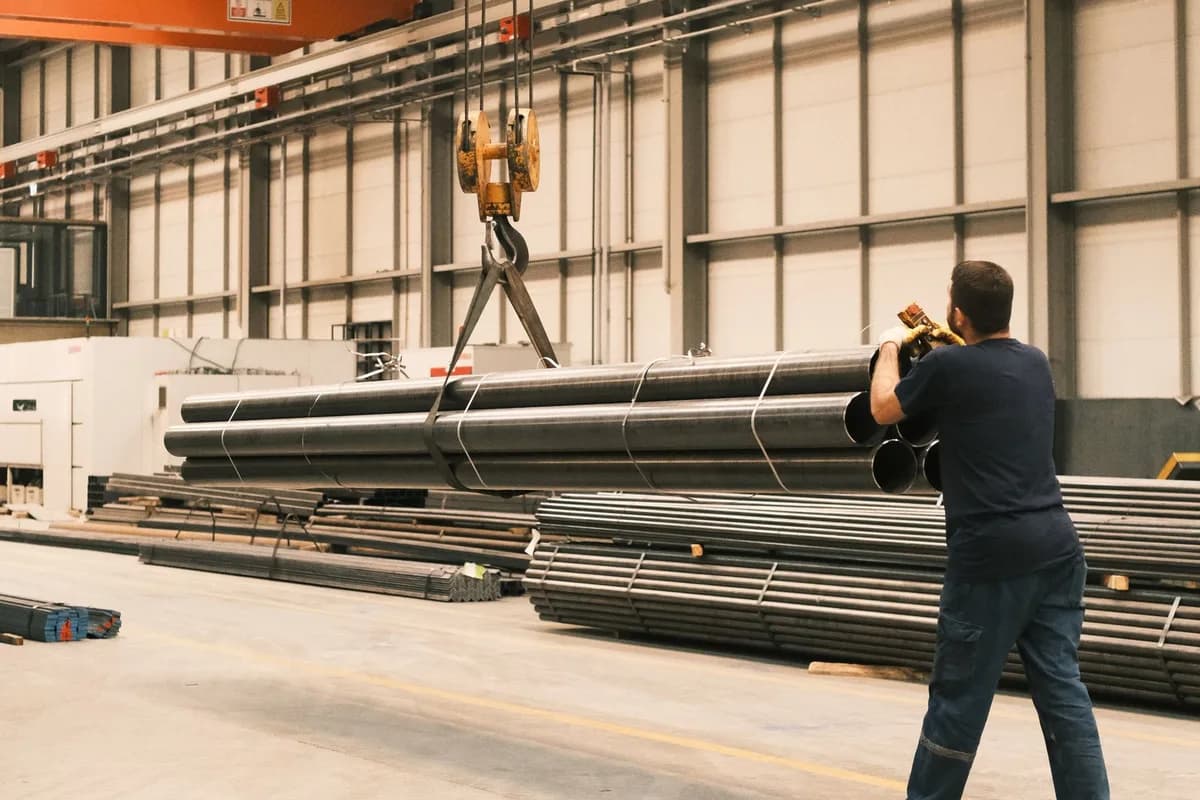
Overhead handling and organized material flow are essential when plate, rolled shells and downstream stations share one production cell.
Materials
Suitable thickness depends on strength, width, diameter, pre-bending demand, roll structure, CNC process and machine configuration.
Confirm grade, yield strength, thickness, width and target diameter.
Confirm grade, surface protection, springback and joining requirements.
Confirm strength, plate condition, forming direction and pre-bending demand.
Provide the material specification for an engineering capacity check.
Confirm alloy, temper, surface sensitivity and expected springback.
Confirm coating condition, target radius and downstream seam process.
Confirm weight, lifting method, support, foundation and discharge route.
Formed workpieces
Final quality depends on the material, blank, target geometry, pre-bending process, CNC program and operating setup.
Complete round shells prepared for welding, calibration or assembly.
Repeat shell courses matched to tank diameter and joining requirements.
Engineering-led cylindrical sections for qualified downstream fabrication.
Large cylindrical or tapered courses subject to machine and handling review.
Rolled sections prepared for longitudinal joining and dimensional checks.
Tapered blanks rolled with a confirmed attachment and process program.
Open-radius segments for structures, guards and industrial assemblies.
Drawing-defined panels where finish and radius must be considered together.
Curved covers and shells for machinery and equipment fabrication.
Multi-step profiles evaluated from drawings, samples and process trials.
Automatic rolling process
A programmed cycle belongs inside a complete path that still includes blank preparation, dimensional checks and downstream joining.
01
Prepare the blank by a compatible shearing, laser, plasma or other cutting process.
02
Load, align and position the plate with manual, assisted or optional automatic equipment.
03
Run the confirmed roll movement sequence to pre-bend compatible plate edges.
04
Execute the programmed passes for the selected cylinder, arc or compatible cone process.
05
Measure diameter, roundness or radius and correct the program when required.
06
Use the configured discharge and suitable lifting method for the formed workpiece.
07
Continue to seam welding, re-rolling, calibration, flanging, trimming or assembly.
CNC control
Confirm the controller, automation level, program complexity, feedback hardware and planned batch size before quotation.
CNC control can coordinate roll movement and position according to the selected machine structure.
Programmed passes support repeat cylinder and shell work when compatible with the controller and workpiece.
Storage and recall of production programs are available only when supported by the confirmed controller.
A configured sequence can reduce repeated adjustment while operators continue loading, checking and supervision.
Position feedback and touchscreen functions depend on the controller and feedback hardware selected.
Remote diagnosis or production-data functions require separate confirmation before quotation.
Automatic pre-bending
Pre-bending helps reduce the unformed straight section at both plate ends before final rolling. It supports closing, welding preparation and roundness control, but the result still depends on material, thickness, roll diameter, machine structure, CNC settings and the approved pass sequence.
Three-roll working principle
The existing product photograph remains the source of truth for visible structure. Final roll movement, drive and discharge details follow the confirmed machine.
Three rolls apply controlled bending force; their movement and drive arrangement depend on the selected design.
Configured position control coordinates pre-bending, rolling and calibration steps for repeat work.
Hydraulic roll movement, variable geometry and all-roll drive require confirmation for the proposed machine.
Drop-end discharge, ejector, lifting support and cone attachments remain configuration-dependent.
Material handling
Automation must be matched to plate size, plate weight, daily quantity, finished-shell geometry and the workshop lifting plan.
A motorized or automatic feeding table can reduce handling for repeat production when matched to plate size and weight.
A compatible centering system can help establish plate alignment before the rolling cycle.
Automatic ejector, drop-end, assisted discharge or lifting support must match the completed shell.
Heavy shells may still require an overhead crane, lifting fixture, rotator or special handling route.
Machine advantages
Organizes repeat roll movement and process steps around the selected controller.
Supports repeat edge preparation when the confirmed build includes this function.
Suitable for cylinders, arcs and compatible cones after application review.
A stored process can reduce repeated manual setting between compatible batch parts.
Applicable to tank, vessel, tower, pipe and industrial-shell workflows.
Feeding, centering, support and unloading can be engineered around the production cell.
Connects with cutting, welding, calibration, flanging and finishing processes.
A practical direction for workshops moving from assisted rolling to CNC-oriented batch work.
Machine comparison
Each structure serves a different workload. Final selection follows the workpiece, output, positioning needs and desired control level.
| Selection point | Semi-automatic three-roll | Fully automatic three-roll | Four-roll |
|---|---|---|---|
| Roller structure | Three rolls | Three rolls | Four rolls |
| Operation mode | Assisted operation with operator-led checks | Programmed CNC-oriented cycle, configuration dependent | Controlled clamping and rolling, configuration dependent |
| CNC automation | Basic to optional | Core selection focus | Optional to advanced |
| Pre-bending ability | Depends on structure and method | Automatic option subject to configuration | Often integrated, subject to configuration |
| Suitable production volume | Flexible small and medium batches | Repeat and batch shell production | Repeat, high-control or heavy configured work |
| Rolling consistency | Operator and process dependent | Supported by repeat programs and checking | Supported by clamping and configured controls |
| Investment level | Balanced | Higher automation investment | Higher structure and control investment |
| Recommended use | General cylinder, arc and varied workshop work | CNC batch cylinders, cones and demanding shell work | Efficient positioning, clamping and selected heavy work |
Complete production route
The rolling machine becomes most productive when blank preparation, handling, welding, checking and finishing are designed as one cell.
Straight-cut compatible plate blanks.
Prepare complex outlines, holes and shaped blanks.
Prepare selected large or thick plate blanks.
Pre-bend and roll the approved shell program.
Join the longitudinal seam to the required procedure.
Support circumferential welding and assembly where appropriate.
Form compatible shell edges for the next assembly stage.
Check and correct geometry after joining when required.
Continue to grinding, blasting, coating or polishing.
Configuration guide
Send these inputs with a part drawing so the recommendation starts from the real process rather than a generic model name.
Grade, yield strength, temper, coating and surface condition.
Nominal thickness, working width and planned production range.
Cut length, seam allowance and blank geometry.
Required cylinder diameter and minimum rolling diameter.
Cylinder, cone, arc, vessel shell or custom drawing.
Required edge condition and automatic pre-bending preference.
Daily volume, batch size and changeover frequency.
Automation level, program memory and cycle complexity.
Plate weight, table requirement and alignment method.
Ejector, drop-end, lifting support and crane interface needs.
Voltage, floor, space, access and lifting equipment.
Cutting, welding, flanging, calibration and automation interfaces.
Include the drawing, production quantity and required automation level.
Technical specifications
The four existing project values remain unchanged. Every added field requires confirmation for the selected machine.
| Model | Rolling Capacity | Roll Structure | Operation Mode | Workpiece | Rolling Lengthmm | Plate Thicknessmm | Pre-bending Thicknessmm | Minimum Rolling Diametermm | Top Roll Diametermm | Side Roll Diametermm | CNC Control System | Automatic Pre-bending | Feeding Method | Unloading Method | Motor PowerkW | Hydraulic System | Rolling Speedm/min | VoltageV | Machine Sizemm | Machine Weightkg | Application |
|---|---|---|---|---|---|---|---|---|---|---|---|---|---|---|---|---|---|---|---|---|---|
| Fully Automatic Three-Roll Plate Rolling Machine | Selected by plate thickness, width, material, and minimum diameter | Two-roll, three-roll, or four-roll construction | Electric, semi-automatic, fully automatic, or hydraulic | Cylinders, arcs, cones, and curved sheet components | Customizable / Please confirm with our sales engineer | Customizable / Please confirm with our sales engineer | Customizable / Please confirm with our sales engineer | Customizable / Please confirm with our sales engineer | Customizable / Please confirm with our sales engineer | Customizable / Please confirm with our sales engineer | Customizable / Please confirm with our sales engineer | Customizable / Please confirm with our sales engineer | Customizable / Please confirm with our sales engineer | Customizable / Please confirm with our sales engineer | Customizable / Please confirm with our sales engineer | Customizable / Please confirm with our sales engineer | Customizable / Please confirm with our sales engineer | Customizable / Please confirm with our sales engineer | Customizable / Please confirm with our sales engineer | Customizable / Please confirm with our sales engineer | Customizable / Please confirm with our sales engineer |
Final specifications depend on plate material, thickness, rolling length, target diameter, pre-bending requirement, CNC control, feeding system and selected machine configuration.
Workshop preparation
Prepare stable power, floor capacity, anchoring and service access for the confirmed configuration.
Verify blank size, rolling direction, seam allowance and pre-bending sequence before production.
Plan plate approach, feeding, discharge, crane access and safe handling before installation.
Reconfirm stainless, high-strength or heavy plate before running the production job.
Large shells may require overhead lifting, side support, a rotator or a dedicated fixture.
Use trained operators, delivered guarding and instructions, and applicable local workshop rules.
Coordinate cutting, rolling, checking, welding, calibration and unloading as one production route.
Related equipment
For flexible assisted rolling and varied workshop production.
For configured four-roll clamping, positioning and heavy rolling.
For compatible thin-sheet cylinder forming.
For straight plate blank preparation.
For productive sheet cutting and shaped blanks.
For compatible large-format plate preparation.
FAQ
It is a three-working-roll plate forming machine configured around CNC or automatic control for programmed pre-bending, rolling cycles and repeat cylinder, arc or compatible cone production.
A semi-automatic machine emphasizes assisted operation and operator-led settings. A fully automatic configuration emphasizes CNC roll positioning, programmed cycles, optional automatic pre-bending and repeat production. Exact functions depend on the selected build.
Three-roll machines provide a versatile forming principle for cylinders, arcs and compatible cones. Four-roll machines add another roll and often emphasize plate clamping and positioning efficiency. Selection should follow the workpiece, production rate, control needs and budget.
Common candidates include compatible carbon steel, stainless steel, galvanized plate, aluminum and selected alloy steel. Capacity depends on material strength, thickness, width, target diameter and the machine configuration.
A configuration with a CNC automatic rolling program can execute repeat cylinder-forming steps. Loading, checking and unloading automation still depend on the selected equipment and workpiece.
Compatible cones may be rolled when the cone dimensions, tapered blank, attachment, roll arrangement and program are confirmed together.
Feeding tables, centering, ejectors, drop-end discharge and unloading support are configuration options. Plate size, weight, volume, workshop layout and budget must be confirmed.
Compatible stainless steel can be rolled after its grade, strength, thickness, width, finish requirements and target diameter are reviewed.
Provide material, thickness, width, blank length, target and minimum diameter, part drawing, pre-bending and cone needs, automation level, output, voltage and lifting plan.
It can form compatible vessel and tank shells, but the machine, process, welding preparation and inspection route must match the plate data, diameter, applicable standards and production plan.
Send the drawing, material, thickness, width, blank length, target diameter, application, daily quantity, voltage, CNC needs, feeding and unloading needs, connected equipment and destination country or port.
Configuration may be confirmed around rolling length, capacity, roll structure, CNC control, pre-bending, cone work, feeding, discharge, hydraulic system, voltage and workshop layout.
Send your plate material, thickness, width, target diameter, drawing and automation requirement. We will recommend a suitable fully automatic three-roll plate rolling machine configuration for your workshop.