
01
Small batches do not need expensive CNC bending
A practical choice for small batches, non-standard parts, on-site work and customers working within a controlled equipment budget.
Product Directory
Rectangular Duct Seam Closing Machine
Sheet Metal Notching Machine
Auto Duct Production Line
Round Duct Elbow Making Machine
Duct Beading Machine
Angle Iron Flange Rolling Machine
Spiral Duct Production Line
Language
Practical sheet metal edge bending solution for workshops, duct fabrication and on-site sheet metal work.
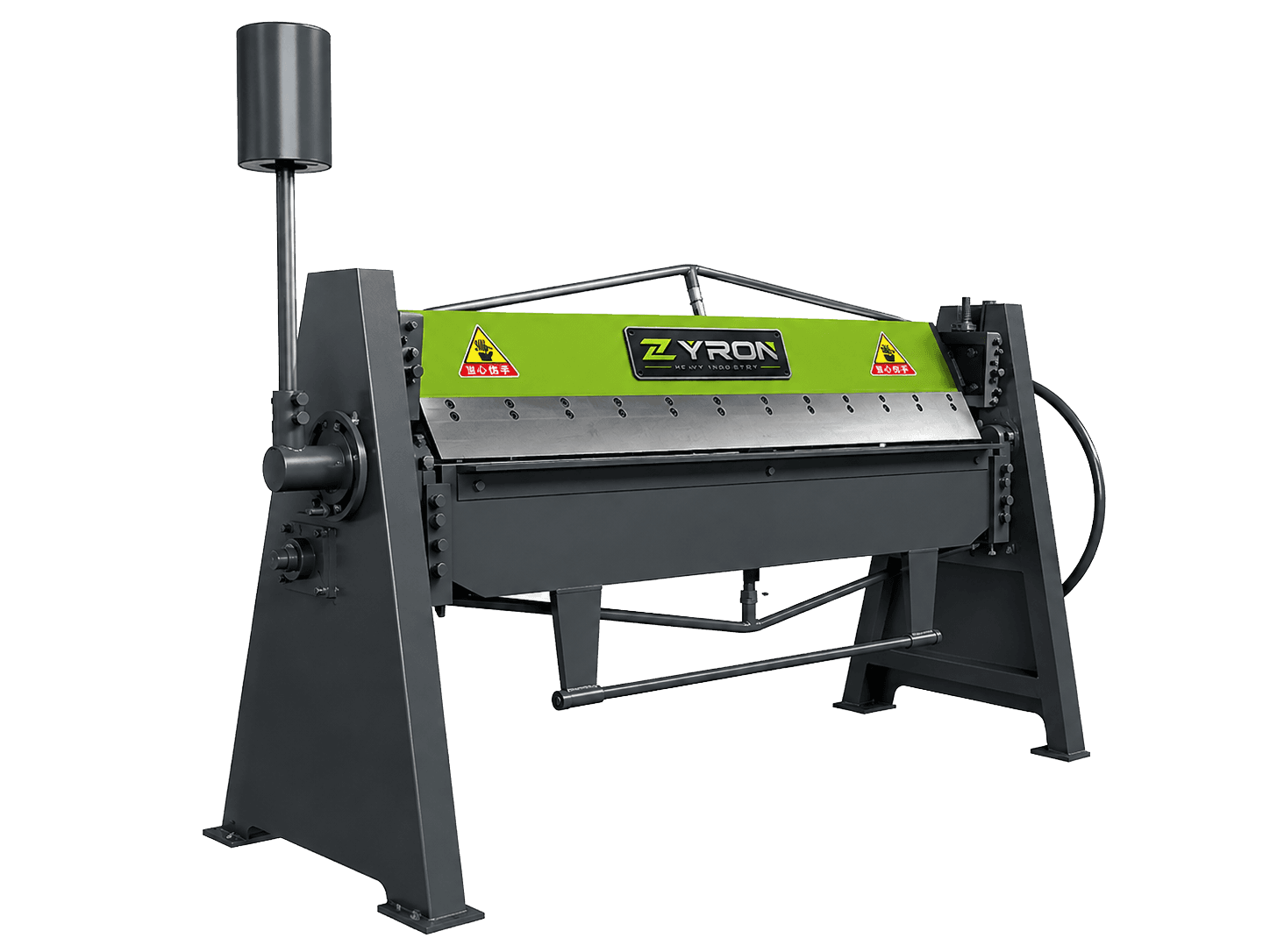
A simple, reliable and cost-effective manual folding machine for thin sheet metal bending, edge folding and duct panel forming. Suitable for HVAC duct workshops, roofing sheet metal, signage, electrical enclosures and light fabrication work.
Customer Challenges
Start with the sheet, batch size, work location and finished edge—not only the machine name.
01
A practical choice for small batches, non-standard parts, on-site work and customers working within a controlled equipment budget.
02
The clamping and folding process supports basic edge folding, hemming and straightforward thin-sheet forming work.
03
Its simple mechanical layout suits small sheet-metal workshops and local HVAC duct fabrication points where floor space matters.
04
No electrical power is required for folding, making the machine relevant to selected roofing, architectural sheet-metal and duct installation work.
05
It can provide the basic edge folds needed before lock forming, riveting, seam closing or rectangular duct assembly.
Solution Fit
Three practical use profiles help determine whether manual folding matches the production rhythm and work environment.
Applications
A focused supporting machine for thin-sheet edges, light forming and mixed workshop requirements.
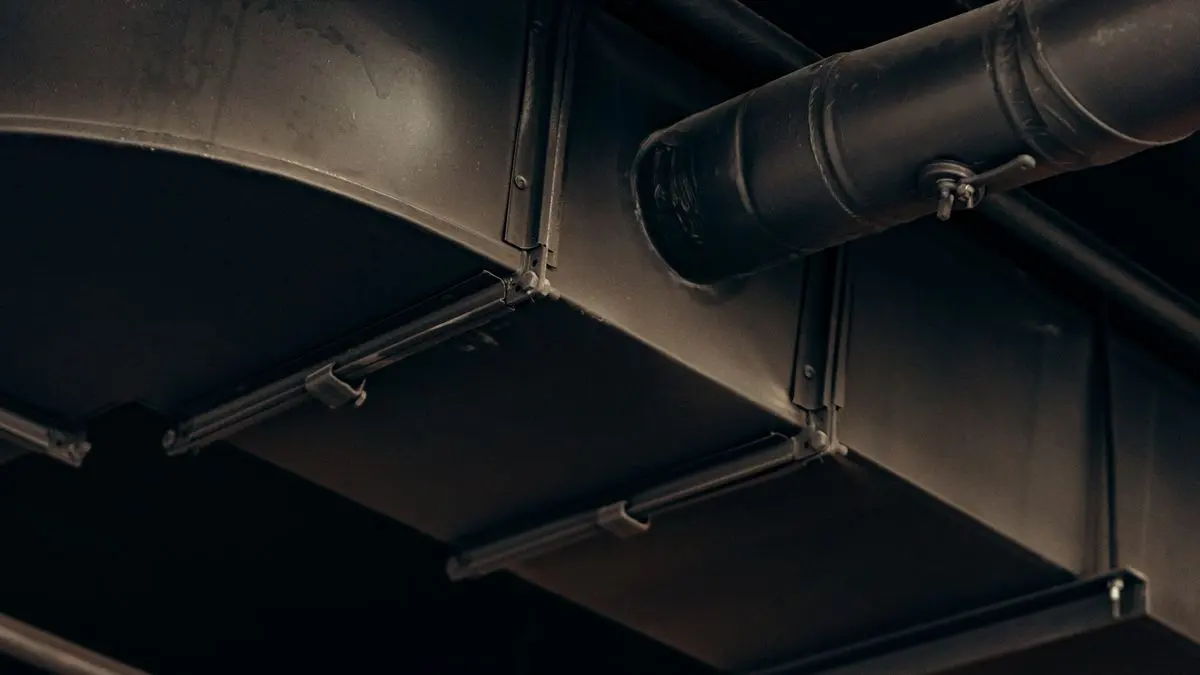
Forms basic panel edges before rectangular duct joining and assembly operations.
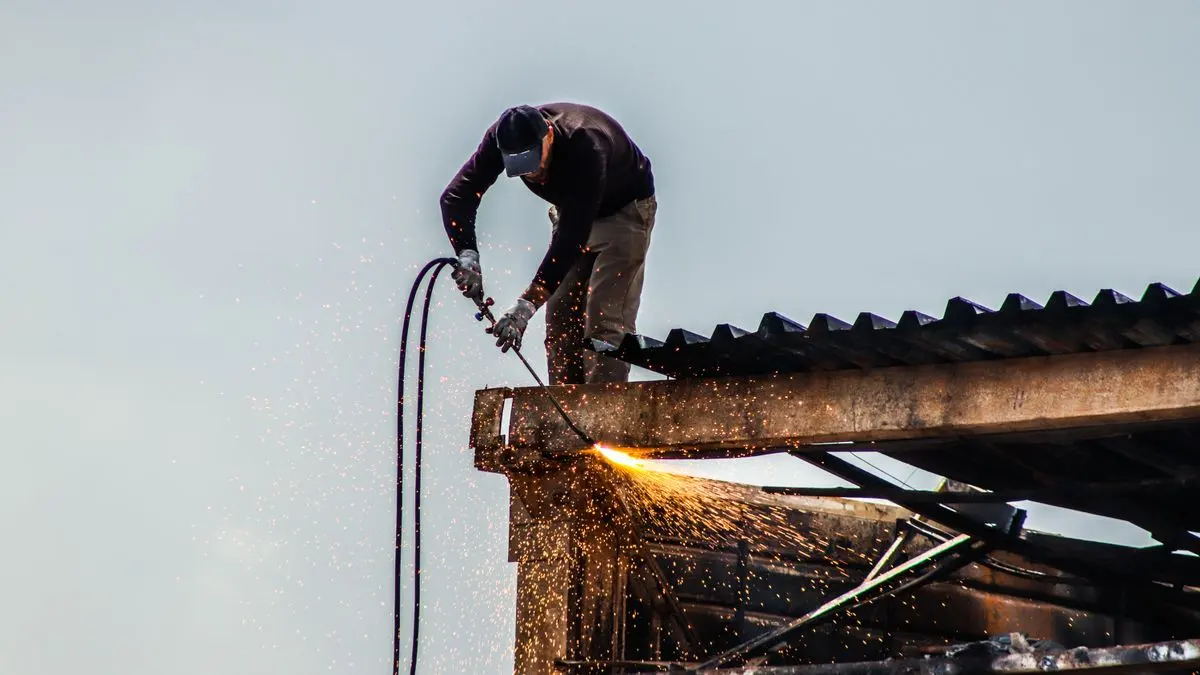
Supports edge bends and simple profiles for suitable thin roofing sheet and trim parts.

Useful for small-batch flashing, edging and light architectural sheet-metal preparation.
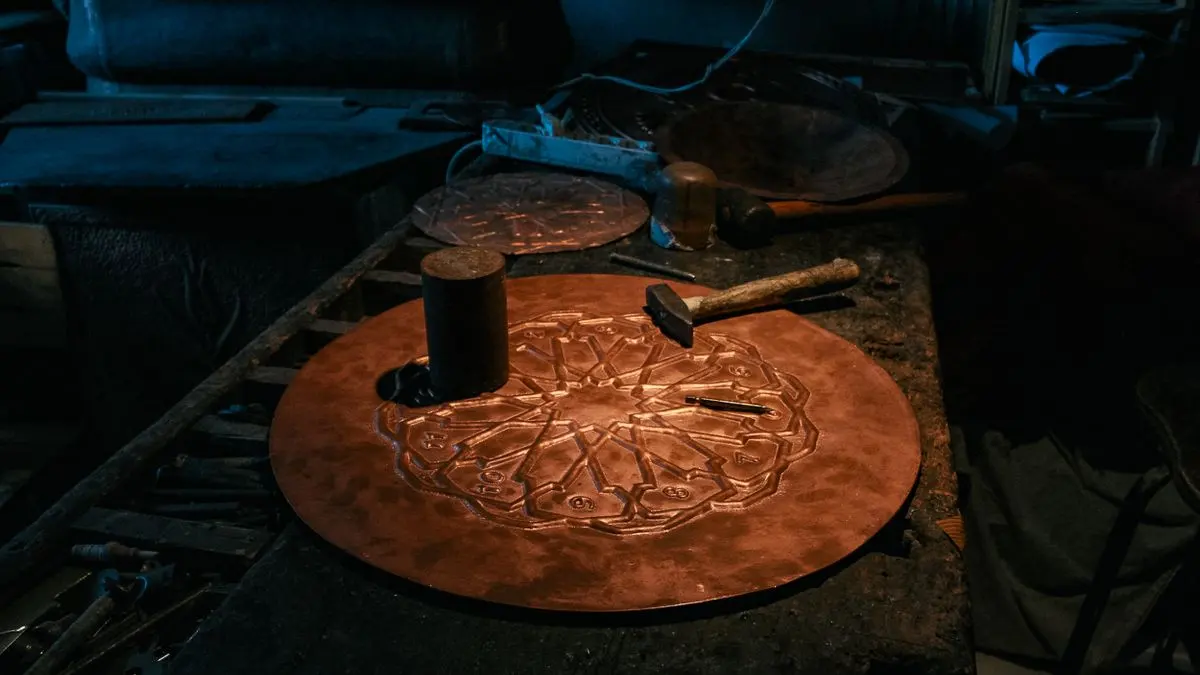
Handles straightforward edge folds for suitable sign panels, channels and light-gauge components.
Supports basic thin-sheet flanges and enclosure parts when the selected model matches the workpiece.
A practical general-purpose folder for mixed, low-volume thin-sheet jobs.

Suitable for one-off replacement panels, covers, edging and repair components.

Provides manual forming where machine size, weight and the job-site layout allow safe placement.
Materials
The suitable thickness depends on material strength, bending length and machine configuration. Please confirm your material, thickness and bending requirement before quotation.
Commonly used for HVAC duct panels and general light sheet-metal work.
Suitable within the verified capacity of the selected model and bending length.
Requires capacity confirmation because material strength affects the workable thickness.
Useful for light fabrication when alloy, thickness and bend requirement are reviewed together.
Supports selected roofing, enclosure and architectural trim applications.
The workpiece must be matched to material strength, folding length and machine configuration.
Process Flow
A clear manual sequence helps the operator control positioning, clamping and the finished edge before the next process.
Cut the sheet to the required size before bending.
Position the sheet according to the required flange size.
Clamp the sheet firmly before folding.
Use the handwheel, lever and folding-beam structure to complete edge bending.
Check the bending angle and make adjustment when needed.
Continue with lock forming, riveting, welding, duct assembly or installation.
Verified Machine Value
Manual handwheel and lever operation keeps the forming method direct and easy to understand.
Folding does not rely on an electrical cabinet, hydraulic station or compressed-air source.
The clamping beam secures the sheet before the folding beam forms it along the bending axis.
Supports edge folding, flanging and basic angle forming within the selected model capacity.
Useful for mixed specifications, non-standard parts and low-volume jobs.
A practical supporting machine for small workshops and suitable job-site layouts.
Routine work centers on mechanical inspection, cleaning, lubrication and correct clamping practice.
Useful as a folding step in HVAC duct preparation, roofing and general light sheet-metal workflows.
Selection Comparison
Neither drive method is universally better. The practical choice depends on production frequency, available utilities and how much manual effort the workflow can accept.
| Comparison Item | Manual Folding Machine | Electric Folding Machine |
|---|---|---|
| Power source | Manual handwheel and lever operation; no power required for folding | Motor-driven and requires the matched electrical supply |
| Suitable production volume | One-off, mixed and small-batch work | Repeated small-to-medium batch workshop production |
| Operation method | Operator clamps and folds the sheet mechanically | Motor assists the folding cycle and reduces manual effort |
| Cost level | Lower-complexity entry for basic folding requirements | Higher equipment and electrical configuration level |
| Workshop space | Relevant to compact workshops and selected on-site layouts | Best planned as a powered workshop production station |
| Bending efficiency | Practical for low-frequency and varied work | More suitable for repeated cycles and higher daily output |
| Recommended use | Basic thin-sheet folding, limited batches and flexible site work | More frequent folding with reduced manual effort and steadier cycle rhythm |
Supporting Equipment
The manual folding machine is not only a single machine, but also a practical supporting machine in a complete sheet metal or HVAC duct fabrication workflow.
Cuts sheet to the required blank size before marking and folding.
Adds reinforcement beads to suitable duct panels before assembly.
Forms the lock profile used to connect rectangular duct sections.
Forms the integrated flange edge used in a TDF duct workflow.
Creates basic panel folds, return edges and thin-sheet hems.
Closes the prepared seam after panel forming and duct assembly.
Handles work that needs a different bending method, thicker material or press-brake tooling.
Configuration Guide
A usable recommendation begins with the real sheet and finished edge requirement. Share these details before model confirmation.
Sheet material
Maximum sheet thickness
Maximum bending length
Required bending angle
Flange size
Flat sheet folding or duct sheet folding
Workshop use or on-site use
Daily production quantity
Need to match with shearing machine, lock former or beading machine
Verified Data
The table below preserves the existing confirmed model data. Match the row to the material and folding requirement before quotation.
| Model | Minimum Bending Angle(deg) | Weight(kg) | Processing Plate Thickness(mm) | Maximum Processing Length(mm) | Overall Dimensions(mm) |
|---|---|---|---|---|---|
| WS-1.5X1300B | 55 | 400 | 0.3-1.5 mm | 1300 | 1980 x 800 x 1320 |
| WS-1.5X1500B | 55 | 450 | 0.3-1.5 mm | 1500 | 2180 x 800 x 1320 |
| WS-1.5X2000B | 55 | 550 | 0.3-1.5 mm | 2000 | 2680 x 800 x 1320 |
| WS-1.5X2500B | 55 | 600 | 0.3-1.5 mm | 2500 | 3180 x 800 x 1320 |
Final specifications depend on sheet material, thickness, bending length and selected machine structure.
FAQ
Practical answers for capacity review, material matching and workflow planning.
A manual folding machine uses a manually operated clamping and folding structure to form thin sheet-metal edges. It is suitable for edge folding, duct-panel folding and small-batch sheet-metal work.
It is commonly used with galvanized sheet, thin mild steel, thin stainless steel, aluminum and color steel sheet. Actual capacity depends on material strength, thickness, bending length and the selected model.
Yes. It can support rectangular duct-panel folding and basic thin-sheet forming, working with shears, lock formers, beading machines and TDF flange machines in a matched workflow.
A manual folding machine needs no electrical power for folding and suits small batches or flexible site work. An electric folding machine reduces manual effort and is better suited to more frequent workshop production.
It can process suitable thin stainless steel, but the workable thickness is normally lower than for material with lower strength. Confirm the stainless grade, thickness and folding length before selecting a model.
Its manual operation can suit selected on-site sheet-metal work. Confirm machine dimensions, weight, safe placement and the actual workpiece before planning job-site use.
Provide the material, thickness, bending length, angle, application, expected quantity, required supporting machines and destination country or port.
Working length, folding structure and application requirements can be reviewed for configuration matching. The final machine specification must be confirmed through the engineering proposal.
Next Step
Send your sheet material, thickness, bending length and application. We will recommend a suitable manual folding machine configuration for your workshop or job site.