01
Standard press brakes cannot meet precision requirements
For more stable angles, more complex workpieces and higher repeatability, electro-hydraulic servo CNC control provides a stronger platform for precision sheet-metal production.
Product Directory
Rectangular Duct Seam Closing Machine
Sheet Metal Notching Machine
Auto Duct Production Line
Round Duct Elbow Making Machine
Duct Beading Machine
Angle Iron Flange Rolling Machine
Spiral Duct Production Line
Language
High-precision CNC sheet metal bending solution for demanding fabrication workshops.
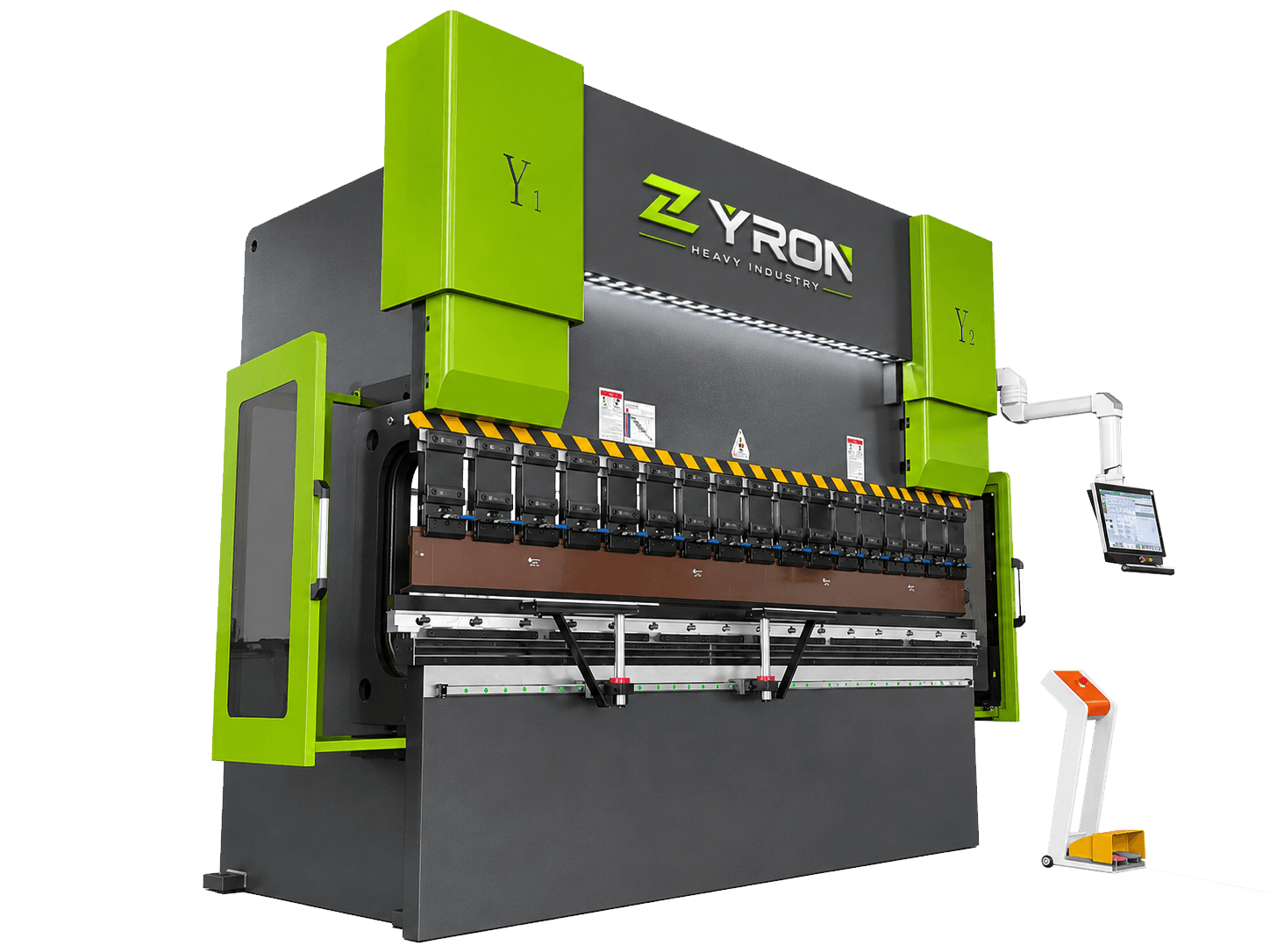
An electro-hydraulic servo CNC press brake designed for accurate sheet metal bending, complex parts, multi-step production and high-demand fabrication workshops. It combines servo-hydraulic synchronization, CNC control, precision back gauge positioning and optional crowning system to help customers achieve stable and repeatable bending results.
Production Challenges
Start with the real workpiece, production rhythm and consistency requirement before selecting axes, controls and tooling.
01
For more stable angles, more complex workpieces and higher repeatability, electro-hydraulic servo CNC control provides a stronger platform for precision sheet-metal production.
02
CNC programs, stored bending steps, back-gauge positioning and a confirmed tooling plan reduce repeated manual measurement and setup work.
03
A rigid frame, suitable tooling and an optional crowning system can help manage deflection and improve consistency along the bending length.
04
Optional multi-axis back gauges provide more positioning flexibility for multi-step bends, irregular parts and repeat batch production.
05
Compared with basic NC or torsion-bar machines, this platform better serves customers needing Y1/Y2 closed-loop control, more axes and demanding production workflows.
Solution Positioning
Three production contexts show how closed-loop ram control, CNC programming and configurable positioning fit different fabrication workflows.
Configure the controller, axes, tooling and compensation around actual part drawings rather than selecting the machine by tonnage alone.
Programmed bending steps and CNC back-gauge positioning support repeated cabinet dimensions and multi-side components.
Machine tonnage, bending length, V-die opening and part geometry are reviewed together for the target product range.
Real Industry Context
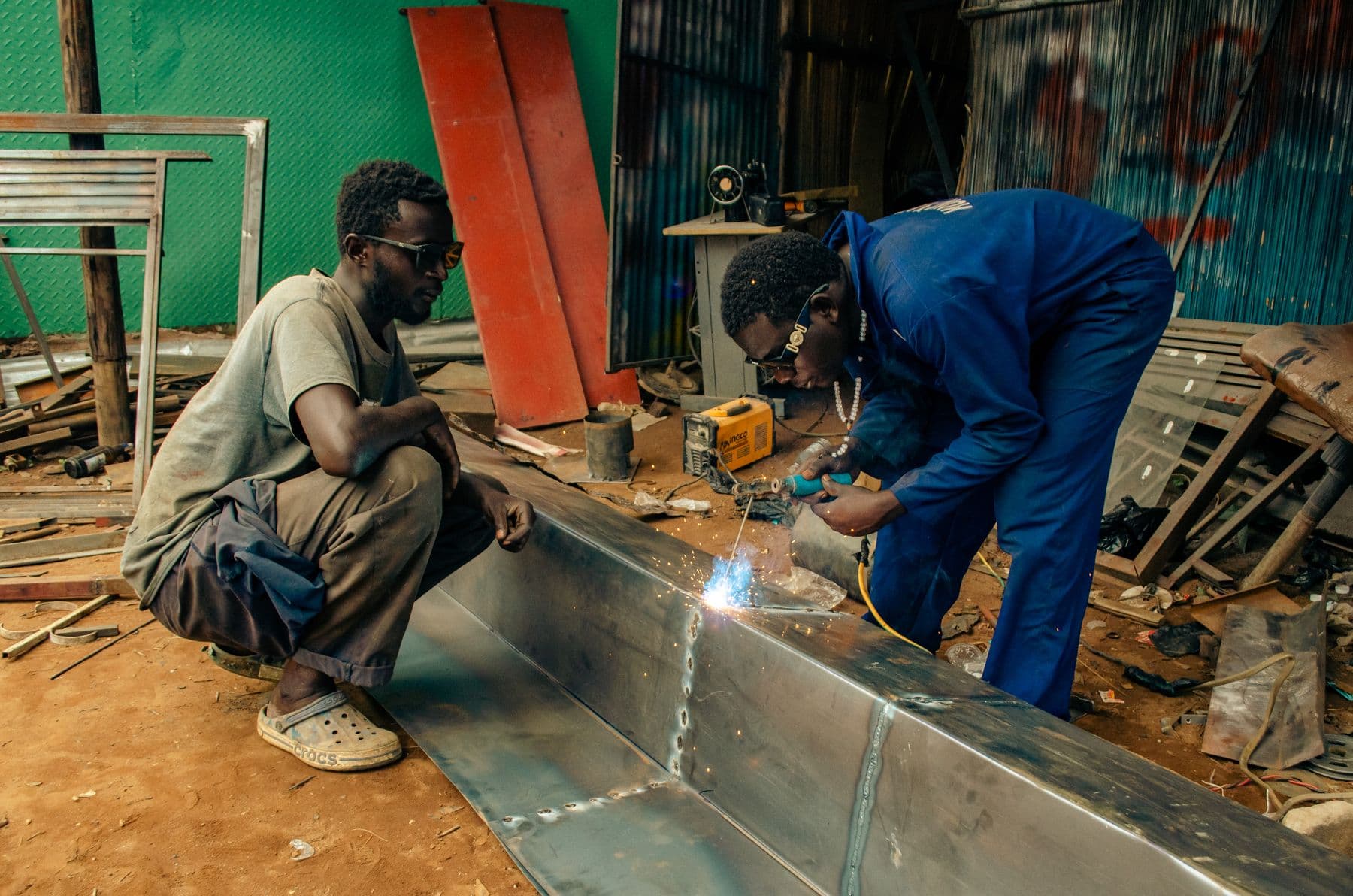
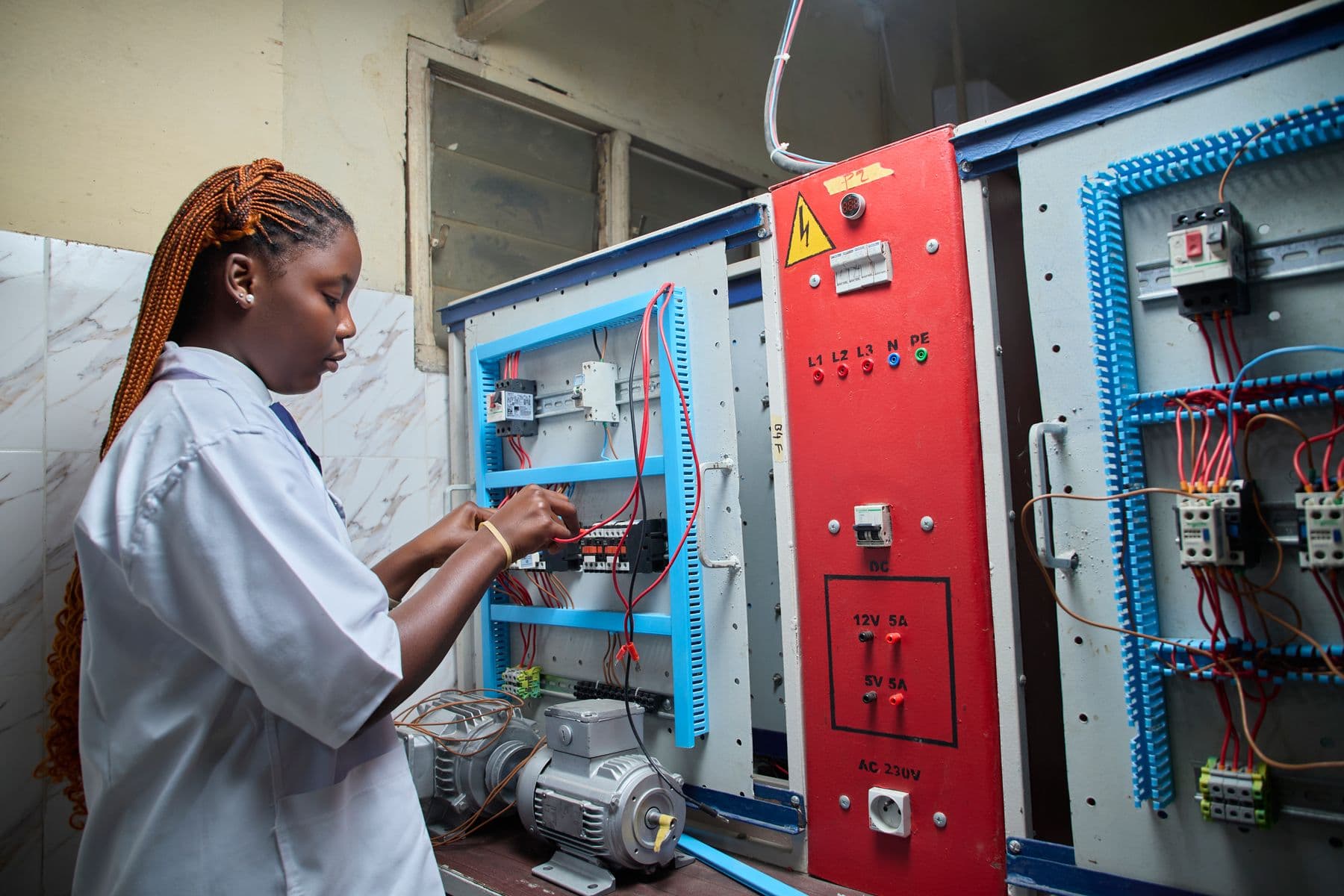
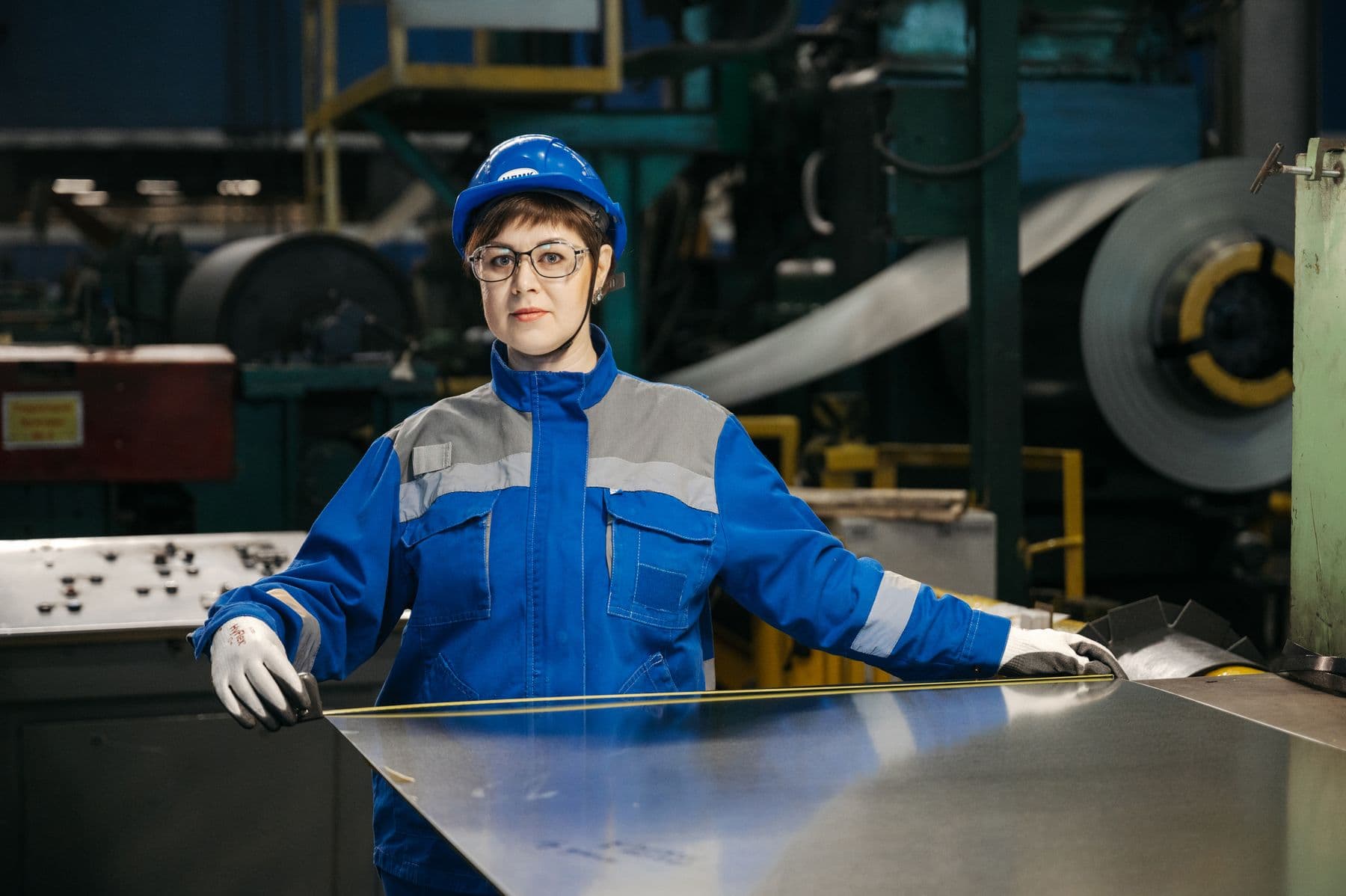
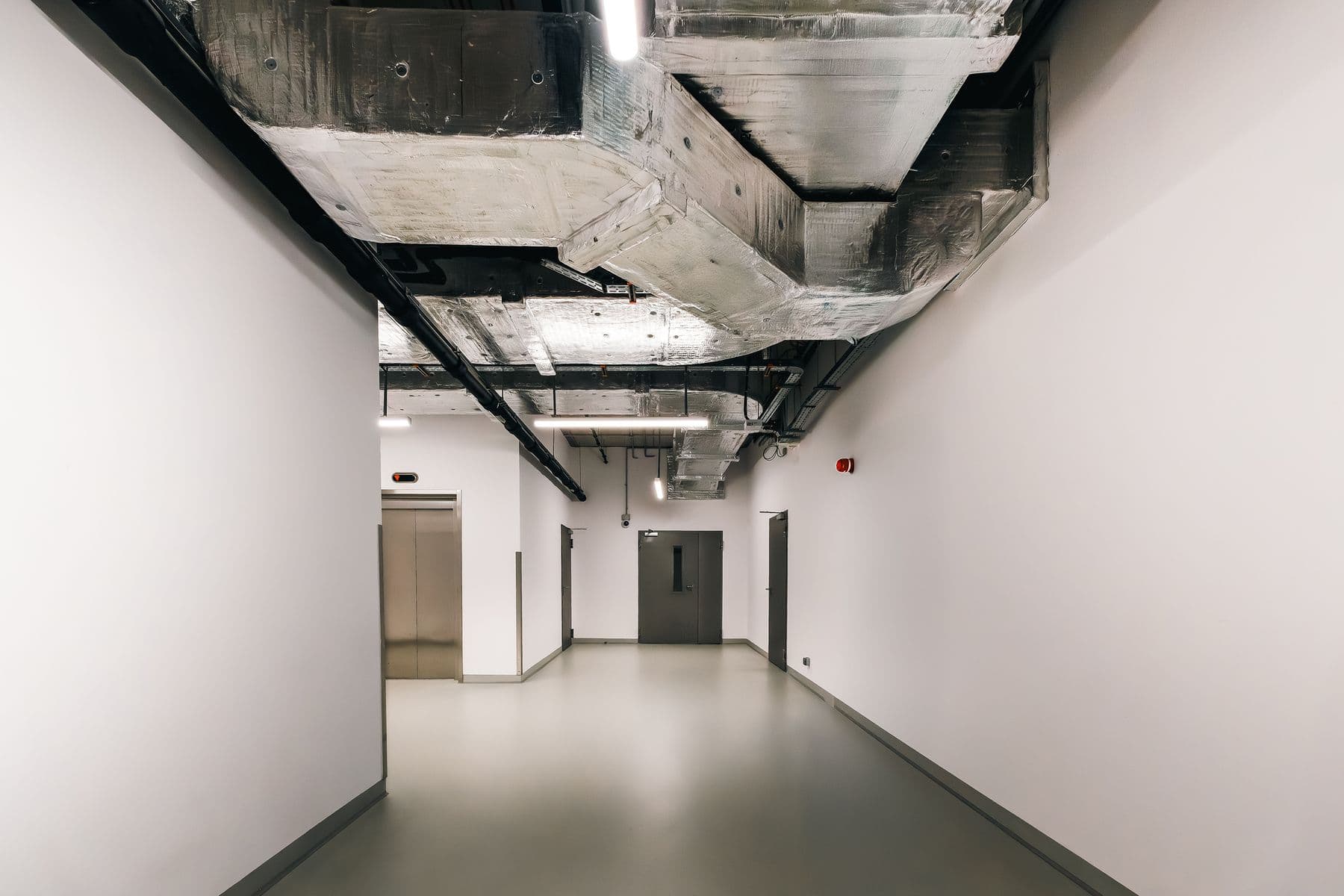
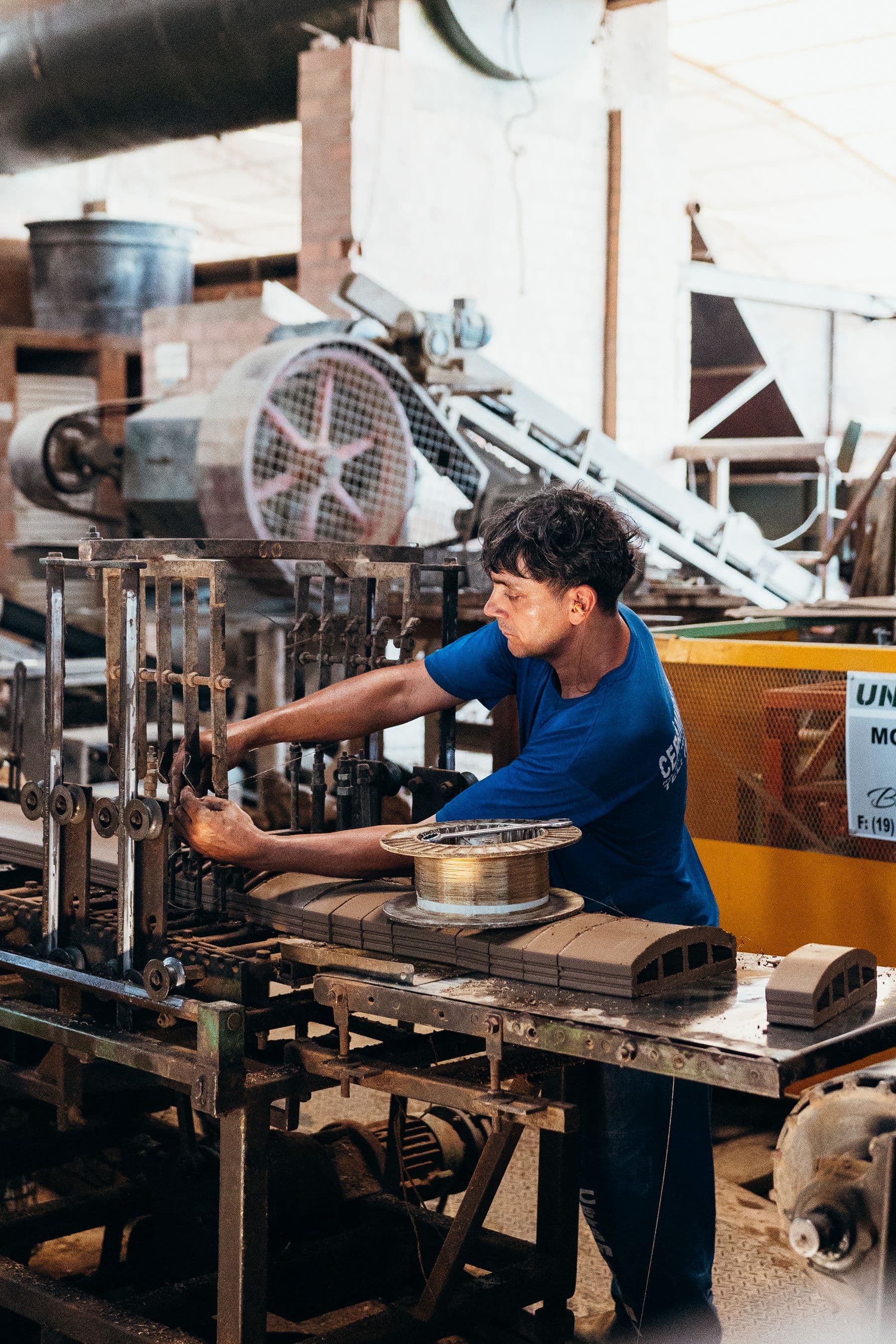
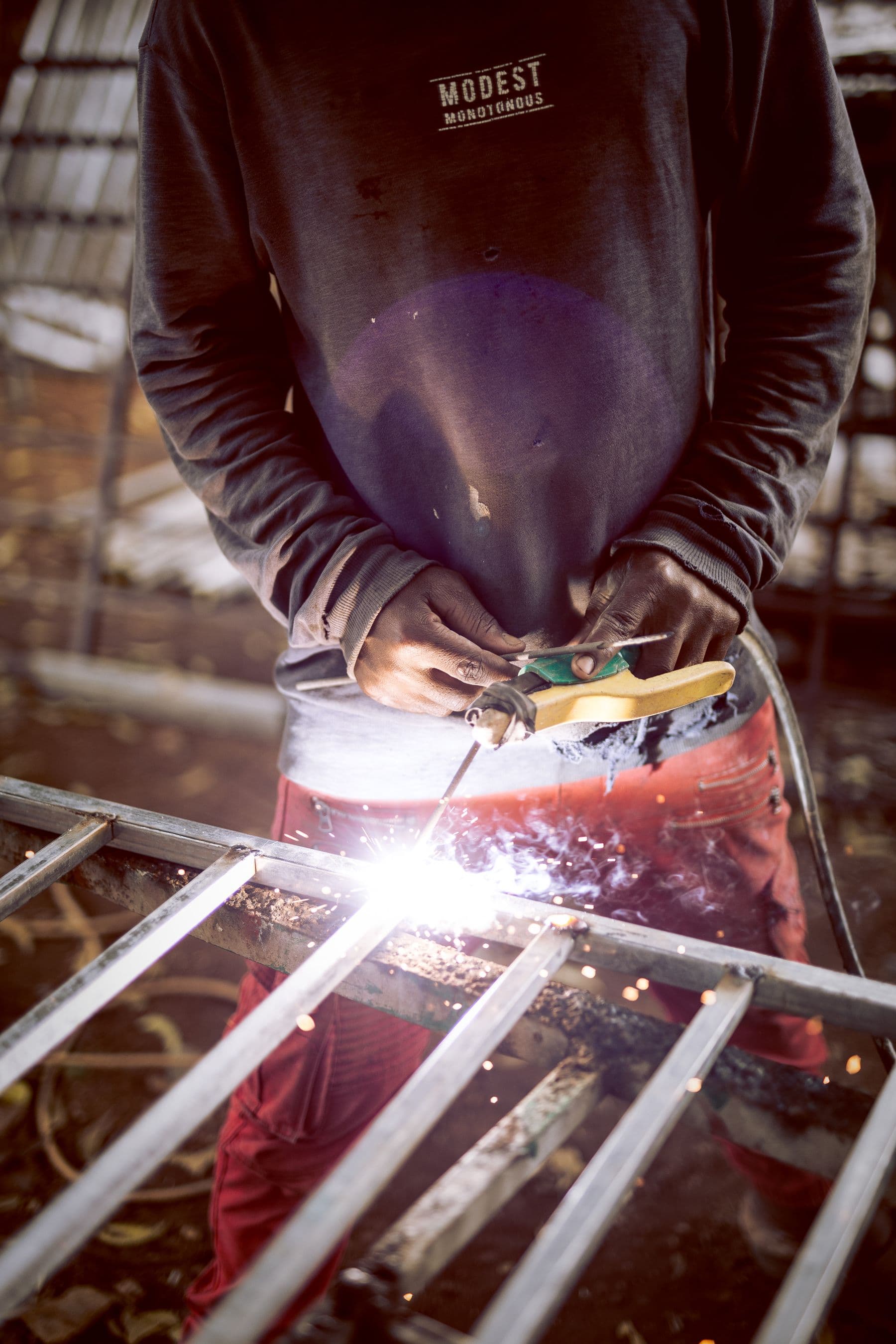
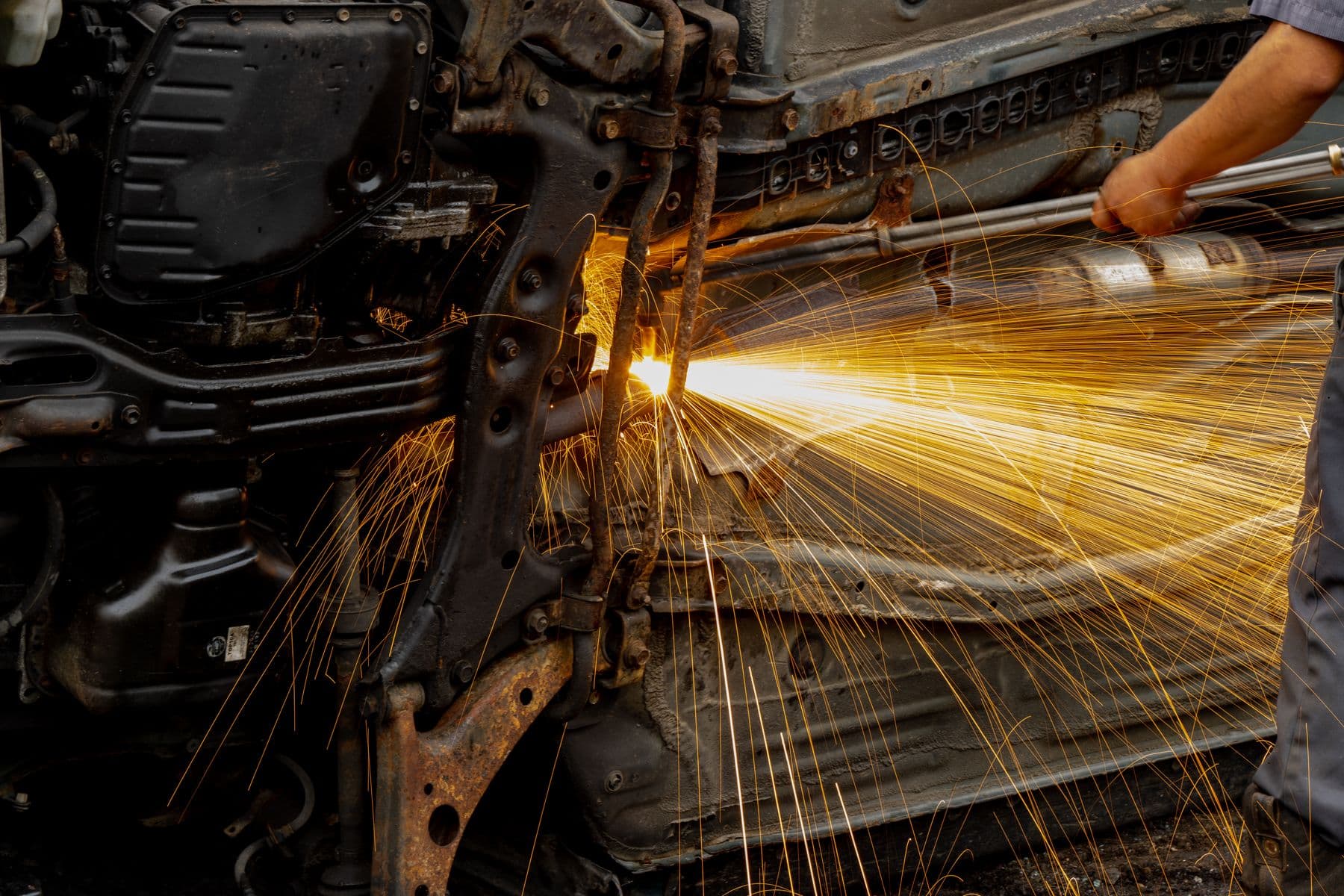
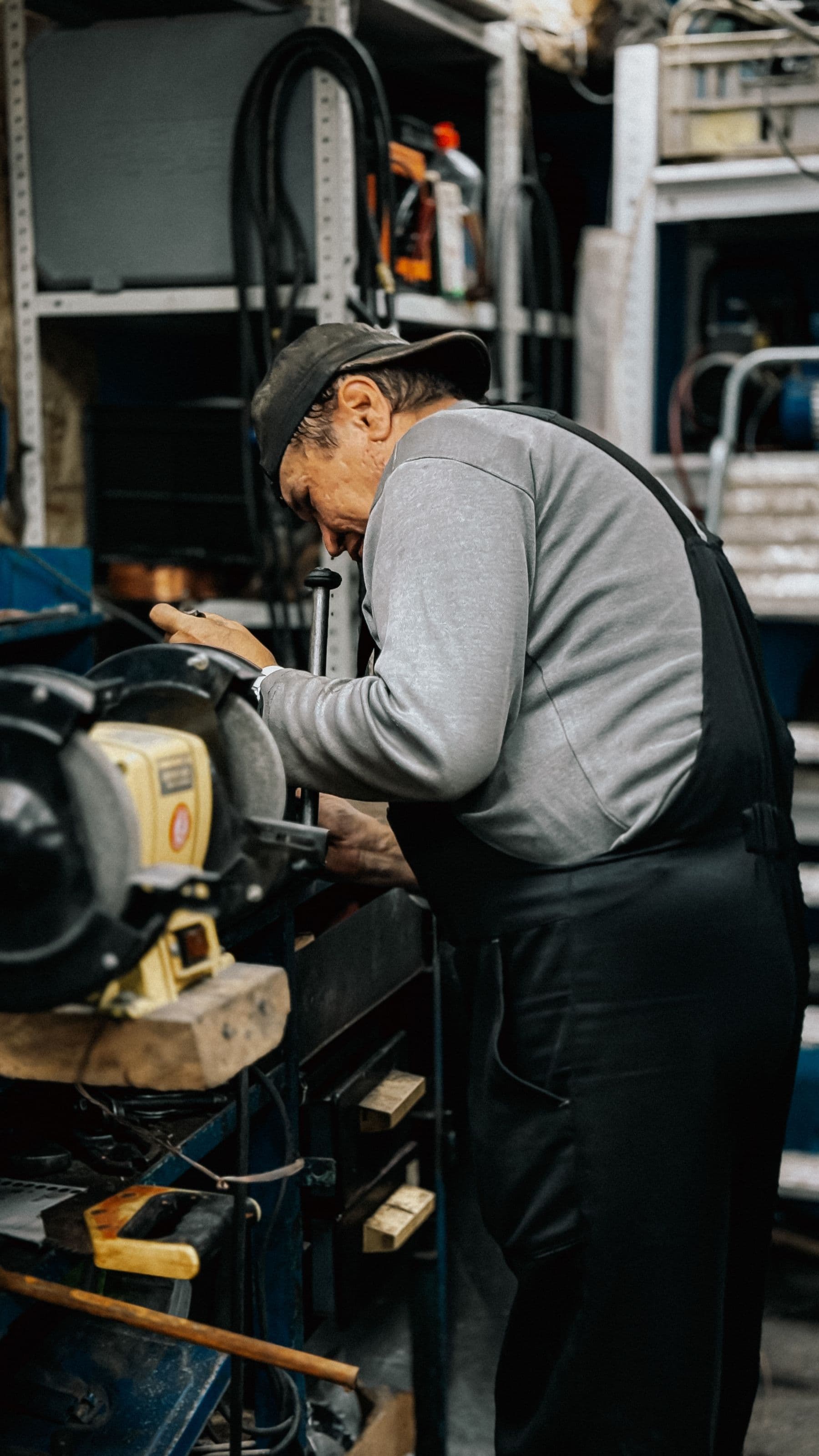
Nine real industrial photographs show representative production environments and downstream products. They are application references, not customer cases or photos of this exact machine.
 01
01Supports multi-step parts, frequent job changes and repeat production where controlled ram movement and flexible positioning are important.
 02
02Well suited to cabinet doors, side panels, mounting plates, housings and reinforcement parts with recurring bend sequences.
 03
03Provides a configurable platform for stainless-steel panels and products when tonnage, tooling and crowning are matched to the part.
 04
04Handles suitable duct panels, transitions, flanges and ventilation components that require programmed press-brake forming.
 05
05Forms guards, covers, brackets and machine components for workshops coordinating cutting, bending, welding and assembly.
 06
06Suitable for prepared gussets, plates, covers and secondary structural components within the selected machine capacity.
 07
07Supports complex brackets, covers and formed components that may need several positions and repeatable bending programs.
 08
08Produces suitable doors, panels, frames and profiles for metal furniture, architectural products and equipment housings.
 09
09Adds higher-level CNC control to mixed workshop production where parts, materials and bend sequences change frequently.
Bending Materials
The suitable bending thickness depends on material strength, bending length, V-die opening, bending angle, tooling and machine tonnage. Please confirm your material and bending requirement before quotation.
Bending Process
A seven-step process view connects prepared sheet, CNC setup, controlled forming and downstream manufacturing.
01
Cut the sheet to the required size by fiber laser cutting machine, shearing machine or other cutting equipment.
02
Select suitable punch and die according to material, thickness, V opening, bending angle and part drawing.
03
Set bending steps, back gauge positions, stroke and production data through the CNC controller.
04
Use CNC-controlled back gauge axes to position the sheet for repeated and complex bending tasks.
05
The electro-hydraulic servo system controls ram movement to complete the bending process.
06
Check the bending angle and adjust tooling, crowning or program settings when needed.
07
Continue with welding, riveting, assembly, surface treatment or final product manufacturing.
Closed-loop ram control
The machine uses CNC control, proportional servo valves, hydraulic cylinders, linear scales and sensor feedback to coordinate the left and right cylinders through independent Y1/Y2 axes.
Programs, axes and production data
The CNC system can coordinate bending steps, Y1/Y2 ram movement, back-gauge positions and compensation functions according to the selected controller and axes.
Flexible part positioning
Back-gauge configuration directly affects positioning flexibility. Basic arrangements cover recurring straight bends, while additional axes support more complex flanges and part geometries.
Angle consistency starts with process matching
Long workpieces can be affected by frame and tooling deflection. Crowning and the correct punch-and-die combination help manage angle consistency across the bending length.
V-die opening affects bending force, minimum flange size and bending quality.
Stainless steel usually requires higher bending force than mild steel under comparable conditions.
Special profiles may require custom tooling and a drawing review.
Mechanical or CNC crowning should be selected from bending length, material, tooling and quality requirements.
Precision Machine Value
Electro-hydraulic servo synchronization for precision bending
Independent Y1/Y2 closed-loop ram control
CNC control for complex and repeated bending jobs
Multi-axis back gauge options for flexible positioning
Optional crowning for long-workpiece angle consistency
Whole welded steel frame for demanding workshop production
Upper punch, lower die and optional quick-clamp configuration
Integration with laser cutting, shearing, rolling and welding processes
Verified in current product data
Whole welded steel frame · Y1/Y2 electro-hydraulic servo control · CNC controller · Proportional servo valves and hydraulic cylinders · Linear scale feedback · Multi-axis back gauge options · Upper punch and lower die · Mechanical or CNC crowning options
Objective Selection
Each press-brake platform serves a different production need. Compare synchronization, axes, workpiece complexity and investment level before selecting.
| Compare by | NC Press Brake | Torsion Bar CNC Press Brake | Electro-Hydraulic Servo CNC |
|---|---|---|---|
| Synchronization method | Mechanical torsion-bar synchronization in common entry-level configurations. | Mechanical torsion bar coordinates both sides of the ram. | Y1/Y2 electro-hydraulic closed-loop synchronization with feedback. |
| Control system | Basic NC control for regular settings and back-gauge positioning. | CNC control for programmed positioning and regular bending work. | Advanced CNC control coordinating ram, back gauge and optional compensation. |
| Axis configuration | Commonly focused on basic X/Y-related settings. | Common CNC axes for standard production, depending on configuration. | Y1/Y2 with X, R, Z1/Z2 and other optional coordinated axes. |
| Suitable production type | Regular parts and budget-conscious small or medium batches. | Standard CNC sheet-metal work and recurring small or medium batches. | Precision parts, frequent changeovers, complex jobs and demanding batches. |
| Bending complexity | Basic and conventional bending sequences. | Standard multi-step parts within the selected control capability. | More complex multi-step workpieces and flexible positioning requirements. |
| Angle consistency | Suitable for conventional requirements with correct setup and tooling. | Stable for standard work when machine, tooling and process are matched. | Closed-loop ram control and optional crowning support demanding consistency needs. |
| Cost level | Economical entry-level solution. | Mid-level CNC investment for standard production. | Higher investment for closed-loop control, more axes and advanced functions. |
| Recommended use | Basic workshop bending where cost and simple operation are priorities. | Standard sheet-metal production needing CNC positioning at a controlled budget. | Precision fabrication, complex parts, higher stability and future automation planning. |
Connected Production
The electro-hydraulic servo CNC press brake is not only a single machine, but also a core bending machine in a complete sheet metal fabrication workflow.
Joins bent components into frames, housings and assemblies.
Adds grinding, coating, painting or final finishing.
Can be reviewed for higher-volume or automated bending requirements.
Configuration Guide
Provide the real part and production requirement so tonnage, length, axes, controller, tooling and compensation can be reviewed as one system.
Original Product Data
All 16 columns and 26 model rows below come directly from the existing electro-hydraulic servo CNC press-brake dataset.
| Machine Model | Nominal Pressure(kN) | Max. Bending Width(mm) | Distance Between Uprights(mm) | Throat Depth(mm) | Cylinder Stroke(mm) | Die Setting Height(mm) | Main Motor Power(kW) | Oil Tank Volume(L) | Approaching Speed(mm/s) | Working Speed(mm/s) | Returning Speed(mm/s) | Length(mm) | Width(mm) | Height(mm) | Weight(kg) |
|---|---|---|---|---|---|---|---|---|---|---|---|---|---|---|---|
| 50T1600 | 500 | 1600 | 1300 | 205 | 100 | 540 | 5.5 | 160 | 230 | 0-15 | 140 | 2200 | 1450 | 2155 | 3700 |
| 80T2500 | 800 | 2500 | 2100 | 350 | 200 | 570 | 7.5 | 225 | 230 | 0-15 | 140 | 3220 | 1780 | 2650 | 5800 |
| 110T2500 | 1100 | 2500 | 2100 | 410 | 200 | 570 | 7.5 | 225 | 220 | 0-15 | 140 | 3240 | 1780 | 2680 | 7800 |
| 110T3200 | 1100 | 3200 | 2700 | 410 | 200 | 570 | 7.5 | 350 | 220 | 0-15 | 140 | 4030 | 1780 | 2680 | 8000 |
| 110T4000 | 1100 | 4000 | 3300 | 410 | 200 | 570 | 7.5 | 350 | 220 | 0-15 | 140 | 4830 | 1780 | 2780 | 10000 |
| 135T3200 | 1350 | 3200 | 2700 | 410 | 200 | 570 | 11 | 350 | 200 | 0-15 | 140 | 4030 | 1790 | 2750 | 8800 |
| 135T4000 | 1350 | 4000 | 3300 | 410 | 200 | 570 | 11 | 430 | 200 | 0-15 | 140 | 4830 | 1790 | 2850 | 9800 |
| 135T5000 | 1350 | 5000 | 4100 | 410 | 200 | 570 | 11 | 550 | 180 | 0-15 | 90 | 5830 | 1790 | 3100 | 15200 |
| 135T6000 | 1350 | 6000 | 4900 | 410 | 200 | 570 | 11 | 550 | 180 | 0-15 | 90 | 6830 | 1790 | 3200 | 17700 |
| 175T2500 | 1750 | 2500 | 2100 | 410 | 200 | 570 | 11 | 225 | 200 | 0-15 | 140 | 3350 | 1800 | 2730 | 8700 |
| 175T3200 | 1750 | 3200 | 2700 | 410 | 200 | 570 | 11 | 350 | 200 | 0-15 | 140 | 4050 | 1800 | 2730 | 9800 |
| 175T4000 | 1750 | 4000 | 3300 | 410 | 200 | 570 | 11 | 430 | 200 | 0-15 | 140 | 4700 | 1800 | 2830 | 12100 |
| 175T5000 | 1750 | 5000 | 4100 | 410 | 200 | 570 | 11 | 550 | 160 | 0-15 | 90 | 5700 | 1800 | 3080 | 17000 |
| 175T6000 | 1750 | 6000 | 4900 | 410 | 200 | 570 | 11 | 550 | 160 | 0-15 | 90 | 6700 | 1800 | 3180 | 20000 |
| 210T3200 | 2100 | 3200 | 2700 | 410 | 200 | 570 | 15 | 350 | 160 | 0-13 | 140 | 4020 | 1850 | 2850 | 11500 |
| 210T4000 | 2100 | 4000 | 3300 | 410 | 200 | 570 | 15 | 430 | 160 | 0-13 | 140 | 4820 | 1850 | 3100 | 13800 |
| 210T5000 | 2100 | 5000 | 4100 | 410 | 200 | 570 | 15 | 550 | 130 | 0-13 | 90 | 5820 | 1850 | 3250 | 18200 |
| 210T6000 | 2100 | 6000 | 4900 | 410 | 200 | 570 | 15 | 550 | 130 | 0-13 | 90 | 6820 | 1850 | 3350 | 21000 |
| 250T3200 | 2500 | 3200 | 2700 | 410 | 250 | 570 | 18.5 | 350 | 130 | 0-13 | 110 | 4050 | 1860 | 3000 | 14000 |
| 250T4000 | 2500 | 4000 | 3300 | 410 | 250 | 570 | 18.5 | 430 | 130 | 0-13 | 110 | 4850 | 1860 | 3100 | 16000 |
| 250T5000 | 2500 | 5000 | 4100 | 410 | 250 | 570 | 18.5 | 550 | 120 | 0-13 | 80 | 5850 | 1860 | 3250 | 21200 |
| 250T6000 | 2500 | 6000 | 4900 | 410 | 250 | 570 | 18.5 | 550 | 120 | 0-13 | 80 | 6850 | 1860 | 3350 | 24600 |
| 320T3200 | 3200 | 3200 | 2700 | 410 | 250 | 600 | 22 | 460 | 100 | 0-13 | 90 | 4600 | 2260 | 3400 | 17700 |
| 320T4000 | 3200 | 4000 | 3300 | 410 | 250 | 600 | 22 | 460 | 100 | 0-13 | 90 | 5400 | 2260 | 3500 | 20300 |
| 320T5000 | 3200 | 5000 | 4100 | 410 | 250 | 600 | 22 | 550 | 90 | 0-13 | 90 | 6430 | 2260 | 3680 | 26100 |
| 320T6000 | 3200 | 6000 | 4900 | 410 | 250 | 600 | 22 | 550 | 90 | 0-13 | 90 | 7430 | 2260 | 3850 | 30400 |
Final specifications depend on sheet material, thickness, bending length, tooling, controller, back gauge axes, crowning system and selected machine configuration.
Buyer Questions
Answers use the current product information and keep controller, axes, tooling and compensation details configuration-dependent.
It is a sheet-metal bending machine that uses Y1/Y2 electro-hydraulic closed-loop control to coordinate both sides of the ram while a CNC system manages bending programs, back-gauge positions and configured machine functions.
It is commonly used for mild steel, stainless steel, galvanized sheet, aluminum and copper. Capacity depends on material strength, thickness, bending length, tooling and machine tonnage.
A torsion-bar CNC press brake uses mechanical torsion-bar synchronization and suits standard CNC bending. The electro-hydraulic machine uses independent Y1/Y2 feedback control and is better suited to more axes, complex parts and demanding consistency requirements.
An NC press brake is intended for basic and regular bending. An electro-hydraulic CNC press brake provides closed-loop ram control and broader axis and programming options for complex parts and frequent job changes.
Yes. It is commonly selected for precision sheet metal, cabinets, enclosures, stainless-steel products and equipment housings, with the final configuration confirmed from part drawings and production requirements.
Yes, provided tonnage and tooling are selected for the stainless-steel grade, strength, thickness, bending length, V-die opening and required angle.
Provide the material, thickness, bending length, V-die opening, angle and part drawing. An engineer should confirm tonnage and safety margin against the real application.
Basic positioning is suitable for regular bends. Parts with multiple flange heights or irregular geometry may benefit from X, R, Z1/Z2 or additional axes, confirmed from drawings.
Delem, ESA, Cybelec and other CNC system options may be available. The exact controller and graphical functions depend on the final axis configuration and order.
Crowning is commonly considered for long workpieces or demanding angle consistency. The method should be selected from bending length, material, thickness, tooling and quality requirements.
Tonnage, bending length, controller, back-gauge axes, voltage, tooling, safety configuration, clamps and crowning method can be reviewed before quotation.
Provide material, thickness, bending length, angle, part drawings, production quantity, voltage, controller and back-gauge requirements, tooling needs and destination country or port.
Explore Related Equipment
Talk to an Engineer
Send your material, thickness, bending length, drawing and production requirement. We will recommend a suitable electro-hydraulic servo CNC press brake configuration for your workshop.