
01
Straight ends increase correction work
The leading and trailing edges may need pre-bending or a planned secondary pass before seam joining.
Product Directory
Rectangular Duct Seam Closing Machine
Sheet Metal Notching Machine
Auto Duct Production Line
Round Duct Elbow Making Machine
Duct Beading Machine
Angle Iron Flange Rolling Machine
Spiral Duct Production Line
Language
Practical cylinder, arc and cone rolling for small and medium metal fabrication workshops.
A compact three-roll platform for forming compatible plate and sheet into cylinders, arcs, cones and curved components. Share your material, thickness, working width and target diameter so our team can recommend the right configuration.
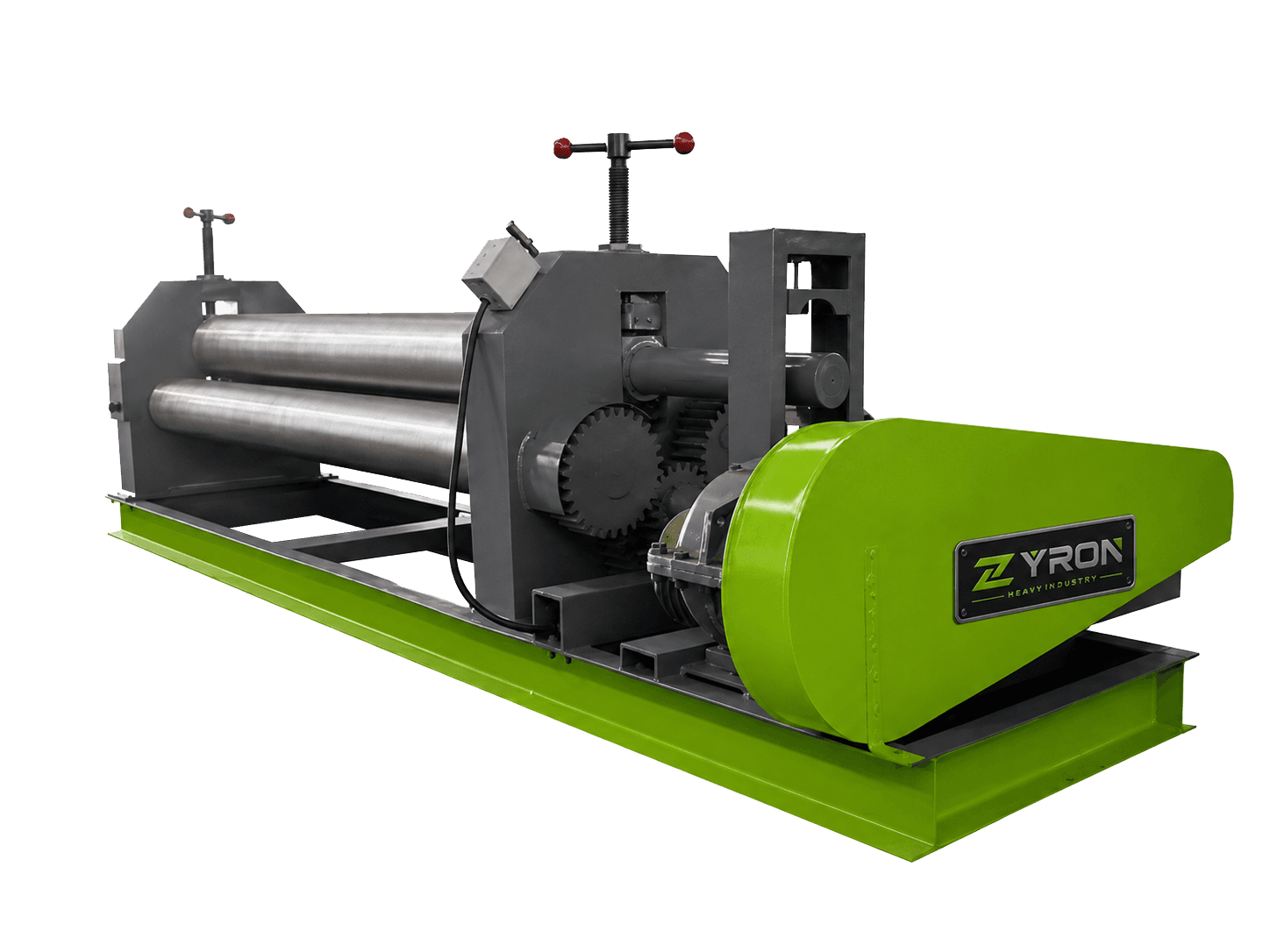
Three-roll platform
Final configuration subject to confirmation
Rolling problems
Successful rolling depends on more than machine size. Edge condition, springback, support and the pass plan all affect the finished part.
The leading and trailing edges may need pre-bending or a planned secondary pass before seam joining.
Material strength, thickness, roll position, springback and blank preparation all affect the final curve.
Tapered blanks require a compatible machine setup, suitable attachment and an experienced operating method.
Unsupported plate and finished cylinders can deflect or shift while entering, rolling or leaving the machine.
A general machine name cannot confirm capacity; the real workpiece envelope must drive selection.
Rolling solutions
Choose the process around the part geometry instead of forcing every job into the same rolling method.
Build a repeatable pass sequence around the actual material and downstream seam process.
Match the roll setting and support method to arc length, radius and surface requirements.
Confirm small-end diameter, large-end diameter, cone angle and any required attachment.
Real applications
These real photographs show representative downstream parts and industries. Final machine suitability is confirmed from your drawings and material.
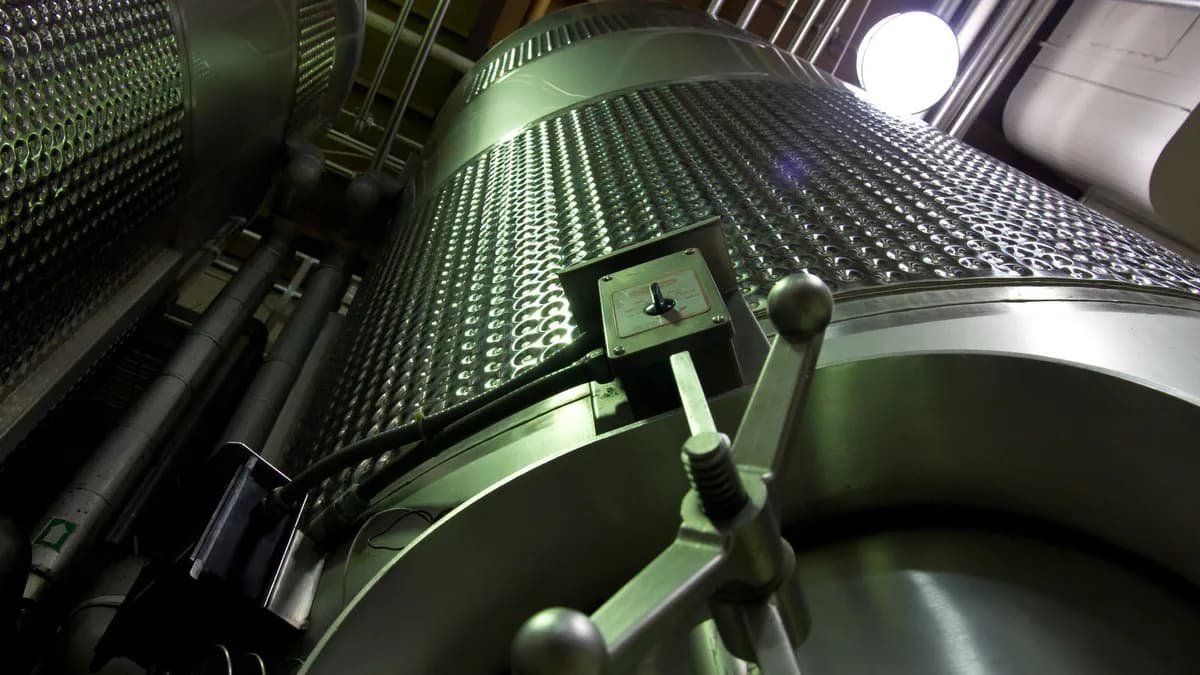
Real stainless process vessels illustrate cylindrical shells assembled after rolling, seam joining and finishing.
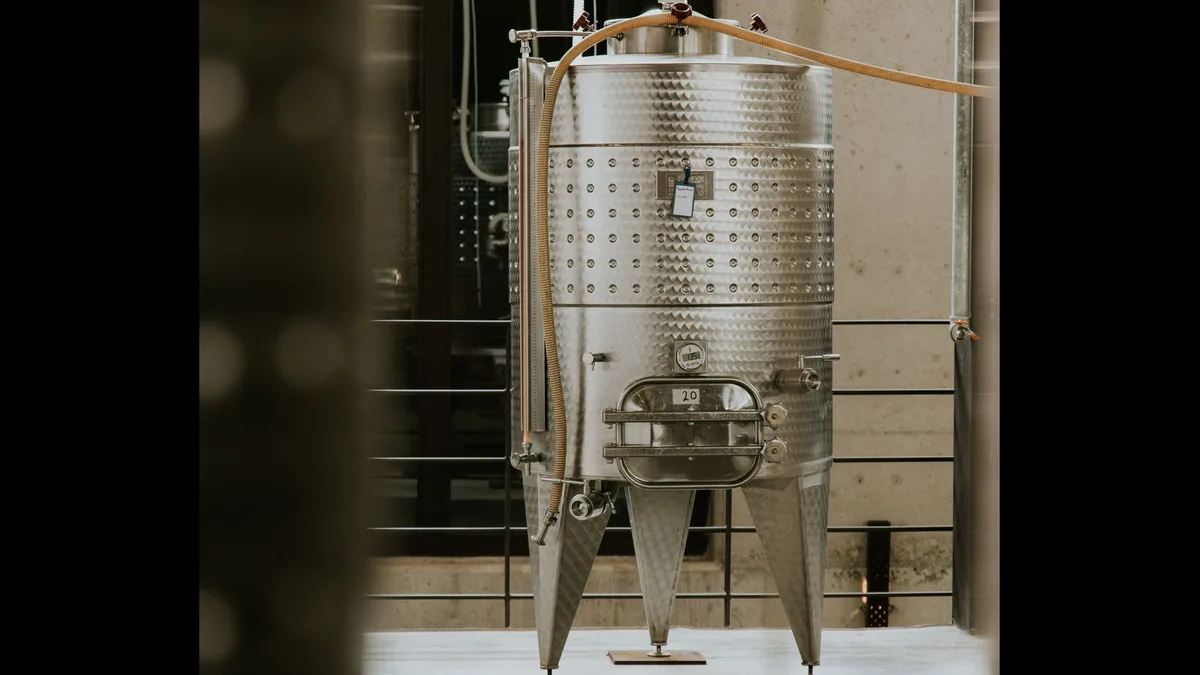
Stainless vessels represent round products where material finish, seam allowance and target diameter need early confirmation.
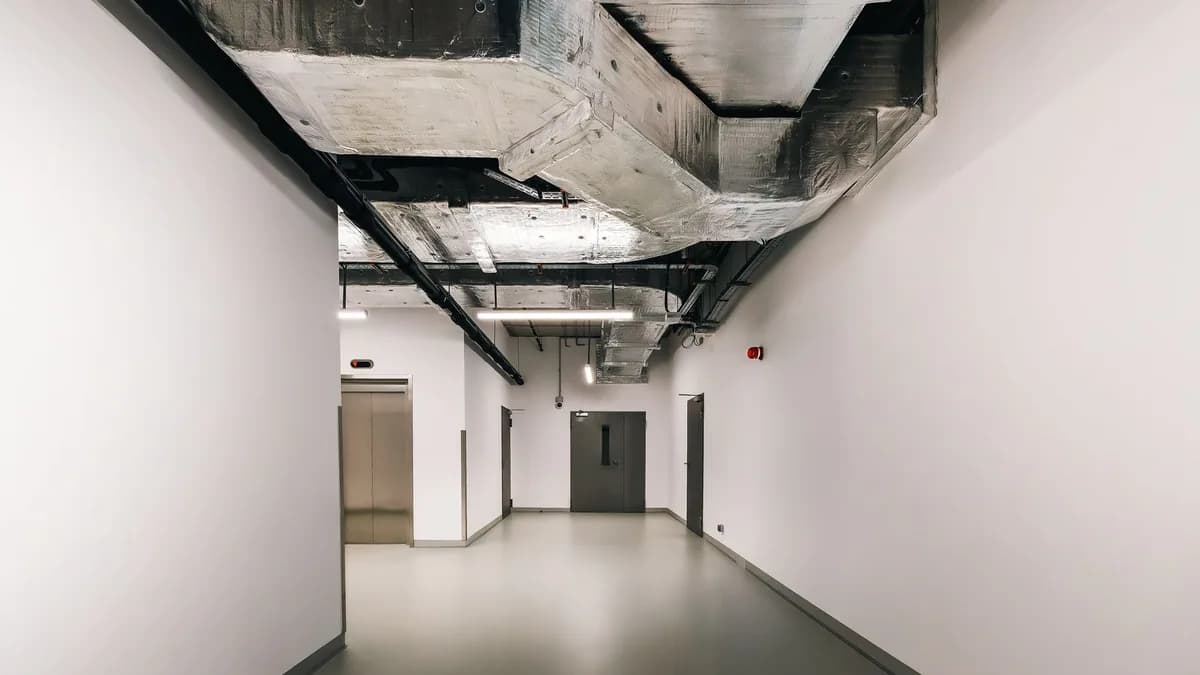
Installed ductwork shows how rolled sections continue into elbows, connectors, insulation and final air-handling systems.
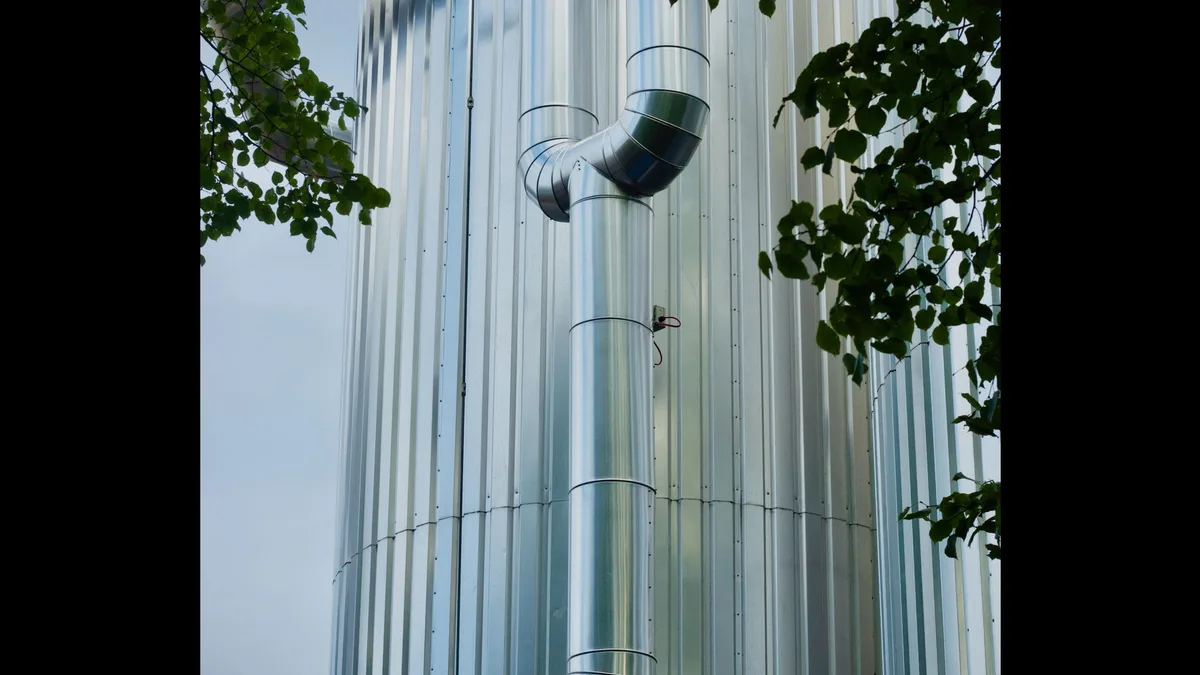
Round sheet-metal pipes and segmented elbows represent repeatable cylindrical fabrication for ventilation and industrial routing.
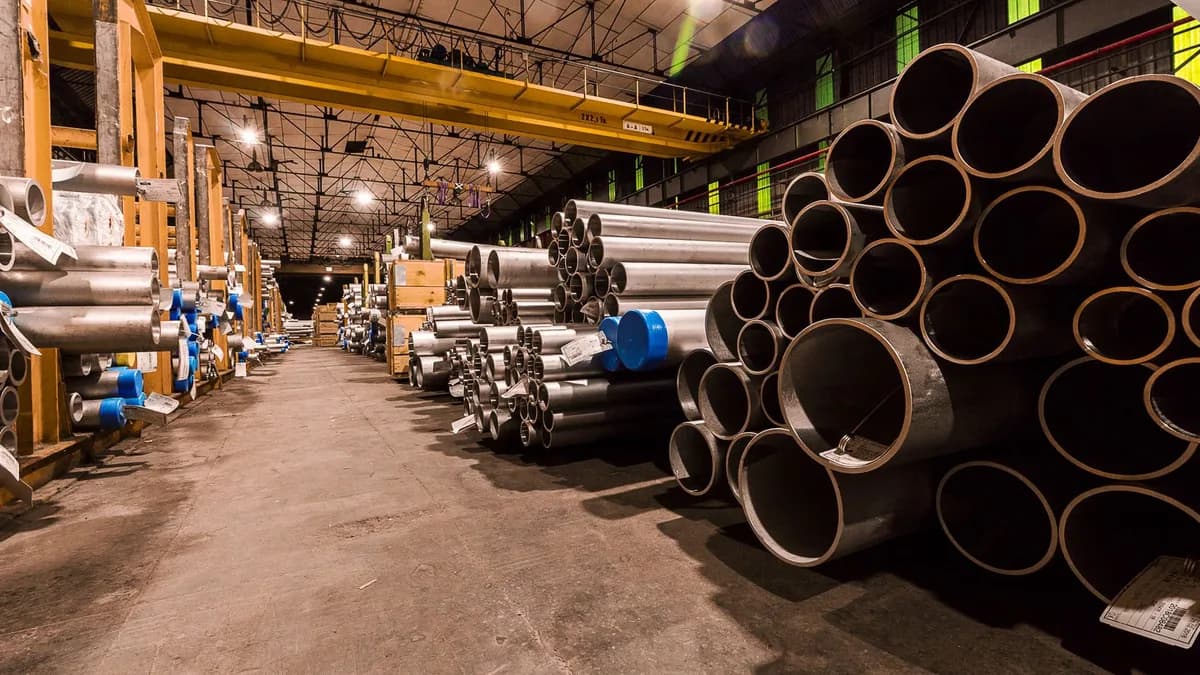
A real warehouse of large circular sections demonstrates the geometry needed for pipe, sleeve and shell production.
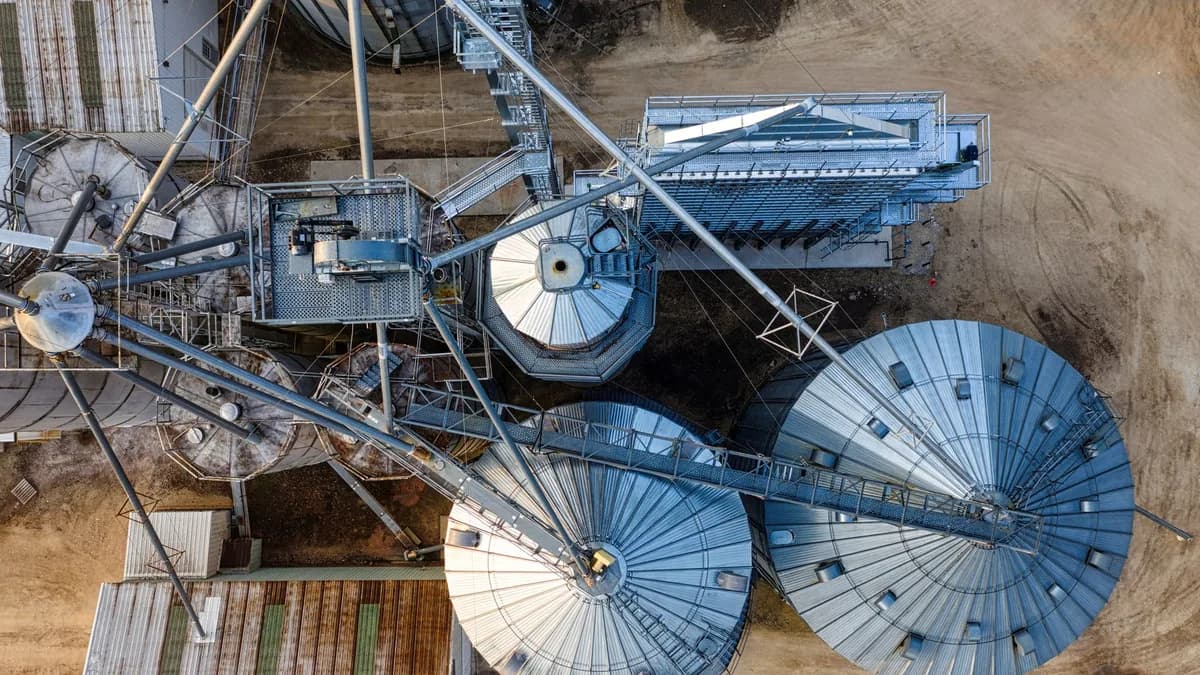
Real conical silo roofs demonstrate tapered geometry that requires a compatible blank, attachment and controlled feeding method.
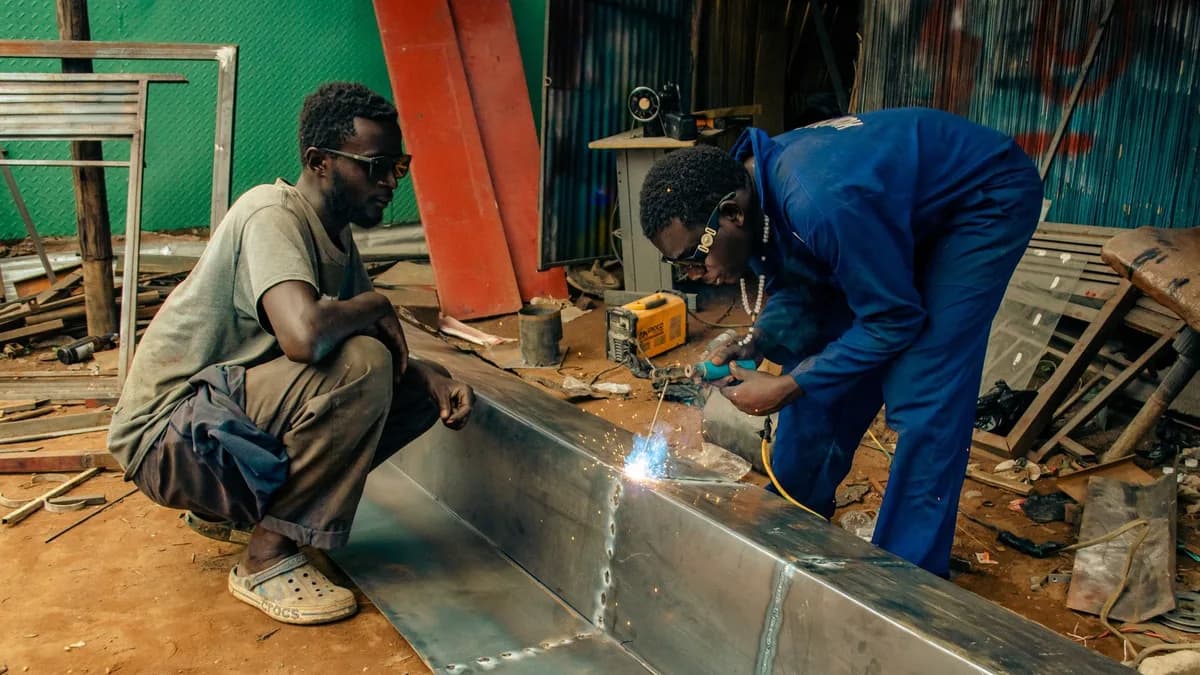
Industrial stainless housings show how formed shell panels can be joined into durable processing equipment enclosures.

Large segmented storage bodies illustrate how rolled plates are joined into longer cylindrical structures in downstream fabrication.

A real curved metal facade demonstrates arc-forming applications beyond complete cylinders and circular shells.
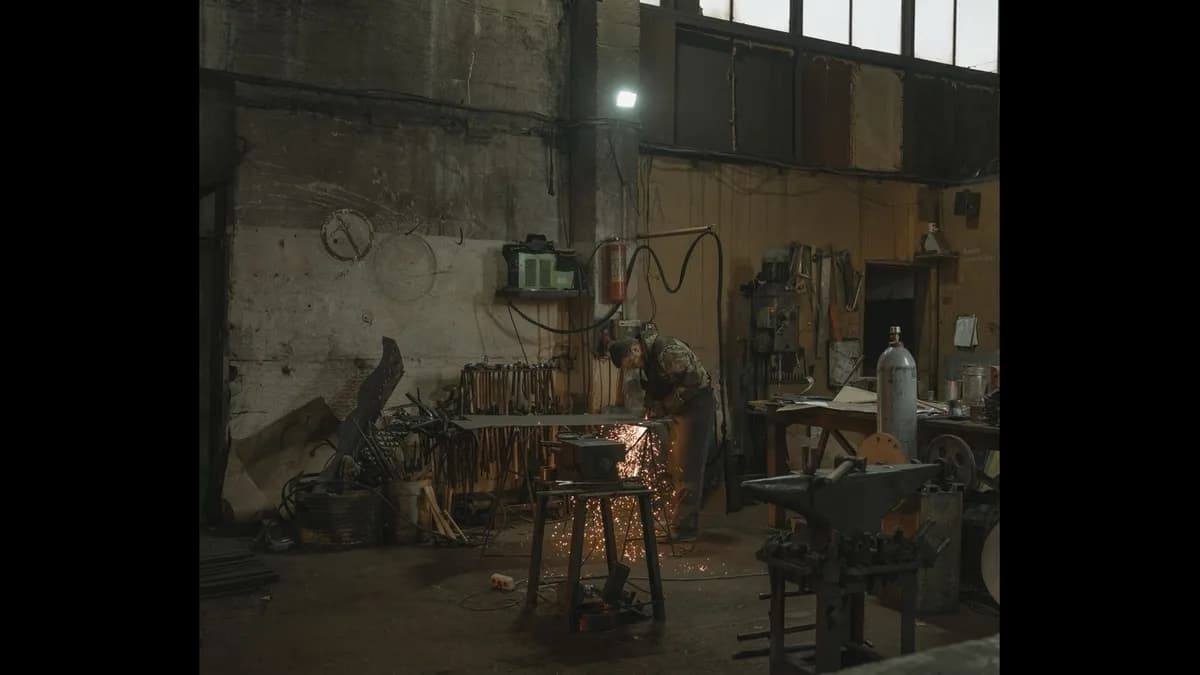
Rolling belongs to a wider workflow that includes blank preparation, welding, grinding, inspection and assembly.
Materials
Nominal thickness alone is not a complete capacity input. Strength, temper, coating and surface protection matter.
Confirm grade, thickness, width, target radius and surface condition.
Confirm grade, finish-protection needs and expected springback.
Confirm alloy, temper, surface sensitivity and target geometry.
Confirm coating condition, forming radius and downstream seam method.
Send a material specification before capacity and tooling selection.
Formed shapes
Round shells prepared for seaming, welding or assembly.
Partial curves for panels, guards, covers and structural segments.
Tapered parts formed with a confirmed setup and operating method.
Application-specific profiles evaluated from drawings and samples.
Rolling process
Progressive checks help the operator respond to springback and avoid unnecessary correction at the joining stage.
01
Cut to size, remove burrs and verify grain, surface and seam allowance.
02
Establish an initial position from material, thickness and target curve.
03
Reduce the straight end before the main rolling passes.
04
Use controlled passes and measure the curve between adjustments.
05
Compare diameter, arc or taper with the drawing before discharge.
06
Move the formed part to seaming, welding, grinding and final inspection.
Pre-bending
Because the plate needs support between rolls, the leading and trailing edges can retain a straight section. A suitable pre-bending method, blank allowance and pass sequence help reduce correction work. The achievable result depends on material, thickness, diameter and the configured roll arrangement.
Three-roll structure
The existing product photograph remains the source of truth for visible machine structure. Optional functions require confirmation.
Provides the main forming reference and works with the lower rolls to establish curvature.
Support and feed the blank while their relative position helps control the forming path.
Hold the roll assembly and transmission components in a compact workshop footprint.
The shown machine includes external gearing and mechanical adjustment points; final drive and adjustment details follow the selected configuration.
Semi-automatic operation
The selected drive and controls assist movement while setup, support and geometry checks remain part of the workshop process.
Adjust the machine for the actual blank and target geometry.
Keep the plate aligned and supported as it enters the rolls.
Run controlled forward or reverse passes as the chosen configuration allows.
Use a template or dimensional check before making the next correction.
Support the completed part and follow the configured discharge method.
Machine advantages
A familiar forming principle for cylinders, arcs and compatible cones.
Combines powered or assisted movement with operator-led setup and inspection as configured.
Useful for changing jobs when each workpiece is evaluated before setup.
Fits between blank preparation and welding without creating an oversized automated line.
Machine details are matched to material, thickness, width and minimum diameter.
Supports a complete cutting, rolling, welding and finishing workflow.
Machine comparison
The table is a selection guide, not a substitute for a technical configuration review.
| Selection point | Manual three-roll | Semi-automatic three-roll | Four-roll |
|---|---|---|---|
| Best fit | Occasional light work | Flexible small- and medium-batch work | Higher-throughput configured lines |
| Operator involvement | High | Moderate and process-led | Lower when automation is configured |
| Setup flexibility | Simple manual adjustments | Balanced flexibility and assisted operation | Application-specific control options |
| Pre-bending | Depends on design and operator method | Available by confirmed arrangement and process | Often integrated, configuration dependent |
| Investment level | Lower | Balanced | Higher |
Fabrication workflow
Prepare consistent plate geometry with shearing or laser cutting.
Remove sharp edges and identify orientation, centerlines and seam allowance.
Use the approved pass sequence and support method.
Verify diameter, radius, taper and edge condition.
Weld or seam, then grind, treat and inspect the completed assembly.
Selection guide
Send these details with a drawing or representative part so the engineering discussion starts from real production needs.
Grade, yield strength, temper, coating and surface finish.
Nominal thickness plus any range of planned jobs.
Maximum blank width along the roll axis.
Minimum and typical finished inside or outside diameter.
Cylinder, arc, cone or drawing-defined transition.
Batch size, changeover frequency and desired operator assistance.
Technical specifications
The four original values are shown unchanged. Every added field remains customizable and must be confirmed with our sales engineer.
| Model | Rolling Capacity | Roll Structure | Operation Mode | Workpiece | Rolling Lengthmm | Plate Thicknessmm | Pre-bending Thicknessmm | Minimum Rolling Diametermm | Top Roll Diametermm | Bottom Roll Diametermm | Side Roll Diametermm | Motor PowerkW | Rolling Speedm/min | VoltageV | Machine Sizemm | Machine Weightkg | Application |
|---|---|---|---|---|---|---|---|---|---|---|---|---|---|---|---|---|---|
| Semi-Automatic Three-Roll Plate Rolling Machine | Selected by plate thickness, width, material, and minimum diameter | Two-roll, three-roll, or four-roll construction | Electric, semi-automatic, fully automatic, or hydraulic | Cylinders, arcs, cones, and curved sheet components | Customizable / Please confirm with our sales engineer | Customizable / Please confirm with our sales engineer | Customizable / Please confirm with our sales engineer | Customizable / Please confirm with our sales engineer | Customizable / Please confirm with our sales engineer | Customizable / Please confirm with our sales engineer | Customizable / Please confirm with our sales engineer | Customizable / Please confirm with our sales engineer | Customizable / Please confirm with our sales engineer | Customizable / Please confirm with our sales engineer | Customizable / Please confirm with our sales engineer | Customizable / Please confirm with our sales engineer | Customizable / Please confirm with our sales engineer |
Scroll the table horizontally on smaller screens. Configuration-dependent values are intentionally not replaced with unverified numeric data.
Workshop notes
Confirm floor loading, service access, lifting path and operating clearance.
Plan suitable side or overhead support for long plates and large finished shells.
Confirm local voltage, frequency, phase and protection before manufacturing.
Use trained personnel, an approved pass plan and suitable measuring templates.
Provide representative blanks when surface finish, springback or cone forming is critical.
Follow the delivered lubrication, inspection and guarding instructions for the selected build.
FAQ
Please provide material grade, thickness, working width, minimum and typical diameter, part shape, drawings, batch size and local power supply.
Compatible cones may be rolled when the tapered blank, cone dimensions, machine configuration, attachment and operating method are confirmed together.
No universal result should be promised. Straight-end reduction depends on the pre-bending method, roll layout, material, thickness, target diameter and pass sequence.
Common applications include compatible mild steel, stainless steel, aluminum and galvanized sheet. Capacity must be confirmed for the exact grade and geometry.
The compact semi-automatic format can suit small and medium workshops that need flexible cylinder, arc and compatible cone forming without a large automated line.
No. The four original project values are preserved; all added specification fields must be confirmed with our sales engineer for the selected configuration.
Send a drawing or share material, thickness, working width and target diameter. We will help define a practical three-roll plate rolling configuration.