01
Tonnage is the only selection input
Force, stroke, daylight, table size, tool geometry, and material behavior must be evaluated together.
Product Directory
Rectangular Duct Seam Closing Machine
Sheet Metal Notching Machine
Auto Duct Production Line
Round Duct Elbow Making Machine
Duct Beading Machine
Angle Iron Flange Rolling Machine
Spiral Duct Production Line
Language
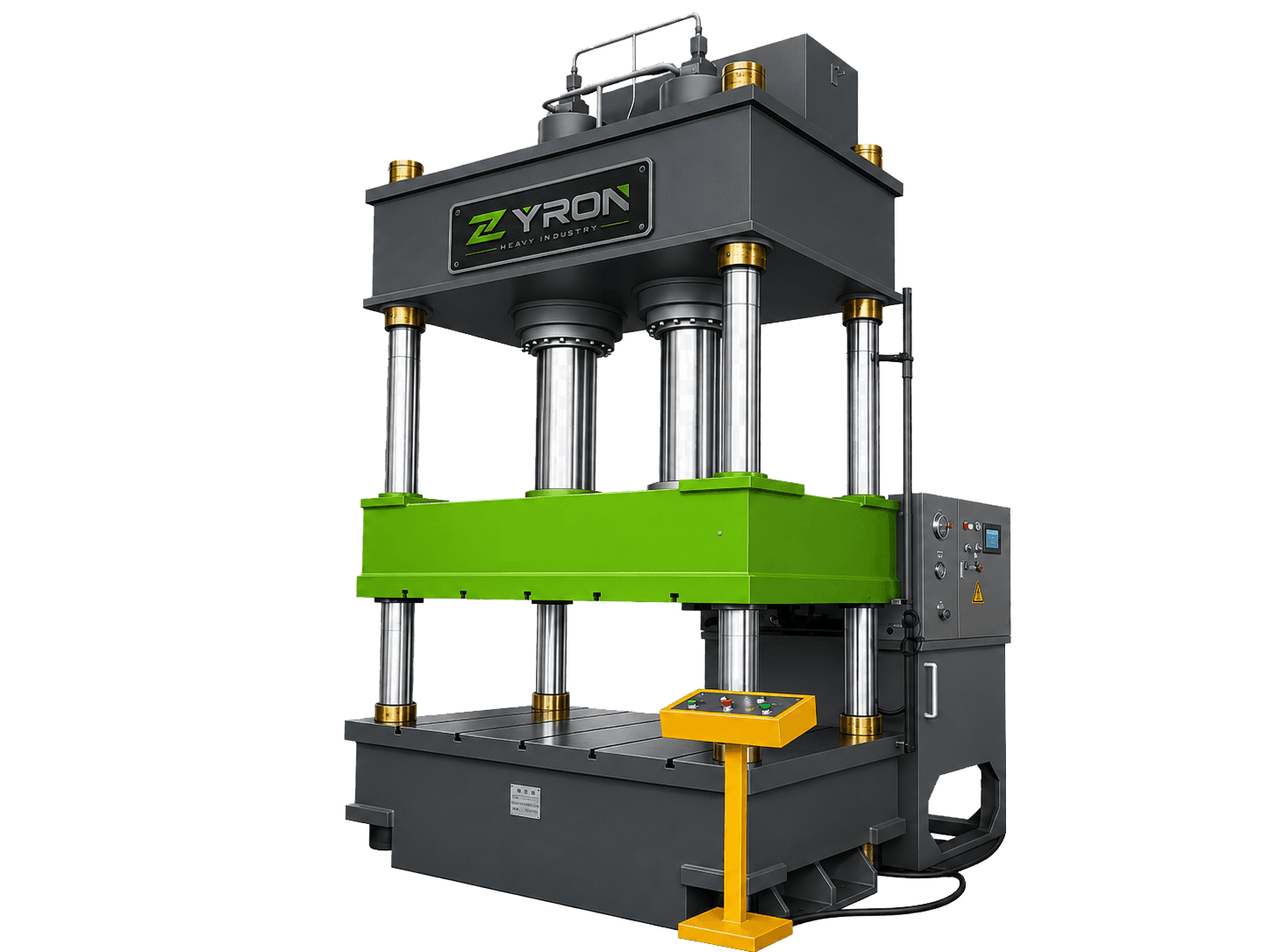
Industrial Pressing Solution
Stable four-column hydraulic pressing for forming, assembly, correction, and deep drawing.
Customer Challenges
01
Force, stroke, daylight, table size, tool geometry, and material behavior must be evaluated together.
02
Punching, stamping, forming, correction, and assembly need different control and motion characteristics.
03
Die layout, workpiece positioning, feeding, and discharge determine how the press performs in production.
04
Guarding and operator controls should be planned with the tooling, access points, and production method.
Solution Positioning
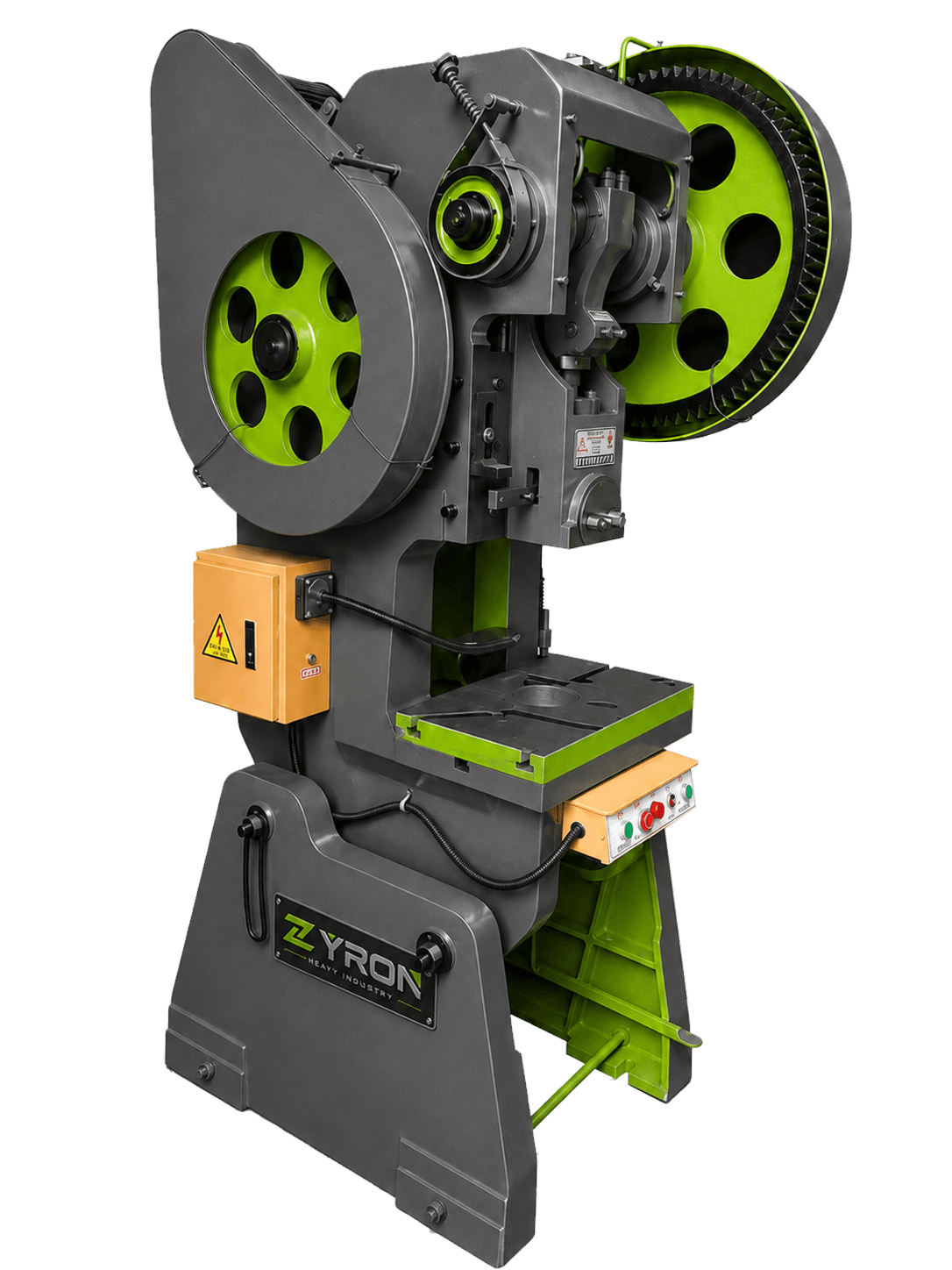
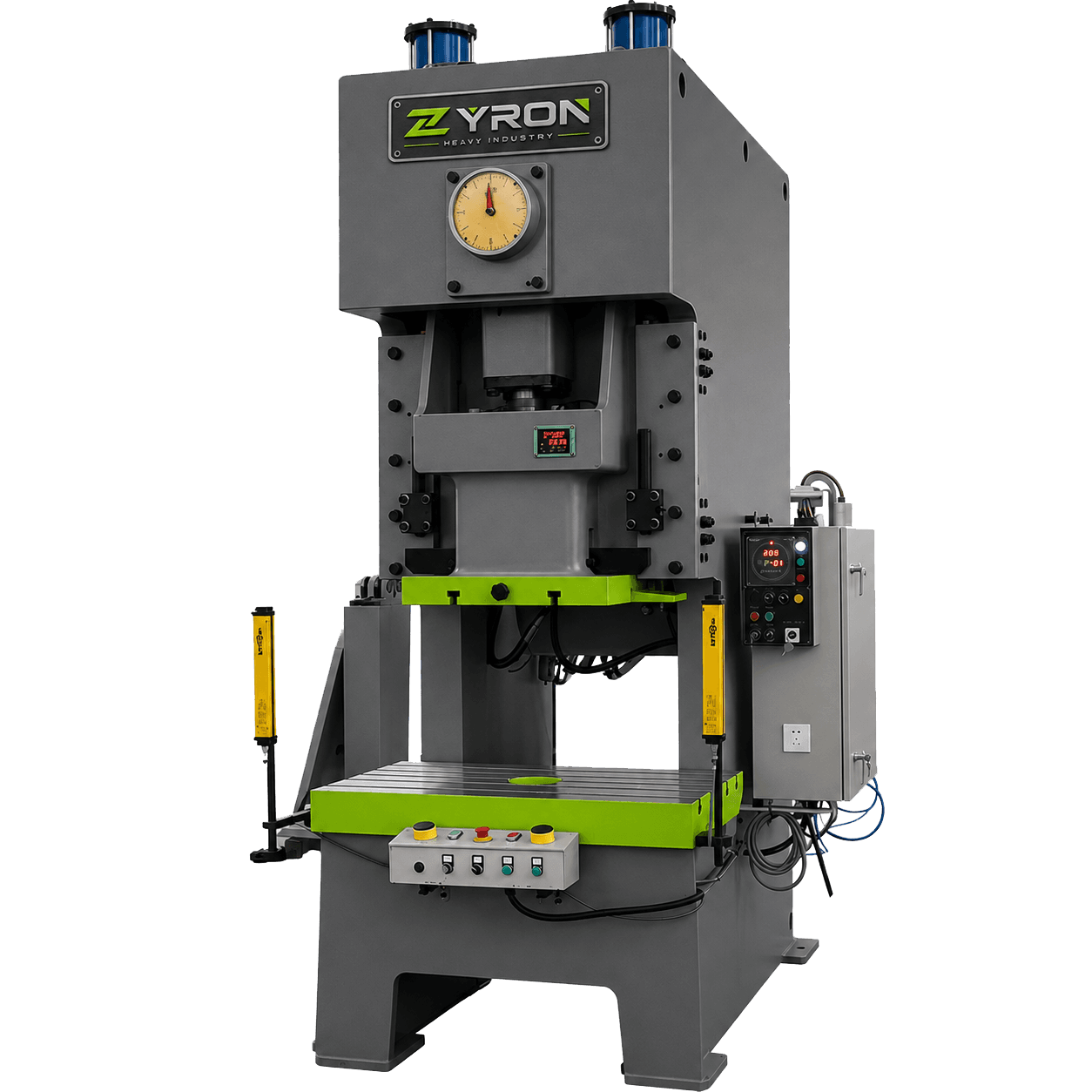
Press equipment for punching, stamping, forming, correction, assembly, and repeatable production operations.
Production Workflow
A clear process view helps confirm whether the machine, configuration, and surrounding workflow belong together.
01
Confirm punching, stamping, forming, correction, or assembly requirements.
02
Review material, part, die, force, stroke, daylight, and table needs.
03
Load manually or through the selected feeding and positioning method.
04
Run the configured mechanical, pneumatic, or hydraulic operation.
05
Remove the part safely and check it before the next operation.
Operational Value
The points below come from the current product information and are presented as practical production considerations.
01
02
03
04
Application Scenarios
This machine can support punching as part of punching, stamping, forming, correction, or assembly, subject to the selected model and process requirement.
This machine can support stamping as part of punching, stamping, forming, correction, or assembly, subject to the selected model and process requirement.
This machine can support forming as part of punching, stamping, forming, correction, or assembly, subject to the selected model and process requirement.
This machine can support assembly and correction as part of punching, stamping, forming, correction, or assembly, subject to the selected model and process requirement.
Machine Selection
What operation and material will the press perform?
What force, stroke, daylight, and table size does the tooling require?
Will parts be manually loaded or integrated with a feeder?
Which control, guarding, and safety method is required?
Configuration Review
Feeding system can be reviewed as part of the press force, stroke, tooling, feeding, controls, and safety requirement for the final machine configuration.
Custom dies can be reviewed as part of the press force, stroke, tooling, feeding, controls, and safety requirement for the final machine configuration.
PLC control can be reviewed as part of the press force, stroke, tooling, feeding, controls, and safety requirement for the final machine configuration.
Safety light curtain can be reviewed as part of the press force, stroke, tooling, feeding, controls, and safety requirement for the final machine configuration.
Technical Specification Basis
Final selection depends on the material, workpiece, process, production frequency, options, and local utility requirements.
| Press capacity | Configured by tonnage, stroke, table size, and process |
|---|---|
| Drive | Mechanical, pneumatic, or four-column hydraulic |
| Operation | Foot pedal, two-hand control, or automated line integration |
| Safety | Emergency stop, overload protection, guarding, and optional light curtain |
Project Support
01
Review the part, material, die, required force, and production sequence.
02
Compare mechanical, pneumatic, and hydraulic structures for the operation.
03
Confirm controls, feeding, tooling interface, guarding, and utilities.
04
Coordinate layout, shipment, setup information, and technical support.
Talk to a ZYRON Engineer
Send the core workpiece and production information. ZYRON will use it to review the suitable model and configuration with you.