
01
Thin sheets are easy to mark or distort
Light-gauge work needs controlled contact and a suitable roll surface to form cylinders without unnecessary handling damage.
Product Directory
Rectangular Duct Seam Closing Machine
Sheet Metal Notching Machine
Auto Duct Production Line
Round Duct Elbow Making Machine
Duct Beading Machine
Angle Iron Flange Rolling Machine
Spiral Duct Production Line
Language
Fast thin sheet rolling solution for cylinders, HVAC parts, small tanks and round metal shells.
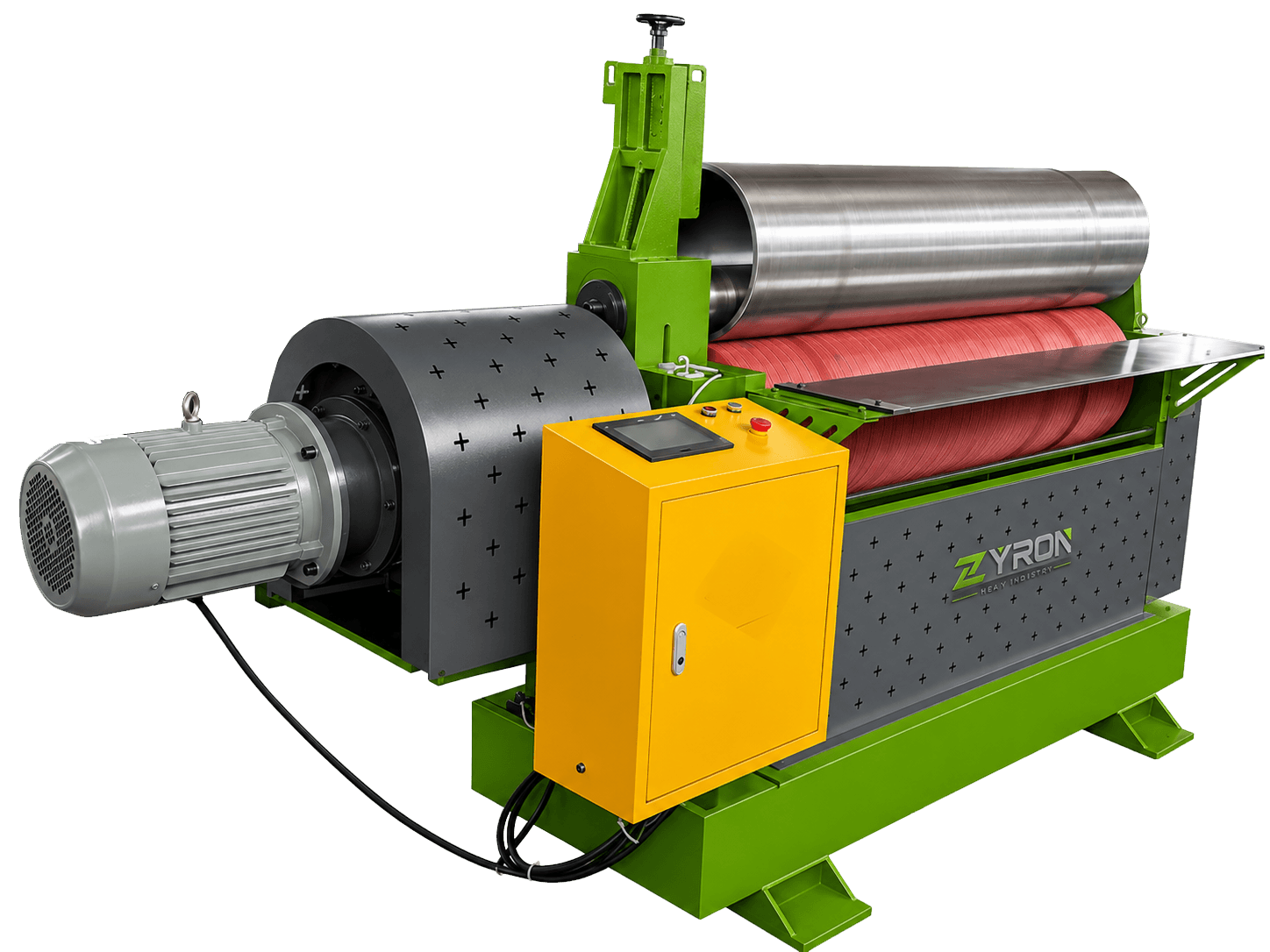
The electric two-roll plate rolling machine combines a rigid upper roll with an elastic lower roll to form compatible thin sheet into repeatable cylindrical parts. Share your material, thickness, width and target diameter so we can match a practical configuration.
Rolling problems
01
Light-gauge work needs controlled contact and a suitable roll surface to form cylinders without unnecessary handling damage.
02
Conventional rolling can leave a straight edge that requires extra pre-bending or correction before seam joining.
03
Operators need a simple, repeatable setup when producing ventilation sleeves, filter bodies or other small shells.
04
Variable cylinder shape creates extra fitting time at the welding, seaming and assembly stages.
05
Material strength, thickness, rolling width and minimum diameter must be assessed together before selecting a machine.
Matched production
Select the machine around the finished cylinder, not a generic capacity label.
Confirm sheet coating, seam allowance, width and target diameter before configuration.
Final suitability depends on material springback, part length, diameter and downstream joining method.
Use sample drawings and actual blanks to confirm the required roll material and control options.
Real photography
These ten real photographs show representative products or production contexts. They are not customer cases and do not claim that the photographed items were produced on this exact machine.
 01
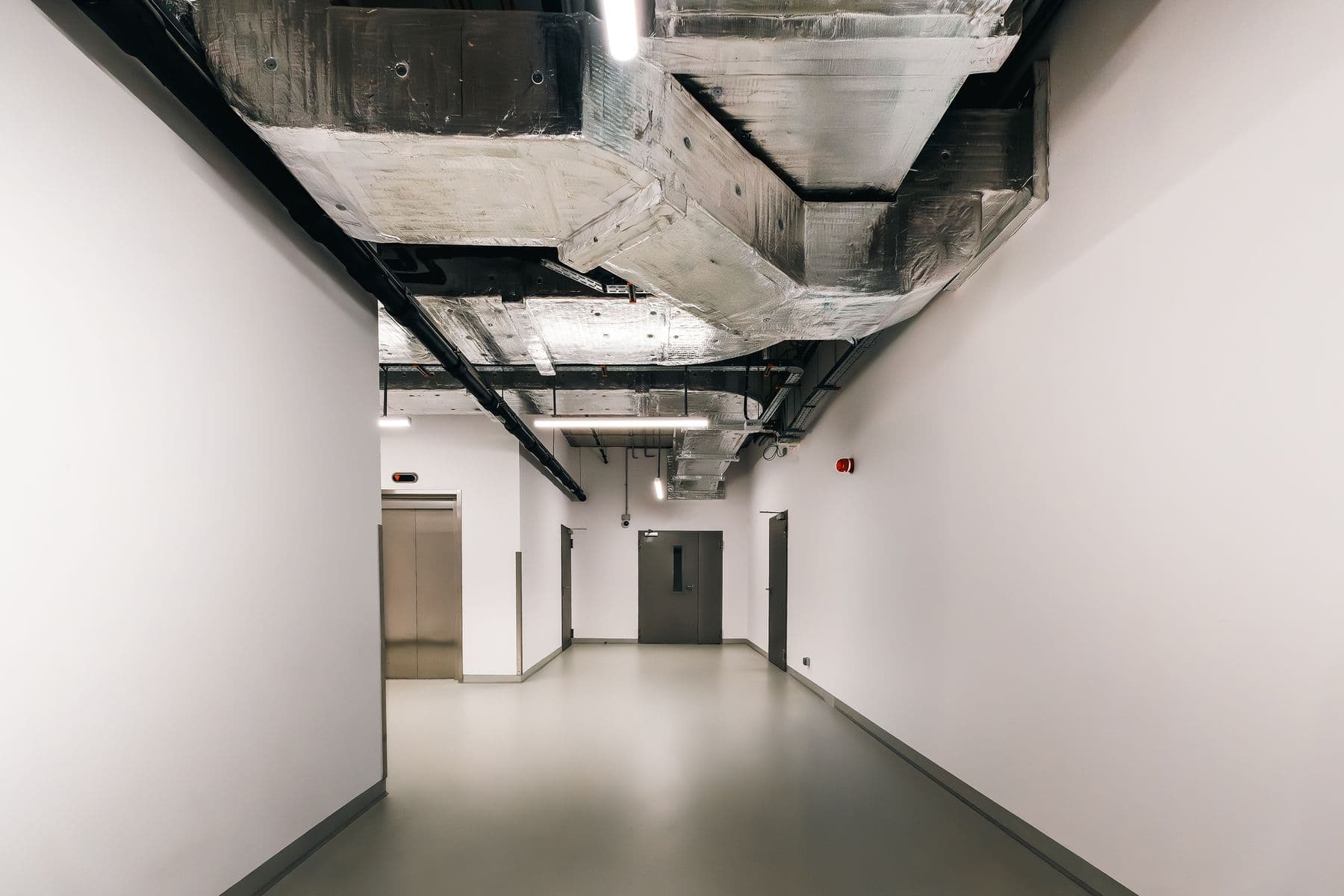
01Representative ventilation systems show a real downstream industry for rolled thin-sheet sleeves, connectors and round duct parts.
 02
02Short cylindrical sleeves can continue into seaming, flanging and assembly for air-handling systems.
 03
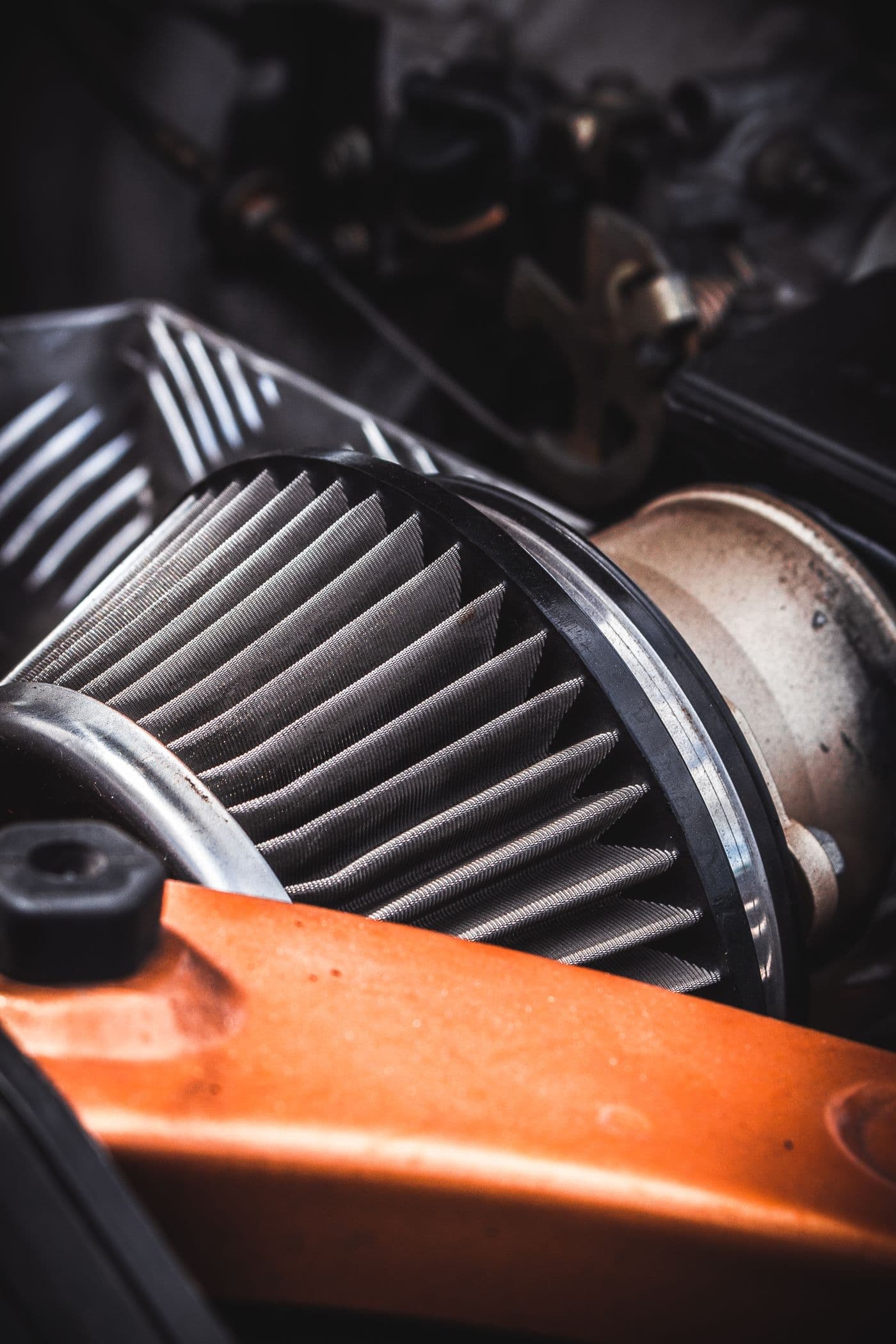
03Cylindrical filter-related parts show the round formats used in air-handling and filtration assemblies.
 04
04Thin metal blanks can be rolled into compatible round shells for exhaust and protective-cover fabrication.
 05
05Small-diameter cylindrical body production is a representative two-roll application when material and dimensions are confirmed.
 06
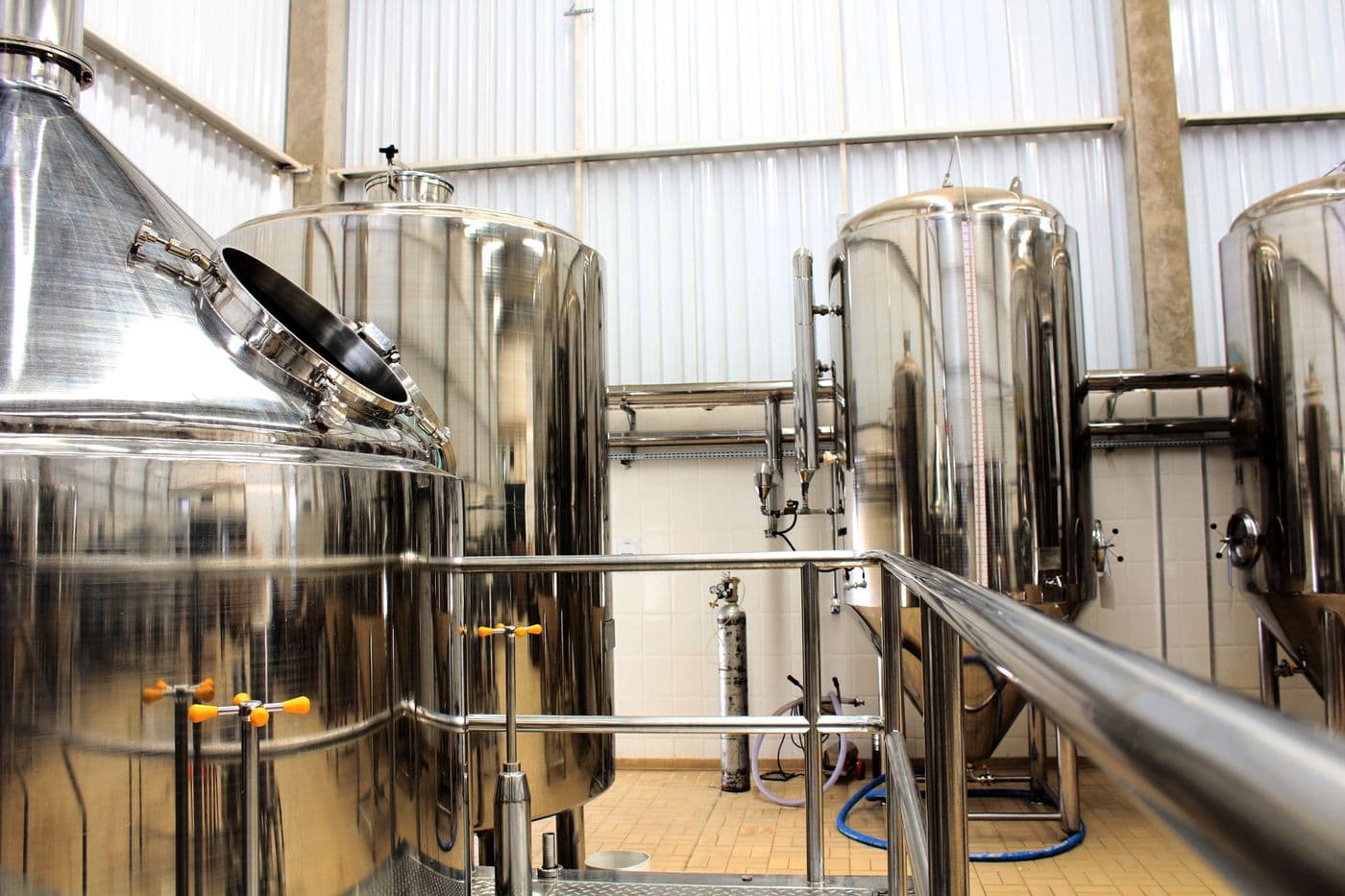
06Rolled stainless or mild-steel shells can enter welding and finishing processes for compatible small vessels.
 07
07Round lighting bodies and metal shades represent light-gauge decorative shell forming.
 08
08Food-service, container and light-industrial products often combine rolled stainless bodies with welded end details.
 09
09General metal containers demonstrate the cylindrical shell geometry used across many light-fabrication products.
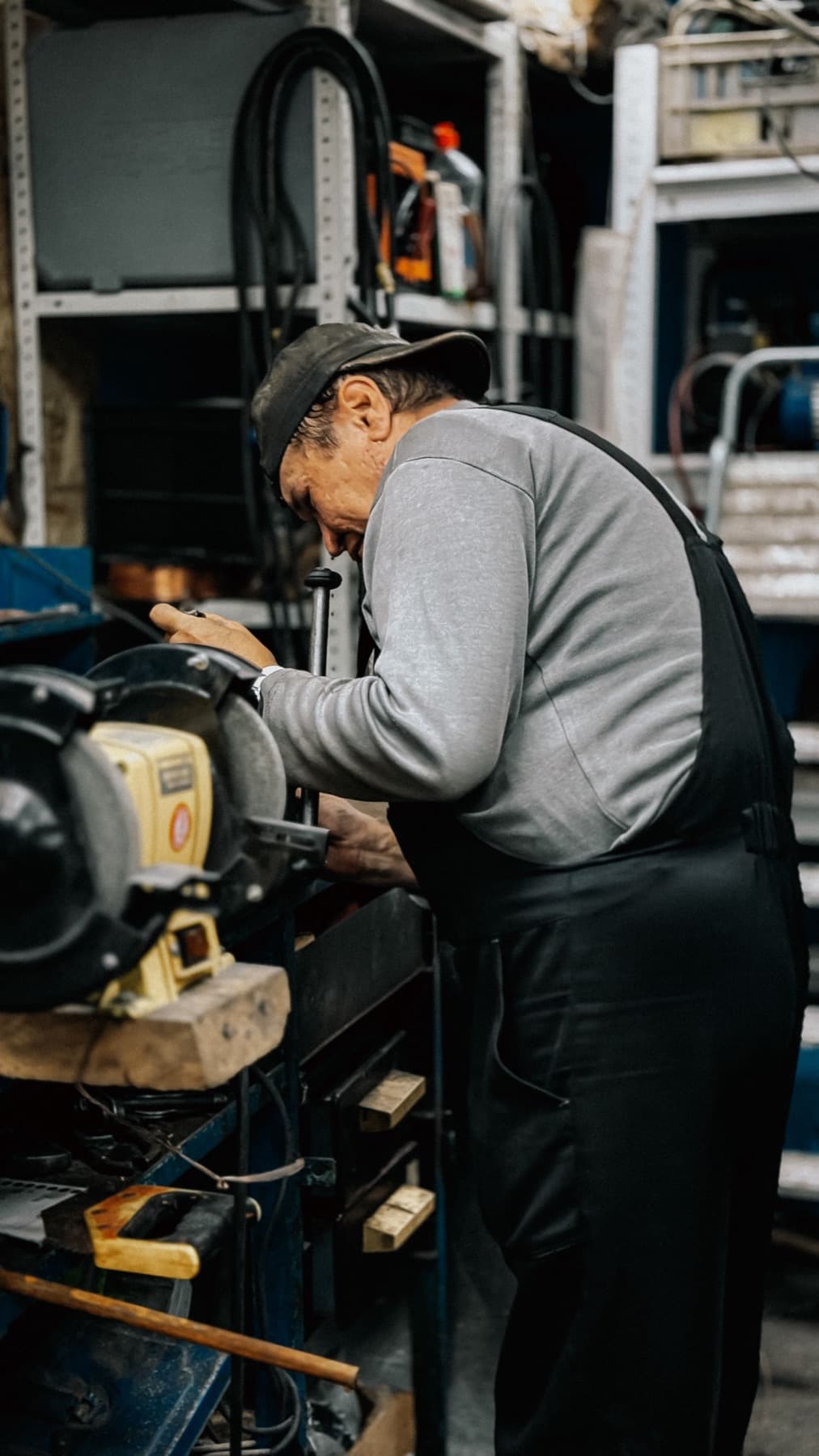 10
10Rolling normally connects with cutting, welding, grinding, surface treatment and final assembly.
Material context
Material compatibility depends on tensile strength, yield strength, surface condition, sheet thickness, rolling width, target diameter and the selected elastic lower roll. Confirm real material data before quotation.
Finished geometry
Representative part families must still be checked against the actual blank, material and target diameter.
Round Ducts
PART 01
Cylindrical Sleeves
PART 02
Filter Shells
PART 03
Exhaust Covers
PART 04
Fire-Extinguisher Bodies
PART 05
Lighting Covers
PART 06
Small Tank Shells
PART 07
General Round Metal Housings
PART 08
Process path
Cut the sheet to the confirmed length, width and seam allowance, then remove burrs that could affect the roll surface.
Set roll pressure and forming position according to the material, thickness and required cylinder diameter.
Align the blank squarely between the rigid upper roll and elastic lower roll.
The driven roll movement wraps the compatible blank around the upper roll in a controlled forming pass.
Release and remove the rolled shell according to the confirmed machine opening and unloading method.
Continue with seaming, welding, flanging, grinding, coating or assembly as required by the finished product.
Forming principle
A rigid upper roll and elastic lower roll create a focused forming path for compatible light-gauge cylinders.
Provides the principal forming diameter and stable support for the sheet during rolling.
Deforms under pressure so a compatible blank can wrap progressively around the upper roll.
The two-roll layout focuses on routine cylindrical thin-sheet work rather than broad heavy-plate geometry.
Upper-roll diameter and lower-roll material must be selected around the actual sheet and target part.
Consistent blank preparation and setup help rolled shells fit the planned seam or welding process.
Drive system
Electric roll drive supports controlled, repeatable sheet movement during routine forming.
A focused control layout helps operators manage feeding, rolling and return according to the selected configuration.
The machine can be positioned between blank preparation and cylinder joining within a compact fabrication cell.
Voltage, control mode, guarding and unloading details are confirmed for the installation and production requirement.
Practical value
Objective comparison
Choose the roll architecture around the real material range, target geometry, setup needs and production volume.
| Comparison | Electric Two-Roll | Three-Roll | Four-Roll |
|---|---|---|---|
| Primary focus | Repeatable cylindrical forming of compatible thin sheet | General-purpose sheet and plate rolling | Controlled plate handling and broader production workflows |
| Roll arrangement | Rigid upper roll plus elastic lower roll | Three rigid rolls in selected geometry | Four rigid rolls with dedicated pinching and bending functions |
| Pre-bending approach | Forming action can reduce straight-end correction for matched thin-sheet work | Depends on machine geometry and operator sequence | Designed for controlled clamping and pre-bending sequences |
| Typical work | Sleeves, small shells, ducts and round housings | Cylinders, arcs and selected conical work | Production cylinders, arcs and configured plate work |
| Material range | Application-matched light-gauge material | Selected sheet and plate range | Selected plate range and production requirements |
| Setup priority | Blank, elastic roll, upper-roll diameter and target cylinder | Roll positions, pre-bend sequence and operator setup | Clamping, side-roll positions and programmed sequence |
| Best fit | Stable part families and repeat thin-sheet cylinders | Flexible general rolling needs | Production control and more complex plate-handling requirements |
| Selection warning | Not a universal replacement for heavy or varied plate rolling | Capability varies widely by geometry and drive | Higher system complexity should match real production demand |
Connected equipment
The electric two-roll plate rolling machine is one forming stage in a complete thin-sheet cylinder workflow. Blank accuracy and downstream joining determine final product quality together with the rolling setup.
Prepare accurate blanks by shearing or laser cutting.
Remove sharp edges and contamination before the sheet reaches the roll surface.
Roll the prepared blank using the confirmed pressure, alignment and forming sequence.
Join the cylinder edge according to product design and leak-tightness requirements.
Prepare compatible HVAC seams where the product workflow requires them.
Form the cylinder edge for connection, reinforcement or downstream assembly.
Complete grinding, polishing, coating or cleaning for the specified finish.
Add end caps, fittings, brackets or other components and inspect the finished part.
Before quotation
Configuration table
Original catalog specifications are retained; unavailable product-specific values remain subject to engineering confirmation.
| Model | Rolling Capacity | Roll Structure | Operation | Workpiece | Rolling Length(mm) | Sheet Thickness(mm) | Minimum Rolling Diameter(mm) | Roller Material | Upper Roller Diameter(mm) | Lower Roller Type | Motor Power(kW) | Rolling Speed(m/min) | Voltage(V) | Machine Size(mm) | Machine Weight(kg) | Application |
|---|---|---|---|---|---|---|---|---|---|---|---|---|---|---|---|---|
| Electric Two-Roll Plate Rolling Machine | Selected by plate thickness, width, material, and minimum diameter | Two-roll, three-roll, or four-roll construction | Electric, semi-automatic, fully automatic, or hydraulic | Cylinders, arcs, cones, and curved sheet components | Customizable / Please confirm with our sales engineer | Customizable / Please confirm with our sales engineer | Customizable / Please confirm with our sales engineer | Customizable / Please confirm with our sales engineer | Customizable / Please confirm with our sales engineer | Customizable / Please confirm with our sales engineer | Customizable / Please confirm with our sales engineer | Customizable / Please confirm with our sales engineer | Customizable / Please confirm with our sales engineer | Customizable / Please confirm with our sales engineer | Customizable / Please confirm with our sales engineer | Thin sheet cylinder forming |
The four original catalog rows are retained unchanged. All missing numeric specifications remain confirmation fields because final capacity depends on material, thickness, rolling width, minimum diameter and selected machine configuration.
Installation planning
Reserve safe space for sheet feeding, part removal, electrical access and operator movement.
NOTE 01
Keep blanks clean and deburred; sharp scrap and surface contamination can damage or mark the lower roll.
NOTE 02
Support wider sheets during feeding and removal so they do not twist, drop or pull the operator toward moving rolls.
NOTE 03
Match voltage, frequency, grounding and protection devices to the final machine configuration.
NOTE 04
Follow the machine manual, guarding instructions, local regulations and safe lockout procedures.
NOTE 05
For critical finish or diameter requirements, confirm material samples and part drawings before production release.
NOTE 06
Buyer questions
It is a motor-driven sheet forming machine that uses a rigid upper roll and an elastic lower roll to wrap compatible thin sheet into cylindrical parts.
Representative uses include HVAC sleeves, filter-related shells, exhaust covers, lighting bodies, small containers and other thin-sheet cylindrical parts.
Potential materials include mild steel, stainless steel, galvanized sheet, aluminum and other compatible thin metals. Actual suitability depends on grade, strength, surface, thickness, width and diameter.
Small-diameter capability depends on the upper-roll diameter, lower-roll material, sheet properties, width and required finish. Send the target diameter and drawing for confirmation.
Its forming principle can reduce straight-end correction for matched thin-sheet work, but final edge condition depends on the blank, setup, material and required seam.
A two-roll machine focuses on application-matched thin-sheet cylinders using an elastic lower roll. Three-roll machines use rigid rolls and generally cover a wider range of rolling tasks and setup methods.
This page presents the machine as a thin-sheet cylinder solution. Conical or heavy-plate work should be evaluated for a suitable three-roll or four-roll machine instead.
Provide material grade, thickness, rolling width, minimum diameter, blank size, required roundness, production quantity, voltage and part drawings.
Rolling width, roll dimensions and materials, motor and controls, voltage, guarding and unloading arrangement can be confirmed around available manufacturing options.
Send material, thickness, maximum width, minimum and common diameters, blank dimensions, part drawings, quantity, voltage and delivery destination.
No. They are licensed real photographs showing representative products and environments, not customer cases or proof that those exact items were produced on this machine.
Send your material, thickness, rolling width, target diameter and part drawing. We will recommend a suitable electric two-roll plate rolling machine configuration for your workshop.