Traditional sawing and drilling take too many steps
Separating tube cut-off, hole, slot and profile operations adds manual positioning, fixtures and secondary processing time.
Product Directory
Rectangular Duct Seam Closing Machine
Sheet Metal Notching Machine
Auto Duct Production Line
Round Duct Elbow Making Machine
Duct Beading Machine
Angle Iron Flange Rolling Machine
Spiral Duct Production Line
Language
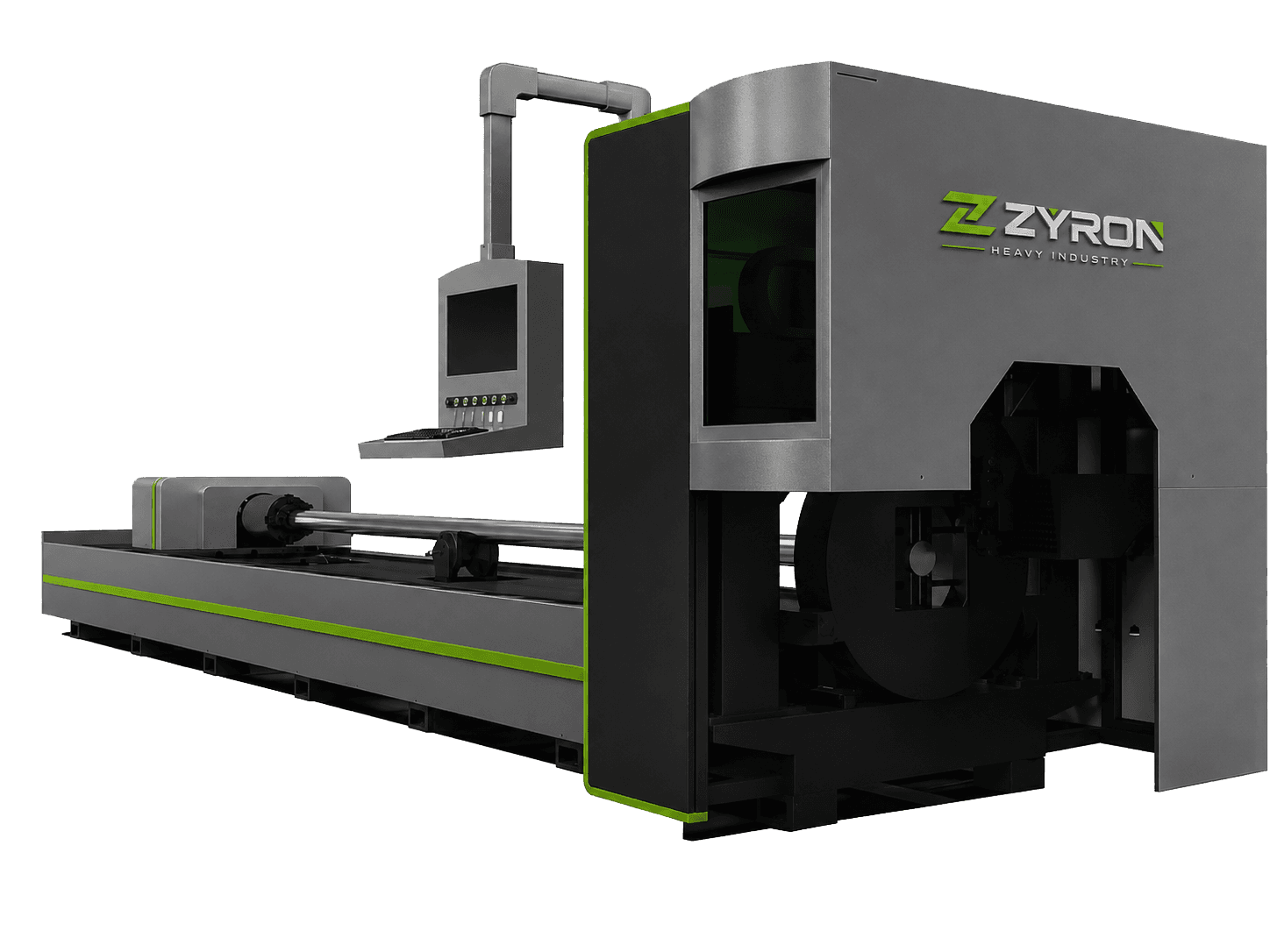
Professional CNC laser tube cutting solution for round, square, rectangular and profile tubes.
A fiber tube laser cutting machine designed for metal tube cutting, pipe hole cutting, slotting, contour cutting and structural tube processing. It helps workshops replace traditional sawing, drilling and manual marking with a more flexible CNC tube cutting workflow.
01 / PROBLEM
A dedicated tube workflow reduces the number of disconnected setups needed to turn raw tube into weld-ready structural parts.
Separating tube cut-off, hole, slot and profile operations adds manual positioning, fixtures and secondary processing time.
Tube joints, frames and welded structures often need matching hole positions, slots and contours that are easier to manage in one programmed workflow.
Round, square, rectangular and selected profile tubes require suitable clamping, rotation and positioning for their geometry.
Furniture, railings, racks and machinery frames benefit from repeatable tube ends, hole locations and connection surfaces before assembly.
A dedicated tube laser is practical when tube orders, varied profiles or batch structural parts are a larger share of production.
02 / SOLUTION
Choose the machine around the parts your workshop actually produces, then match the tube format, chuck, power and material-handling configuration.
Tube-part preparation for frames, supports and welded assemblies.
Programmed tube and profile preparation for repeated architectural metal parts.
Flexible front-end processing for structural tube members and equipment parts.
03 / REAL APPLICATIONS
Representative real-world production scenes and downstream products show where programmed tube cutting can support the fabrication workflow.

Round, square and rectangular tube parts can be prepared with cut ends, holes and slots before welding furniture frames.
Dedicated tube processing suits equipment frames, supports and connection features that need repeatable fit-up.

Tube and profile parts can be cut to length and prepared with connection holes before rail and fence assembly.

Profile cutting supports frame members, mounting features and joining geometry when the tube shape matches the selected chuck system.
Structural tube members can be prepared with holes, slots and connection contours for downstream welding and assembly.
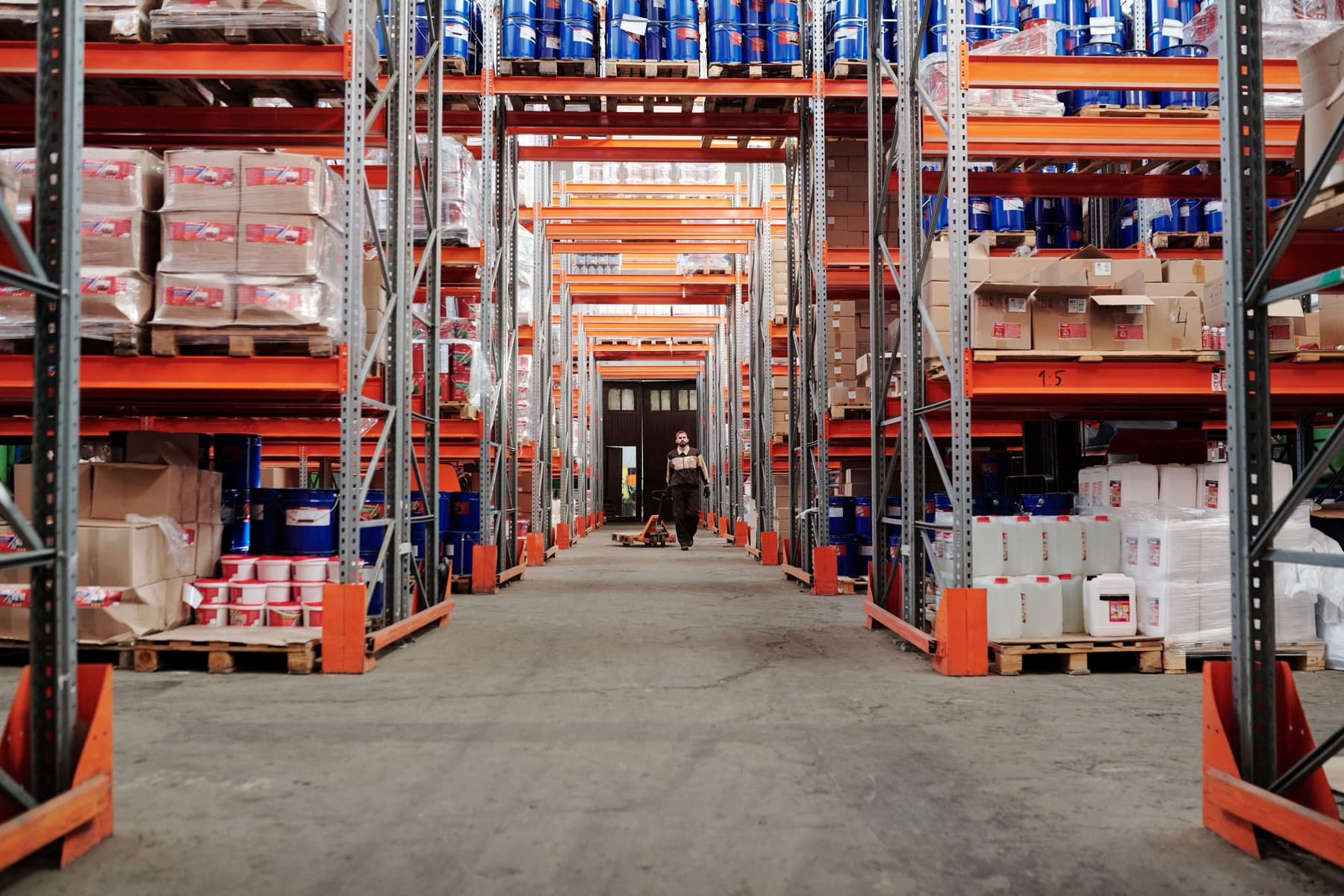
Repeated upright, beam and brace parts benefit from a coordinated tube-cutting workflow before rack assembly.
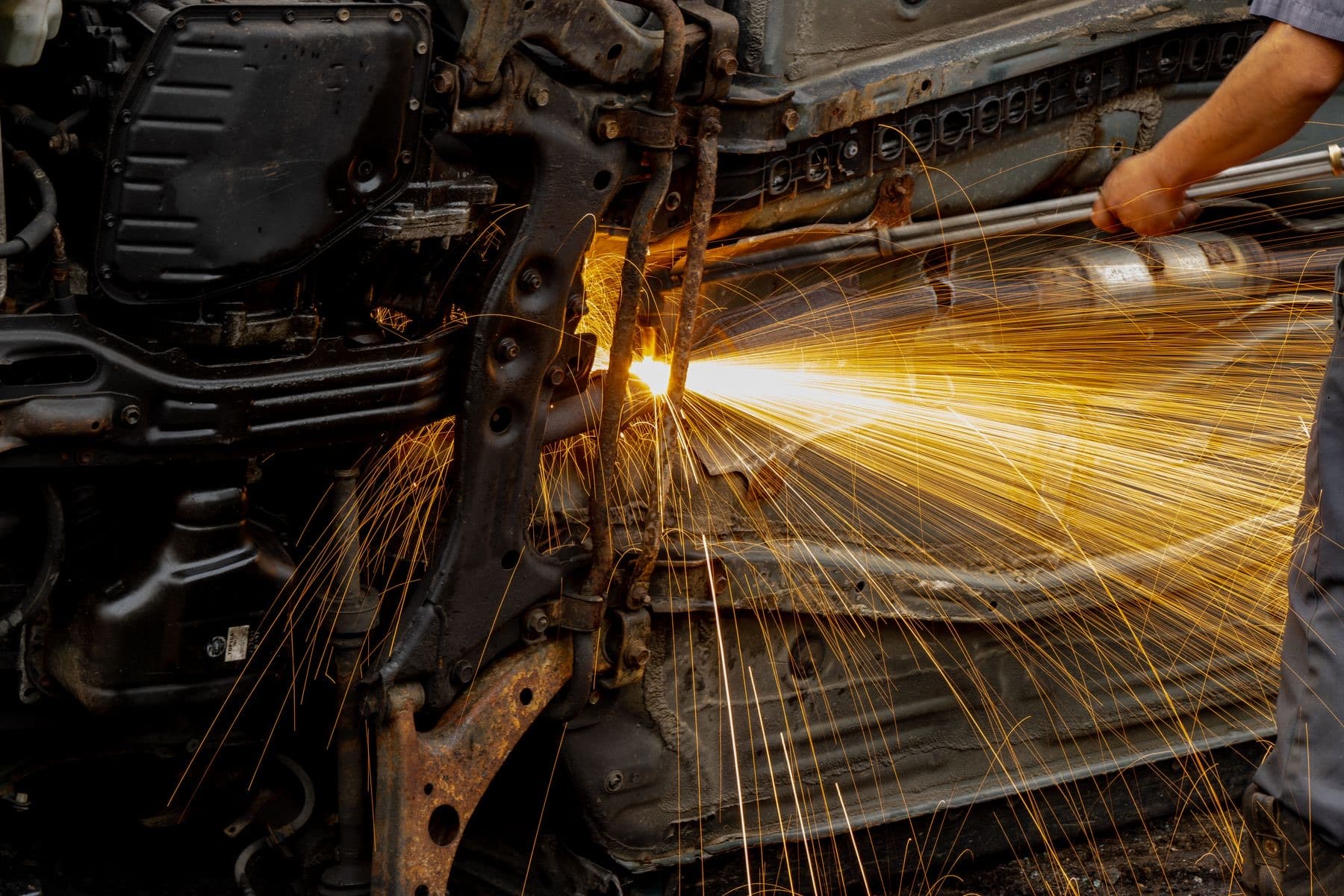
Tube components and brackets can be prepared for fixtures and welding when material, section and tolerance requirements are confirmed.

Frame tubes, guards and support members can move from programmed cutting to bending, welding and final machine assembly.
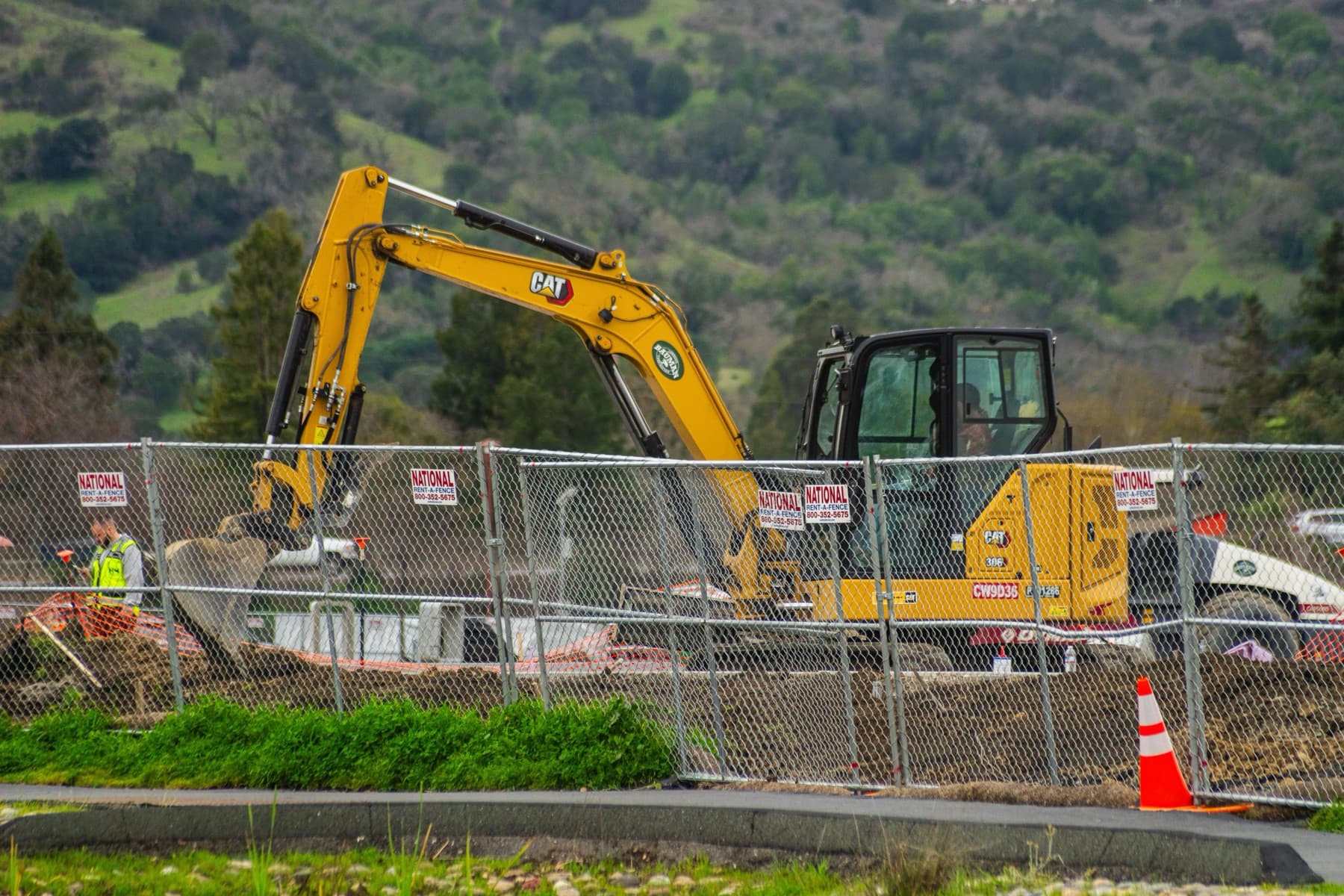
The process supports selected structural tube and profile components used around equipment frames, guards and access structures.
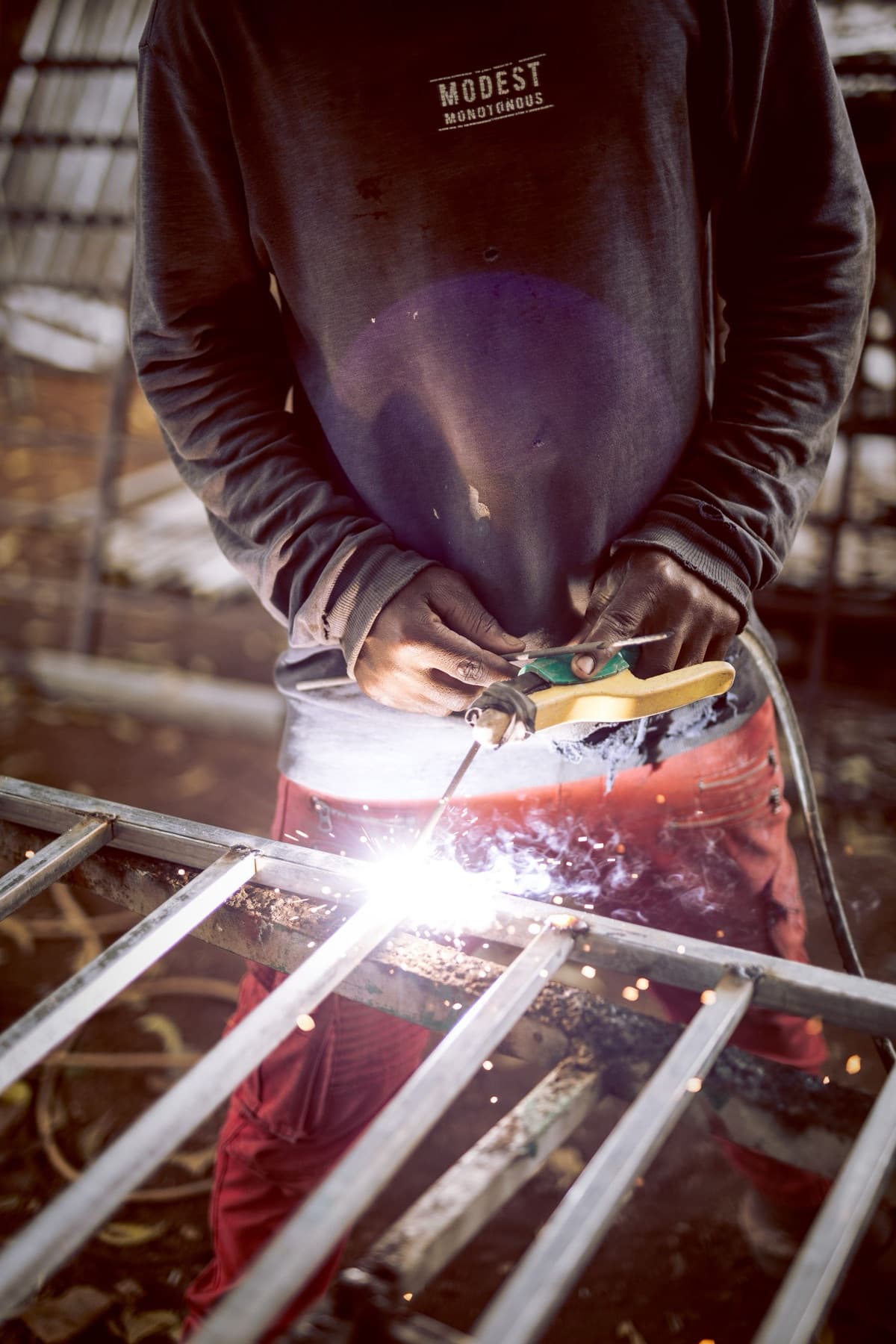
Connection holes, tube ends and selected profiles can be prepared for structural welding when the configuration is matched to the drawing.
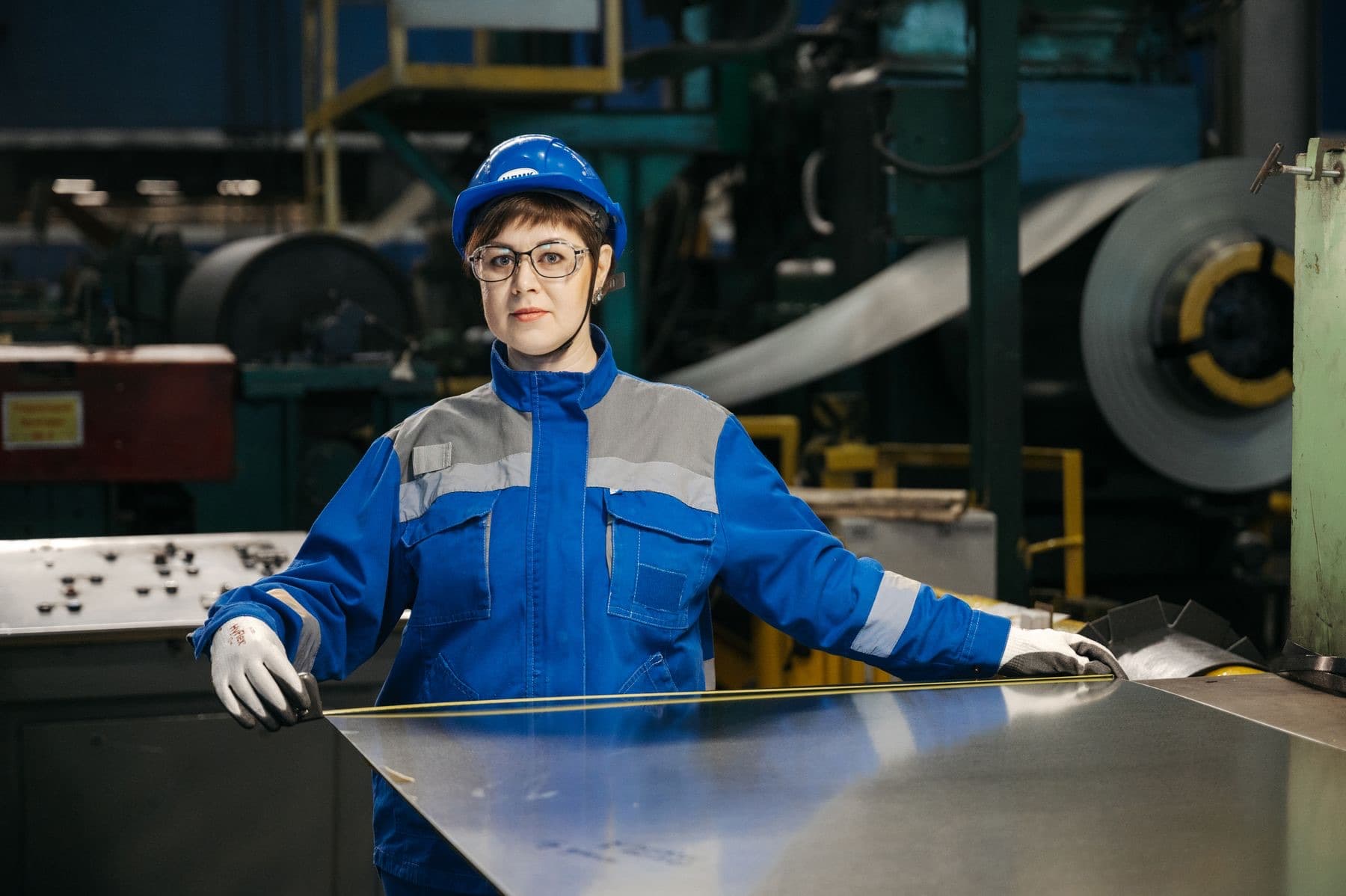
Stainless tube parts can be cut for product frames and assemblies with power, gas and edge-quality requirements selected together.
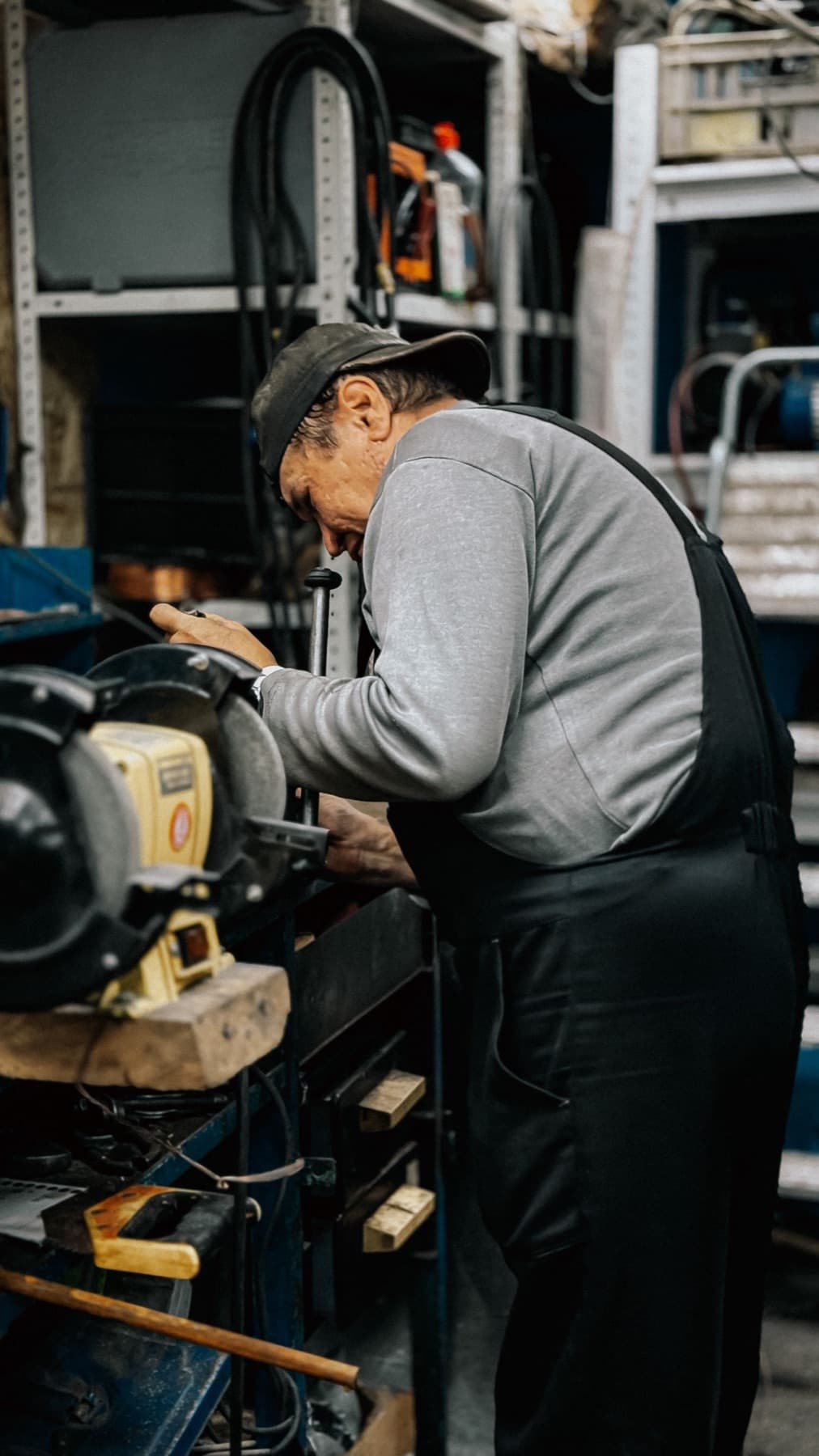
A dedicated system gives mixed tube orders a clear path from drawings and clamping to finished parts and welding.
04 / PROFILE RANGE
Tube cutting capability depends on chuck structure, tube diameter, tube length, wall thickness, material type and machine configuration. Please confirm your tube drawing and processing requirement before quotation.
Rotational cutting for round pipe ends, holes, slots and contours.
Programmed cutting across four faces with suitable chuck positioning.
Frame-member preparation for unequal-width rectangular sections.
Selected oval sections subject to chuck opening and control support.
Selected waist-round profiles when the machine configuration supports them.
Selected angle sections for structural and framework applications.
Selected channel profiles subject to clamping and software capability.
Profile support depends on geometry, chuck, section size and configuration.
05 / MATERIAL
The suitable tube wall thickness depends on laser power, material type, tube diameter, cutting gas, cutting speed and cutting quality requirement. Confirm material, size and wall thickness before quotation.
Common structural tube material with power and gas selected by wall thickness and edge needs.
Suitable when power, cutting gas and surface-quality expectations are confirmed together.
Requires process selection that considers coating behavior, fumes and edge requirements.
Power, gas and control settings must match the alloy, wall thickness and section.
Reflective non-ferrous material capability depends on the selected laser and process configuration.
Final suitability depends on material grade, wall thickness, power and cutting gas.
Heat control, support and clamping should be considered for thin-wall profiles.
06 / PROCESS
A clear programmed path connects the part drawing with loading, clamping, cutting and downstream assembly.
Import cutting files or create programs according to the selected control system and tube software.
Load supported round, square, rectangular or profile tube according to machine configuration.
Hold and rotate the tube with the configured chuck and support system.
Set tube type, section, length, holes, slots, path and processing parameters.
Cut holes, slots, contours, tube ends and connection profiles from the approved drawing.
Remove finished parts and manage remaining tube material according to the selected unloading method.
Continue with welding, polishing, bending, frame assembly or surface treatment.
07 / CLAMPING
The chuck is a key difference between a dedicated tube laser and a flat-sheet cutting platform. Final chuck structure is selected around the actual tube range and process.
The chuck holds and rotates the tube during cutting, affecting positioning and processing stability.
Different tube sizes and profiles need a suitable chuck opening range and clamping method.
Automatic-centering and pneumatic chuck designs may be available depending on the confirmed configuration.
Three-chuck or four-chuck designs are optional configurations and are not assumed as standard equipment.
Support devices are important for long tubes to manage deflection, vibration and feeding stability.
08 / MATERIAL HANDLING
Confirm tube length, tube weight, daily quantity, available floor space and automation requirements before selecting a material-handling approach.
A practical option for lower production volume, mixed jobs and smaller workshops.
An optional assisted approach that can reduce repeated operator handling in batch work.
Optional automation is evaluated from tube length, tube weight, daily quantity, layout and budget.
09 / POWER SELECTION
Power selection starts with the tube wall, material and geometry rather than a single headline number.
Laser power: Customizable / Please confirm with our sales engineer
Tube wall thickness is a key input when selecting laser power.
Larger sections or higher output requirements may change the recommended power.
Stainless steel, aluminum, copper and brass require material-specific power and gas choices.
Heat input, small holes, profile geometry and edge expectations affect process selection.
Material, wall thickness, section, quantity and budget are reviewed together before recommendation.
10 / PROCESS GAS
Gas selection remains conditional on material, wall thickness, edge-quality target, hole pattern and operating cost.
Often considered for carbon steel depending on wall thickness, speed and edge requirement.
Can help manage oxidation on stainless steel and selected non-ferrous materials, subject to configuration.
May suit cost-sensitive work when material, thickness and required edge quality allow it.
11 / ADVANTAGES
12 / OBJECTIVE COMPARISON
Each approach can be appropriate. The right choice depends on your material mix, part complexity, tube volume, available space and investment plan.
| Compare by | Fiber Tube Laser Cutting Machine | Sheet and Tube Fiber Laser Cutting Machine | Traditional Sawing / Drilling / Punching |
|---|---|---|---|
| Main function | Dedicated metal tube and selected profile processing. | Mixed sheet and tube processing on one platform. | Separate cut-off, drilling or punching operations. |
| Tube cutting ability | Focused on tube rotation, clamping and programmed profile work. | Useful for mixed demand; tube capability depends on the combined configuration. | Practical for simpler operations but may require several machines and setups. |
| Sheet cutting ability | Not the primary function of a dedicated tube machine. | Designed to process both flat sheet and supported tube formats. | Depends on separate sheet-cutting equipment. |
| Production efficiency | Strong fit when tube parts represent a high share of production. | Balances two material formats for mixed workshop orders. | Effective for simple parts; complex parts may require multiple transfers. |
| Investment level | Evaluated for a dedicated tube-processing role. | Evaluated for combined capability and workshop utilization. | Can start with simpler equipment but total multi-process needs should be considered. |
| Workshop flexibility | High flexibility within confirmed tube and profile formats. | Broad flexibility when both sheet and tube orders are regular. | Flexible for basic tasks but more dependent on fixtures and process changes. |
| Suitable production type | Tube-heavy orders, varied profiles and batch structural parts. | Mixed products where tube volume is not the only priority. | Simple cut-off and lower-complexity parts or smaller batches. |
| Recommended use | Professional holes, slots, tube ends and connection contours. | One-machine flexibility for workshops processing both formats. | Straight cuts and straightforward operations with modest geometry variety. |
13 / COMPLETE WORKFLOW
The fiber tube laser is a front-end tube-processing machine that can feed bending, welding, complementary sheet work and finishing.
Tube cut-off, holes, slots, ends and programmed profiles.
Bends prepared tube parts to the required radius and geometry.
Joins prepared members into frames and assemblies.
Forms complementary sheet-metal components.
View equipment 05Cuts complementary flat-sheet components.
View equipment 06Supports selected pressing, forming or assembly operations.
View equipmentCompletes polishing, grinding, coating or finishing as required.
14 / CONFIGURATION
Share the actual tube and production requirement so the configuration can be selected from evidence rather than assumptions.
15 / ORIGINAL PARAMETERS
Original qualitative product specifications are preserved. Product-specific values that are not confirmed remain clearly marked for engineering confirmation.
| Model | Laser Power(kW) | Tube Type | Tube Diameter / Section Range(mm) | Tube Length(mm) | Maximum Tube Wall Thickness(mm) | Chuck Type | Loading Method | Unloading Method | Positioning Accuracy(mm) | Max Cutting Speed(m/min) | Transmission System | Control System | Cooling System | Machine Size L × W × H(mm) | Machine Weight(kg) | Application |
|---|---|---|---|---|---|---|---|---|---|---|---|---|---|---|---|---|
| Fiber Tube Laser Cutting Machine | Fiber laser power selected by material and maximum cutting thickness | Round, square, rectangular, oval, waist-round, angle steel, channel steel and selected profiles depending on configuration | Customizable / Please confirm with our sales engineer | Customizable / Please confirm with our sales engineer | Customizable / Please confirm with our sales engineer | Customizable / Please confirm with our sales engineer | Customizable / Please confirm with our sales engineer | Customizable / Please confirm with our sales engineer | Customizable / Please confirm with our sales engineer | Customizable / Please confirm with our sales engineer | Precision guide rails, rack drive, and servo control | Compatible with common CAD/CAM nesting and cutting workflows | Customizable / Please confirm with our sales engineer | Customizable / Please confirm with our sales engineer | Customizable / Please confirm with our sales engineer | Machinery parts, Tube fabrication, Metal furniture |
Final specifications depend on tube material, tube type, tube diameter, wall thickness, tube length, laser power, chuck system, loading method, cutting gas and selected machine configuration.
16 / INSTALLATION
Machine safety depends on the final configuration, installation, training, maintenance and applicable local rules.
17 / FAQ
Practical answers for machine selection, materials, tube profiles, loading, power and cutting gas.
It is a CNC fiber-laser system dedicated to metal-tube cut-off, holes, slots and contours. It is commonly considered for structural tube parts and recurring tube production.
Depending on configuration, it can process round, square, rectangular, oval and waist-round tube, angle steel, channel steel and selected profiles. Exact section, diameter, length and wall thickness must be confirmed against the chuck and control system.
Typical materials include carbon steel, stainless steel, galvanized steel, aluminum, copper and brass tube. Final capability depends on power, material grade, wall thickness, section and cutting gas.
A dedicated tube laser focuses on tube clamping, rotation and profile work, making it suitable for tube-heavy orders. A sheet-and-tube machine is practical when a workshop regularly needs both flat-sheet and tube processing.
For many cut-off, hole, slot and contour operations, laser tube cutting can reduce separate steps. Whether it replaces a traditional process depends on the part, volume, material, tolerance and cost requirement.
Yes, these products often use round, square or rectangular frames with holes and connection features. The machine configuration still needs to match the actual drawings and tube sizes.
Manual, semi-automatic or automatic loading may be selected depending on the model, tube length, tube weight, output requirement, layout and budget. Automatic loading is not assumed as standard equipment.
Confirm the tube material, section, wall thickness, required speed, holes, edge quality and budget. An engineer can then match the laser power to the full process requirement.
Oxygen, nitrogen or compressed air may be considered according to material, wall thickness, edge requirement and operating cost. The final choice should follow the approved cutting process.
Provide material, tube type, diameter or section, length, wall thickness, drawings, daily quantity, loading requirement, voltage, destination country and any downstream bending or welding process.
Configuration can be discussed around the tube range, length, power, chuck system, loading method, control, cooling, exhaust, optional enclosure and voltage. Availability is confirmed with the selected model and engineering review.
18 / RELATED EQUIPMENT
Compare related cutting and forming equipment already available in the ZYRON product range.
Compare a combined sheet-and-tube platform for mixed workshop demand.
Explore a practical open platform for flat-sheet cutting.
Review a dual-platform approach for batch flat-sheet production.
Add practical numerical-control bending for complementary sheet parts.
Match sheet-metal bending with a stable torsion-bar CNC workflow.
Explore complementary curved-sheet production equipment.
19 / ENGINEERING SUPPORT
Send your tube material, tube type, diameter, length, wall thickness and drawing. We will recommend a suitable fiber tube laser cutting machine configuration for your workshop.