
01
Manual folding is tiring for repeated duct work
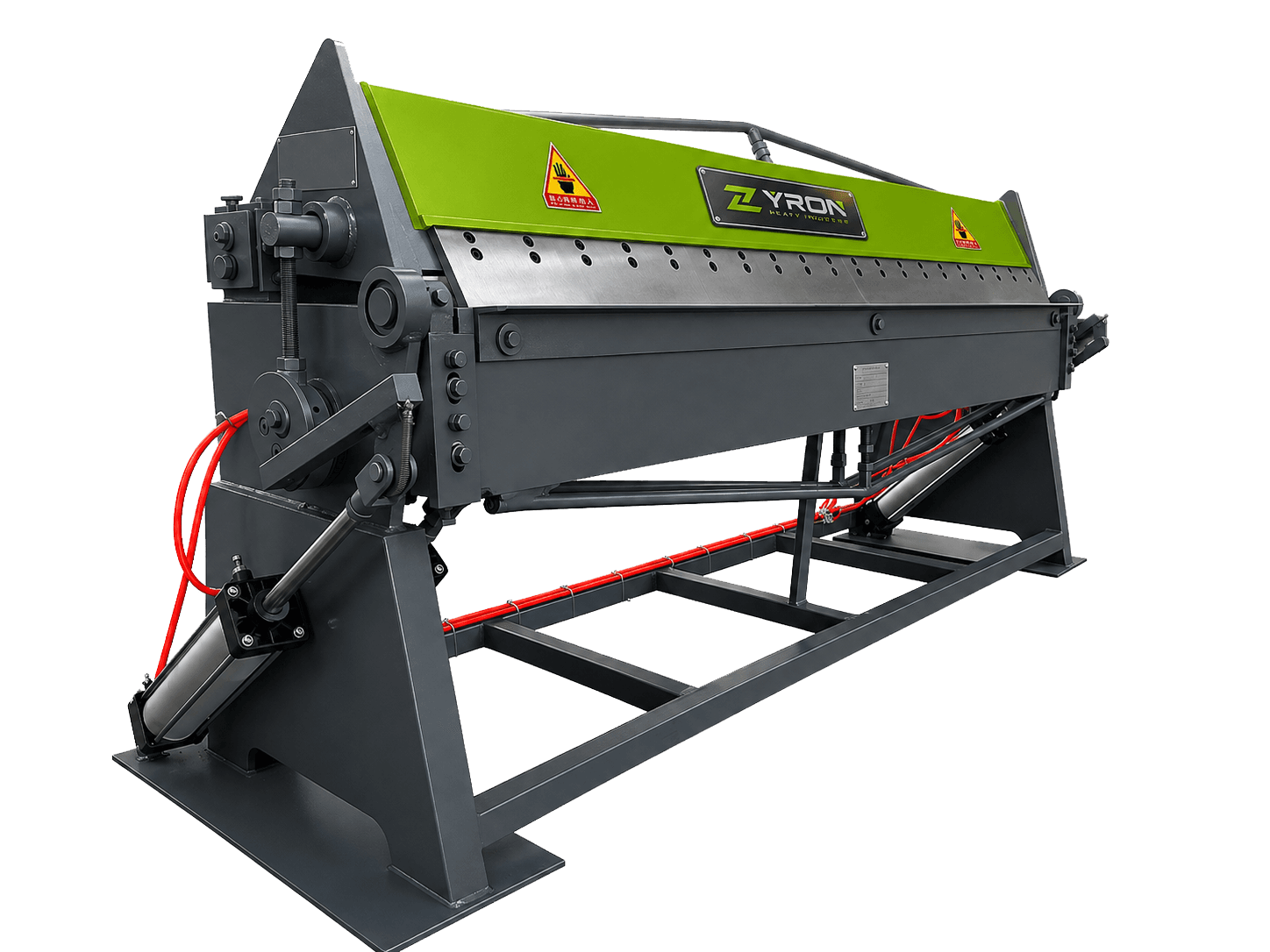
Pneumatic drive reduces repeated lifting, clamping and edge-folding effort, making it more practical for regular duct-panel work.
Product Directory
Rectangular Duct Seam Closing Machine
Sheet Metal Notching Machine
Auto Duct Production Line
Round Duct Elbow Making Machine
Duct Beading Machine
Angle Iron Flange Rolling Machine
Spiral Duct Production Line
Language
Efficient air-driven sheet metal folding solution for HVAC duct fabrication and thin metal forming.
A practical pneumatic folding machine for thin sheet metal bending, duct panel folding and edge forming. Driven by compressed air, it helps workshops reduce manual labor, improve daily folding efficiency and support rectangular duct production.
Customer Challenges
Match the drive method to the sheet, production rhythm and compressed-air conditions.
01
Pneumatic drive reduces repeated lifting, clamping and edge-folding effort, making it more practical for regular duct-panel work.
02
The clamping and folding actions support basic edge bending and forming for galvanized sheet, thin mild steel, suitable stainless steel and aluminum.
03
The machine folds rectangular duct panels before lock forming, beading, flange forming, seam closing and final assembly.
04
Its pneumatic structure is a practical step up from manual folding for workshops that already operate a suitable compressed-air supply.
05
Foot-pedal control and separated pneumatic clamping and folding actions reduce the physical effort of purely manual operation when used correctly.
Solution Fit
Three practical production profiles show where an air-driven folder adds the most value.
Real Environments
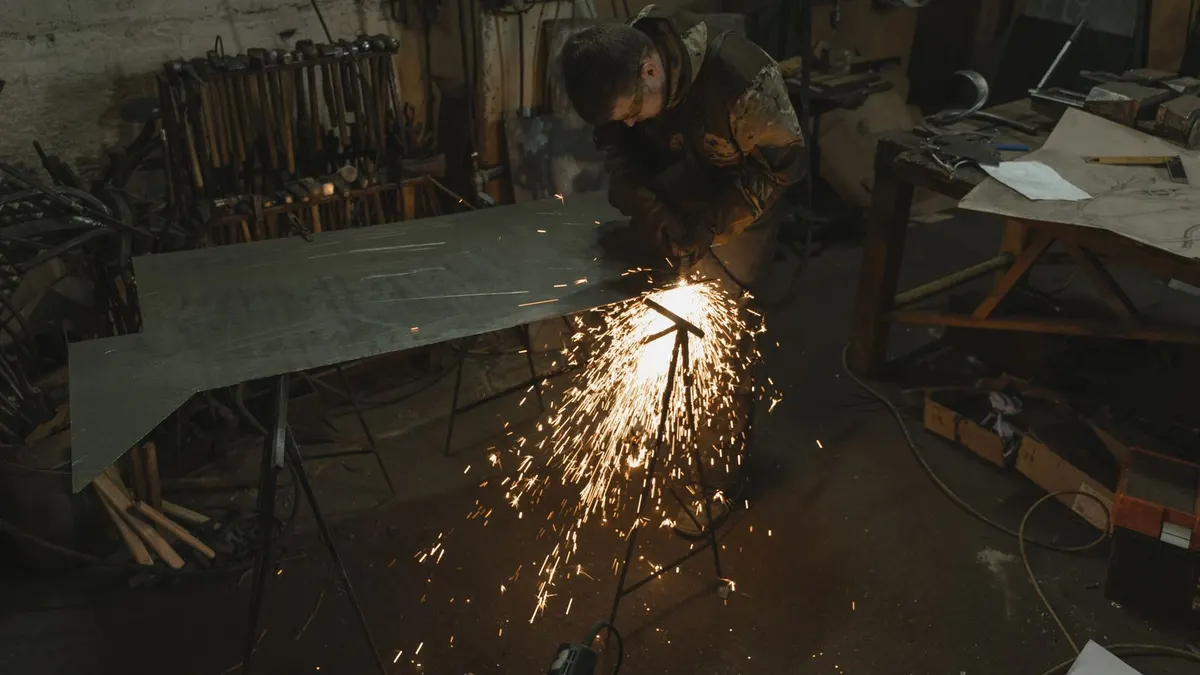
Real industry photography shows the materials, workshops and finished environments where pneumatic thin-sheet folding can support production.

Creates basic folds in thin duct panels before flange, seam and assembly operations.

Supports the edge-forming stage used to prepare rectangular ventilation duct sections.
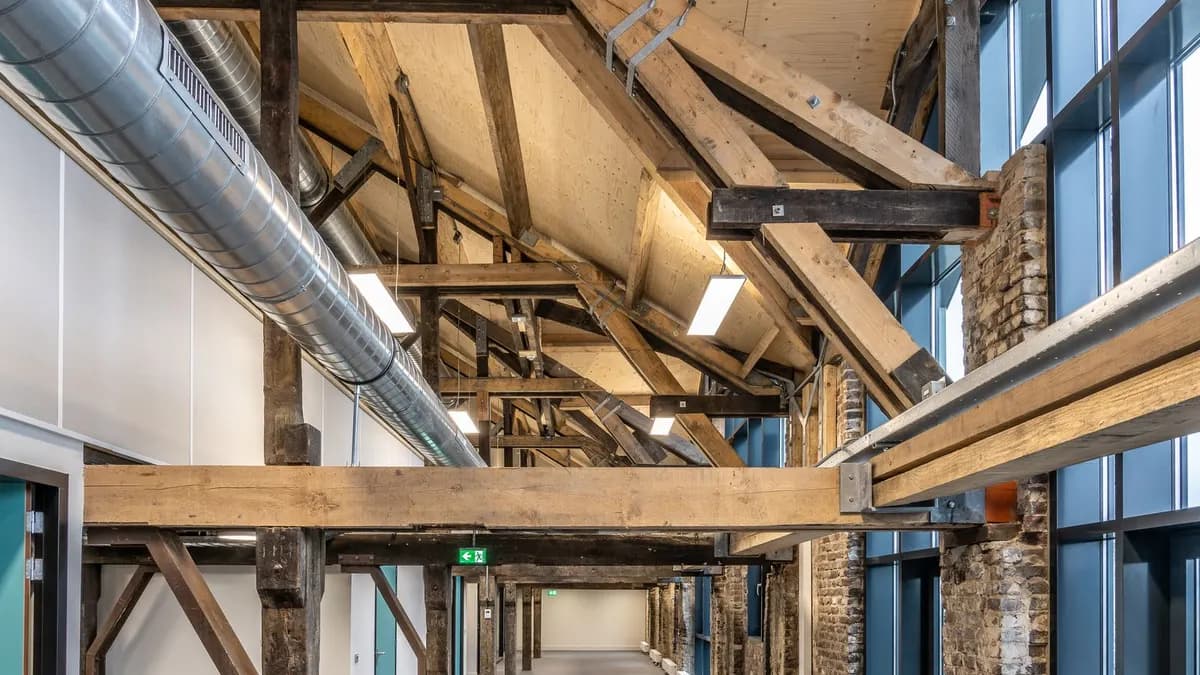
Fits workshops that combine cutting, beading, lock forming, flanging, folding and seam closing.
A practical forming method for suitable galvanized thin sheet used in ducts and light enclosures.

Handles recurring edge folds and basic forms for suitable light-gauge workshop parts.
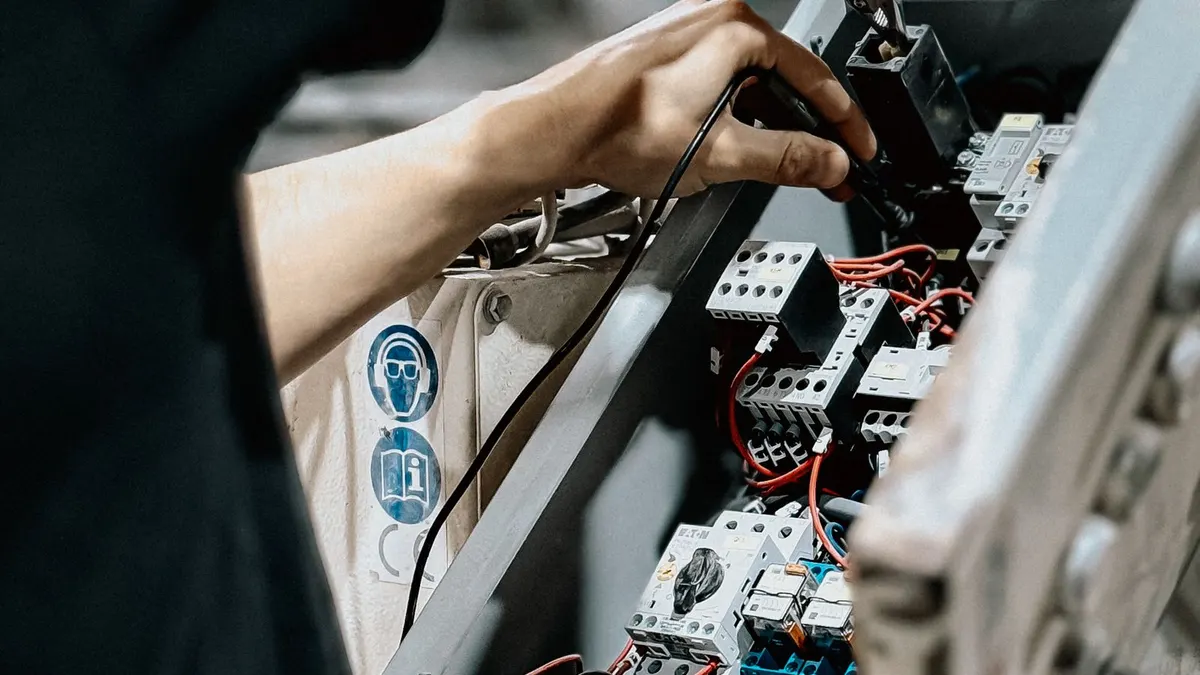
Supports suitable thin-sheet flanges and enclosure parts after capacity and material review.

Can form suitable stainless steel thin sheet when strength, thickness and folding length are confirmed together.

Useful for selected ventilation and architectural metal preparation where safe compressed-air operation is available.
Material Review
Material strength, sheet thickness, bending length and pneumatic configuration must be reviewed together.
Common for rectangular HVAC duct panels and general ventilation work.
Suitable when thickness, strength and folding length match the selected QS model.
Requires confirmation because higher material strength reduces workable thickness.
Useful for light forming after alloy, thickness and bend requirement are reviewed.
Relevant to selected enclosure, architectural trim and ventilation applications.
Match material strength, bending length and air-driven machine configuration before production.
The suitable thickness depends on material strength, bending length, air pressure and machine configuration. Please confirm your material, thickness and bending requirement before quotation.
Utility Planning
Confirm the available compressor before selecting the machine. Stable air supply is part of the production system, not an optional accessory.
01
Pneumatic folding requires a stable compressed air supply.
02
Air pressure and air volume should match the selected machine model.
03
Clean, correctly prepared compressed air helps protect the pneumatic system.
04
Before quotation, confirm whether your workshop already has an air compressor.
Process Flow
Place pneumatic folding in the correct sequence so each upstream and downstream operation supports the finished rectangular duct.
Cut the sheet to the required duct-panel size before folding.
Position the sheet according to the flange size or marked folding line.
Use pneumatic force to help clamp the sheet before the folding action.
The air-driven structure completes edge bending with less physical effort than manual operation.
Check the folding angle and adjust the work according to the required duct panel.
Continue with lock forming, flange forming, beading, seam closing or installation.
Verified Structure
01
Compressed air powers the repeated clamping and folding actions.
02
Two cylinders perform folding while two separate cylinders perform clamping.
03
The operator controls clamping, folding and releasing while keeping both hands available for sheet positioning.
04
Supports thin-sheet edge folding within a rectangular duct fabrication workflow.
05
Reduces the physical effort of recurring folds compared with purely manual operation.
06
The pneumatic drive offers a simpler utility and maintenance arrangement for workshops with suitable compressed air.
07
A practical forming station for mixed workshop production and selected site layouts.
08
Adjustable upper and lower die movements support selected box, tray and multi-sided folded parts.
Objective Selection
The right drive method depends on sheet strength, batch size, operator effort, available utilities and required forming load.
| Comparison item | Manual Folding Machine | Pneumatic Folding Machine | Electric Folding Machine | Hydraulic Folding Machine |
|---|---|---|---|---|
| Power source | Handwheel and lever operation | Compressed-air-driven clamping and folding | Motor-driven clamping and folding | Hydraulic power unit and cylinders |
| Suitable production volume | One-off and small-batch work | Repeated small-to-medium batch thin-sheet work | Repeated workshop production | Medium-to-high load and larger work |
| Operation effort | Highest direct operator effort | Air assistance reduces repeated physical effort | Motor drive reduces manual effort | Powered clamping and folding for heavier requirements |
| Folding efficiency | Practical for low-frequency and varied jobs | Well suited to recurring duct-panel folds | Stable option for daily repeated cycles | Suited to higher-load production cycles |
| Air / power requirement | No air or electrical supply required for folding | Stable compressed air is required | Matched electrical supply is required | Matched electrical supply and hydraulic system are required |
| Cost level | Lower-complexity entry level | Practical middle option where air is already available | Higher electrical and drive configuration level | Higher system and capacity level |
| Recommended use | Low-volume, mixed or site work | HVAC duct panels and medium-volume thin sheet | Repeated thin-sheet workshop folding | Larger formats, higher loads and heavier folding needs |
Connected Production
The pneumatic folding machine is not only a single machine, but also a practical supporting machine in a complete HVAC duct fabrication workflow.
Cuts the flat sheet to the required blank size.
Adds reinforcement beads to duct panels.
Forms Pittsburgh and other duct-lock profiles.
Forms integrated flange edges for rectangular duct assembly.
Folds duct-panel edges and suitable thin-sheet returns.
Closes formed seams during rectangular duct assembly.
Handles thicker sheet or applications needing press-brake tooling.
Configuration Input
Prepare these production details so the machine length, capacity and compressed-air requirement can be reviewed together.
Verified Data
The original QS model parameters are shown without changing their stored values.
| Model | Minimum Bending Angle(deg) | Bending Thickness(mm) | Bending Width(mm) | Weight(kg) | Overall Dimensions(mm) |
|---|---|---|---|---|---|
| QS-1.5 x 1000 | 60 deg | 0.3-1.5 mm | 1000 mm | 380 kg | 1650 x 680 x 1350mm |
| QS-1.5 x 1300 | 60 deg | 0.3-1.5 mm | 1300 mm | 420 kg | 1980 x 800 x 1350mm |
| QS-1.5 x 1500 | 60 deg | 0.3-1.5 mm | 1500 mm | 550 kg | 2180 x 800 x 1350mm |
| QS-1.5 x 2000 | 60 deg | 0.3-1.5 mm | 2000 mm | 620 kg | 2680 x 800 x 1350mm |
| QS-1.5 x 2500 | 60 deg | 0.3-1.5 mm | 2500 mm | 700 kg | 3180 x 800 x 1350mm |
Final specifications depend on sheet material, thickness, bending length, air pressure and selected machine configuration.
FAQ
Practical answers for air supply, capacity review and HVAC workflow planning.
It uses compressed air to assist thin-sheet clamping, duct-panel folding and edge forming. It is commonly considered for HVAC duct fabrication and light sheet-metal workshops.
Typical materials include galvanized sheet, thin mild steel, suitable stainless steel, aluminum and color steel. Actual capacity depends on material strength, thickness, folding length and machine model.
Yes. It can fold rectangular duct panels and work with shearing, lock forming, beading, TDF flange forming and seam-closing equipment.
A manual folder needs no air supply and suits simple, low-volume work. A pneumatic folder requires compressed air but reduces repeated operating effort for duct-panel and thin-sheet folding.
A pneumatic folder has a lighter air-driven structure for thin sheet and duct work. A hydraulic folder is generally selected for larger formats, higher loads or heavier folding requirements.
Yes. Confirm that the workshop has a stable compressor and that available pressure and air volume match the selected machine before quotation.
It can process suitable stainless steel thin sheet, but workable thickness is affected by material strength and must be confirmed against the selected model and bending length.
Provide material, thickness, bending length, angle, application, daily quantity, compressed-air conditions, required companion equipment and the destination country or port.
Working length, pneumatic structure and folding requirements can be reviewed for configuration. Final availability and specifications must be confirmed by the engineering team.
Next Step
Send your sheet material, thickness, bending length, air pressure and application. We will recommend a suitable pneumatic folding machine configuration for your workshop.